Regular price
$200.00 USD
Price subject to change. Tap below for current.
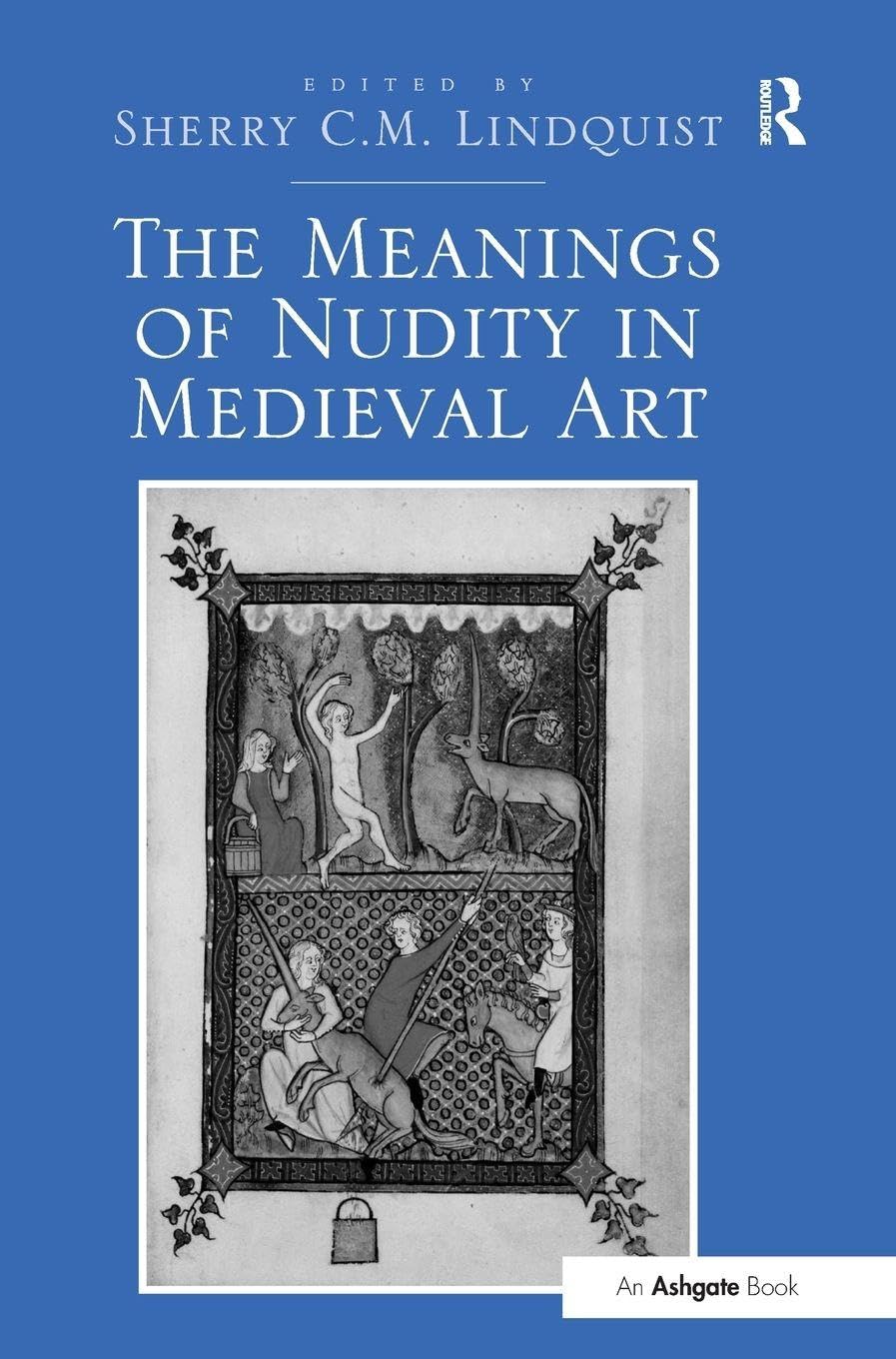
The exploration of nudity in medieval art offers a fascinating glimpse into the cultural and societal norms of the time. This book, titled The Meanings of Nudity in Medieval Art, delves into the intricate symbolism and interpretations surrounding the portrayal of the human body in various artistic forms.
Throughout history, medieval artists have used nudity not merely for aesthetic purposes but as a means to convey deeper meanings. This book examines how nudity was often intertwined with themes of purity, sin, and redemption, reflecting the complex moral landscape of the medieval period.
One of the standout features of this work is its comprehensive analysis of iconography in medieval artworks. The author meticulously dissects various pieces, providing readers with insights into how nudity was represented in religious contexts, as well as in secular art. This dual perspective enriches our understanding of the era's artistic expressions.
Moreover, the book highlights the role of gender dynamics in the representation of nudity. It discusses how male and female figures were depicted differently, often reflecting societal attitudes towards sexuality and morality. This examination is crucial for anyone interested in the intersection of art and gender studies.
In addition to its scholarly insights, The Meanings of Nudity in Medieval Art is beautifully illustrated, featuring high-quality reproductions of significant works. These visuals not only enhance the reading experience but also serve as a vital reference for art historians and enthusiasts alike.
The author, Sherry C.M. Lindquist, brings a wealth of knowledge and expertise to the subject, making this book an essential read for anyone interested in medieval art history. Her engaging writing style and thorough research make complex ideas accessible to a broad audience.
Overall, this book is a valuable contribution to the field of art history, providing a nuanced understanding of the meanings behind nudity in medieval art. It invites readers to reconsider their perceptions of the human body in art and encourages a deeper appreciation for the cultural contexts that shaped these representations.