

The Mind-Game Film - Essential Study of Hollywood Illusions
The Mind-Game Film - Essential Study of Hollywood Illusions
Price subject to change. Tap below for current.
Couldn't load pickup availability
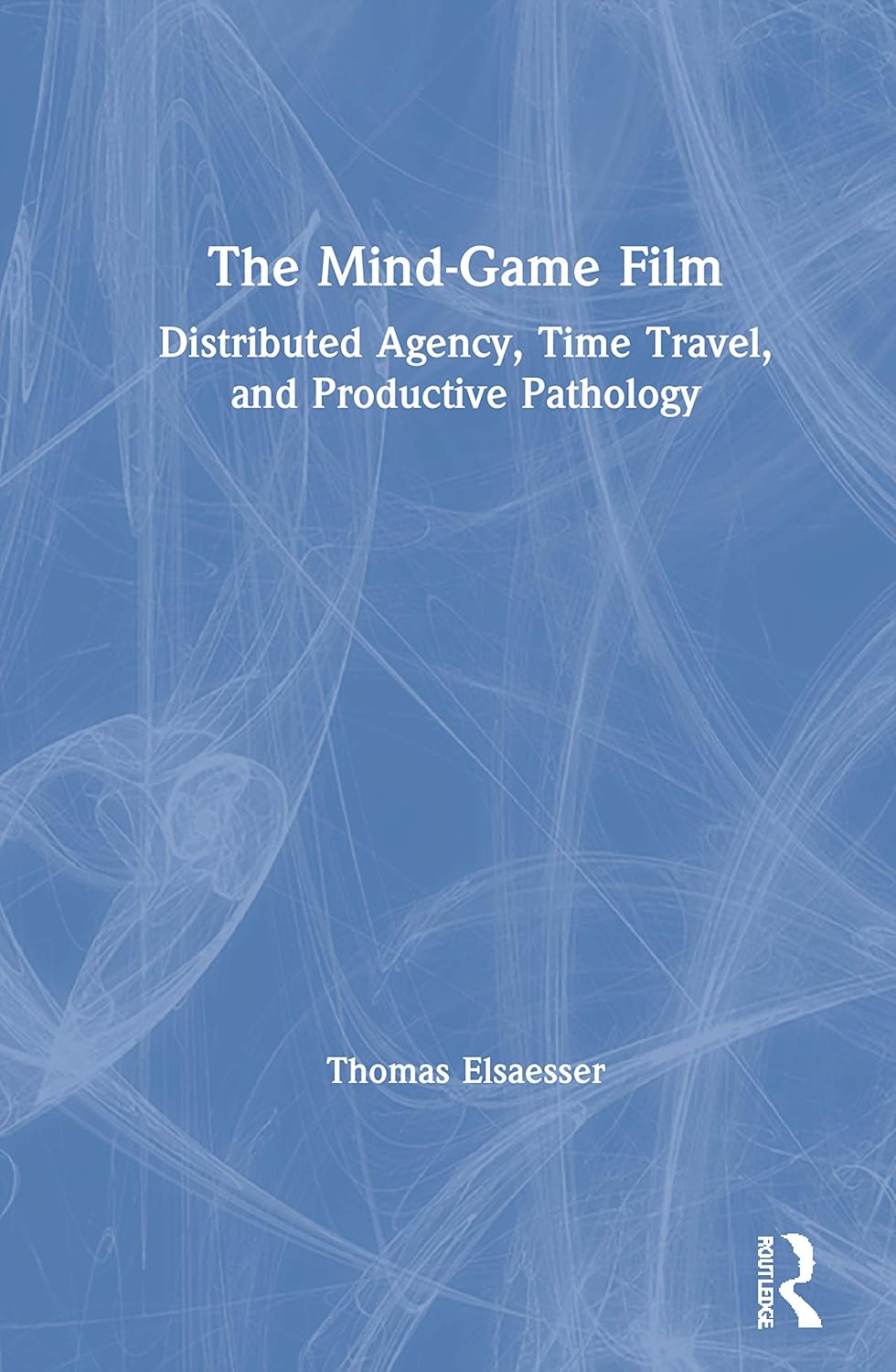
In this review of The Mind-Game Film, Thomas Elsaesser offers a rigorous, thoughtful account for readers who want to understand how Hollywood constructs cinematic puzzles. The bottom line: this is an essential, scholarly yet readable book for film students, critics, and cinephiles because it traces the industrial, institutional, and philosophical forces that shape mind-game storytelling and shows how familiar titles like Minority Report and Mulholland Drive do more than entertain-they test the audience's perception of reality. Elsaesser's analysis maps historical continuities and adaptations rather than merely cataloging tropes.
Key Features
- Comprehensive analysis: Elsaesser connects individual films to broader industrial and institutional forces, helping readers see why mind-game films emerge from Hollywood conditions.
- Philosophic horizon: The book situates American cinema within a wider philosophical framework, making complex ideas accessible for applied film study.
- Film examples: Close readings of titles such as Minority Report, Mulholland Drive, Source Code, and Back to the Future illustrate theoretical points with concrete scenes.
- Historical perspective: The author demonstrates how the Persistence of Hollywood adapts over time, showing continuities and revisions across decades of film practice.
- Critical clarity: Elsaesser balances passionate argument with institutional context, which benefits readers seeking both interpretation and explanation.
Who It's For
The Mind-Game Film is best for film students, scholars, and thoughtful viewers who want a rigorous explanation of how mind-game films function and why they persist within Hollywood. Those studying film theory, industry history, or genre evolution will find Elsaesser's mapping of institutional constraints particularly useful.
Casual readers looking for a light overview or a plot-driven companion guide may prefer a shorter, less academic book; this volume assumes interest in both theoretical framing and close textual analysis rather than simple film summaries.
Pros & Cons
Pros
- Sharp integration of industry context and film analysis makes the book valuable for academic study.
- Use of well-known films as examples helps readers connect theory to familiar scenes and narratives.
- Clear argument about the Persistence of Hollywood offers a long-view perspective rather than isolated readings.
Cons
- The book's scholarly tone and dense argumentation may feel heavy for readers seeking casual entertainment reading.
Specifications
| Title | The Mind-Game Film |
| Author | Thomas Elsaesser |
| Subject focus | Hollywood mind-game films and industry context |
| Example films discussed | Minority Report, Mulholland Drive, Source Code, Back to the Future |
| Approach | Theoretical analysis with institutional and historical mapping |
| Audience | Film students, critics, and scholars |
Our Verdict
The Mind-Game Film is a rewarding purchase for readers who want a sustained, context-aware study of how Hollywood crafts reality-challenging narratives. Elsaesser's blend of philosophical framing and industrial analysis makes it good value for students and critics who need a thorough, intellectually grounded guide to mind-game cinema.
Frequently Asked Questions
Does this book discuss specific films in detail?
Yes; Elsaesser uses films like Minority Report, Mulholland Drive, Source Code, and Back to the Future as case studies to illustrate his arguments.
Is the writing accessible to non-academics?
The book is readable but has a scholarly tone, so readers without background in film theory may find some sections dense.
Who benefits most from this book?
Film students, critics, and cinephiles interested in the intersection of industry practices and narrative form will get the most from it.
Editor's Take
The Mind-Game Film is a rewarding, context-aware study that links Hollywood industry forces to mind-game narratives; ideal for film students and critics seeking rigorous analysis.

Recently viewed
Recently viewed products will appear here as customers browse the store.