

The Mulatta and the Politics of Race - Critical and Context
The Mulatta and the Politics of Race - Critical and Context
Price subject to change. Tap below for current.
Couldn't load pickup availability
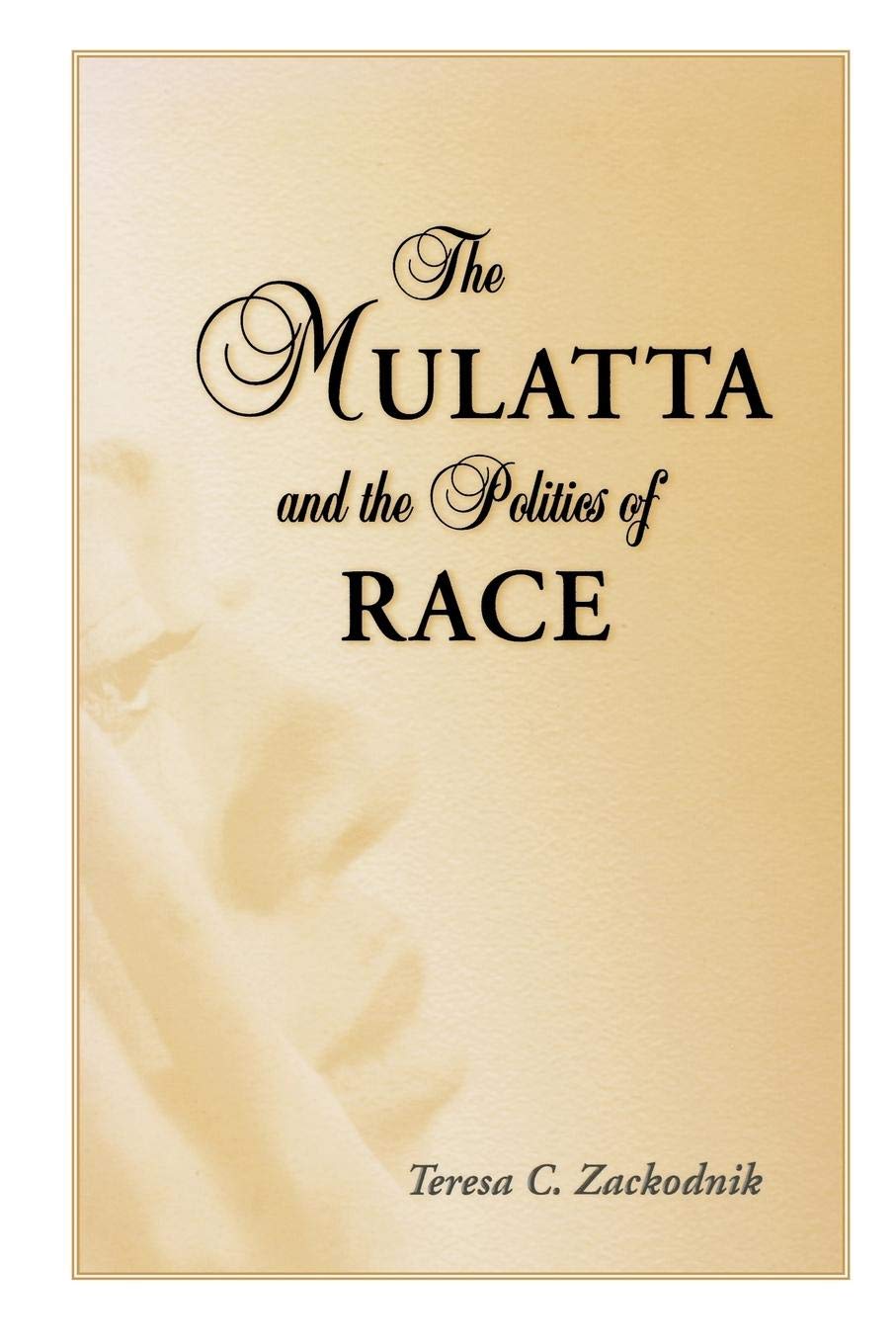
In this review of The Mulatta and the Politics of Race, the reviewer finds a focused, historically rich study that will appeal to readers interested in black womens cultural strategies and the politics of racial identity. Teresa C. Zackodnik traces how the image of the mulatta functioned as a rhetorical and political tool from the abolition era through the mid-20th century, making a persuasive case that this figure was repeatedly adapted by African American women to challenge the color line. The book is best for readers who want historical interpretation rather than broad social theory.
Key Features
- Historical scope: Covers material from the late 1840s through the 1950s, giving readers a long view of the mulatta figure in American texts and speeches.
- Focus on black womens voices: Emphasizes how African American women themselves used the mulatta image strategically in oratory and fiction to contest racial hierarchies.
- Literary and rhetorical analysis: Examines both oratory and fiction so readers see how the same image appears across genres and public contexts.
- Cultural politics lens: Treats the mulatta as a metaphor with increasing potency, helping readers understand its political uses over time.
- Case studies: Traces many key instances where the mulatta image was mobilized, offering concrete examples rather than only abstract claims.
Who It's For
This book is well suited to graduate students, scholars, and informed general readers interested in African American literature, gender studies, and the history of racial representation. Readers looking for close readings of speeches and fiction will appreciate the attention to specific moments and rhetorical moves.
Those seeking a broad survey of civil rights-era activism or a textbook-style chronology of events should look elsewhere; this is an interpretive study centered on the cultural work of a single, powerful image rather than a comprehensive political history.
Pros & Cons
Pros
- Provides a sustained, original argument about the mulatta as a political metaphor across a century of texts.
- Highlights the agency of African American women in shaping racial discourse, filling a gap in some literary histories.
- Combines literary close reading with cultural and rhetorical analysis for a layered approach.
Cons
- The narrow focus on the mulatta image means readers expecting broad institutional history may find the scope limited.
Specifications
| Title | The Mulatta and the Politics of Race |
| Author | Teresa C. Zackodnik |
| Historical range | Late 1840s through the 1950s |
| Main subjects | Race, gender, literature, rhetoric |
| Genres covered | Oratory and fiction |
| Approach | Cultural and rhetorical analysis |
Our Verdict
For readers focused on African American literary history and the politics of representation, this study offers clear value: it illuminates how a single image was repeatedly adapted to contest racial boundaries. Its interpretive depth and grounding in speeches and fiction make it a worthwhile purchase for specialists and serious readers wanting focused, historically informed analysis.
Frequently Asked Questions
Does the book cover both literature and speech?
Yes. Zackodnik examines the mulatta figure in both oratory and fiction across the stated historical period.
Is this a general history of racial politics?
No. The book centers on the mulatta as a cultural and rhetorical figure rather than providing a full political chronology.
Who authored the study?
The book is written by Teresa C. Zackodnik, who traces the mulattas use from abolition to the 1950s.
Editor's Take
This focused study shows how African American women used the mulatta image as a political and rhetorical tool from the 1840s to the 1950s, offering valuable interpretive depth for scholars and serious readers.

Recently viewed
Recently viewed products will appear here as customers browse the store.