

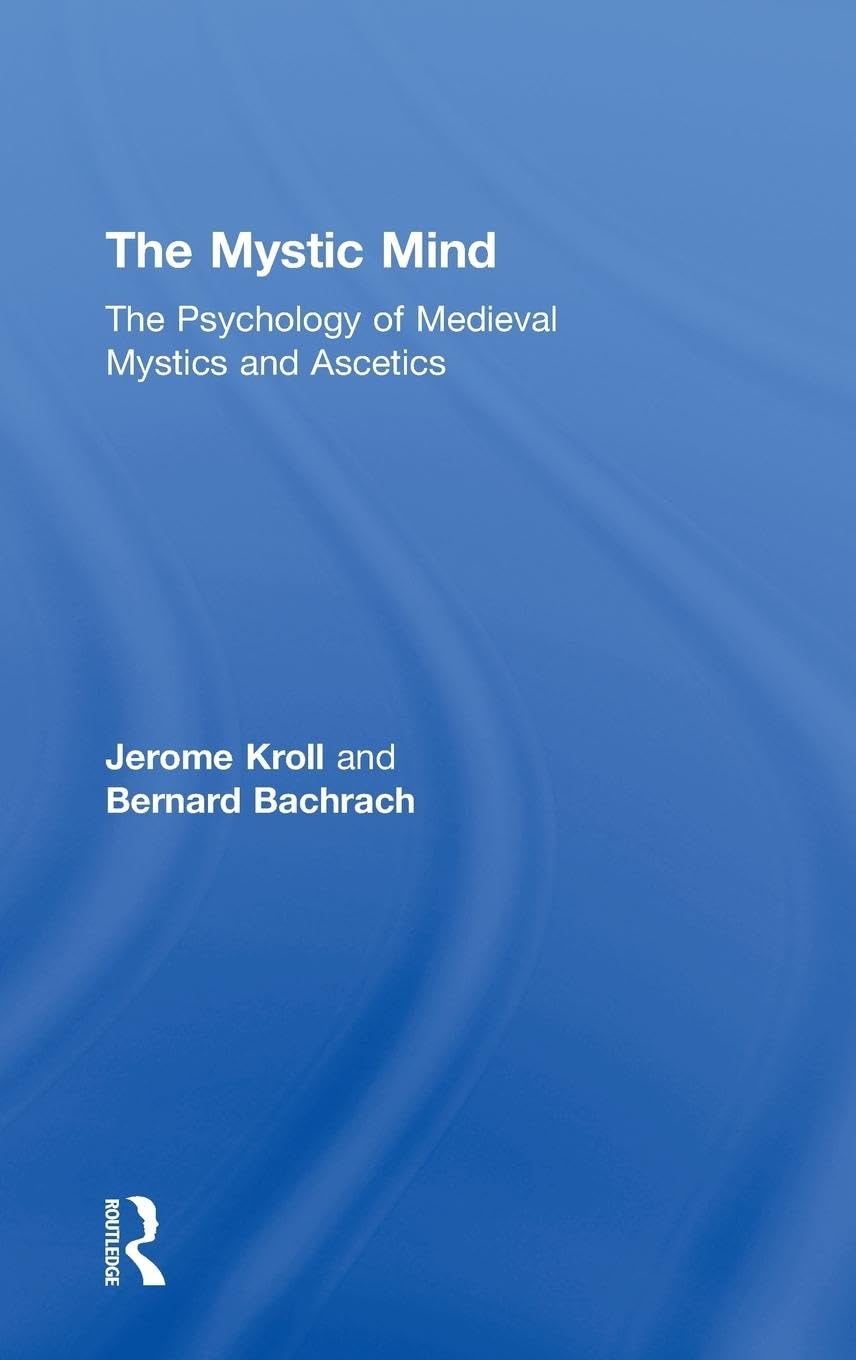
The Mystic Mind: The Psychology of Medieval Mystics and Ascetics
The Mystic Mind: The Psychology of Medieval Mystics and Ascetics
Price subject to change. Tap below for current.
Couldn't load pickup availability
In this review of The Mystic Mind a medieval historian and a professor of psychiatry team up to explore why and how medieval mystics entered altered states of consciousness. The bottom line: this book is for readers who want a scholarly yet accessible analysis that applies modern psychological and biological research to historical religious practice. It is strongest as a cross-disciplinary study that uses a large database and case studies to connect practices like sleep deprivation and fasting to changes in brain function.
Key Features
- Interdisciplinary approach: Combines historical scholarship and psychiatric insight to interpret mystical experiences with contemporary scientific frameworks, making complex ideas approachable.
- Extensive database: Draws upon over 1,400 medieval holy persons, giving arguments a broad empirical base rather than relying solely on anecdote.
- Detailed case studies: In-depth studies of individual saints illustrate how specific practices such as mortification and laceration influenced subjective experience.
- Focus on physiology: Explores how behaviors like sleep deprivation and extreme starvation relate to altered brain states, linking behavior and biology.
- Critical of simple explanations: Examines and disputes political and gender-only interpretations of mysticism, offering a more nuanced view.
Who It's For
The Mystic Mind is best suited to readers with an interest in medieval history, religious studies, or the psychology of religious experience who appreciate careful evidence and interdisciplinary argument. Graduate students, clergy, and informed general readers will find the blend of database-driven analysis and close saintly biographies especially rewarding.
Those looking for a devotional or purely spiritual guidebook should look elsewhere; this is an analytical study rather than an inspirational manual. Likewise, readers seeking a lightweight popular history will find the book more rigorous and academic than a general-interest overview.
Pros & Cons
Pros
- Provides a rare synthesis of historical and psychiatric perspectives that enriches understanding of medieval mysticism.
- Large sample size of over 1,400 subjects lends weight to its general conclusions about ascetic practices.
- Concrete case studies help readers connect broad claims to individual lives and practices.
Cons
- The tone and depth may be dense for casual readers who prefer narrative history over analytic interpretation.
Specifications
| Title | The Mystic Mind: The Psychology of Medieval Mystics and Ascetics |
| Authors | Jerome Kroll, Bernard Bachrach |
| Approach | Interdisciplinary history and psychiatry |
| Source material | Database of over 1,400 medieval holy persons |
| Topics covered | Mystical experience, mortification, sleep deprivation, starvation, brain function |
| Audience | Scholars, students, informed general readers |
Our Verdict
The Mystic Mind is a thoughtful, evidence-rich study that successfully applies modern psychological and biological perspectives to medieval religious practice. Its large database and focused case studies make it a valuable purchase for anyone seeking a rigorous, interdisciplinary account of how ascetic behaviors produced altered states and shaped religious life.
Frequently Asked Questions
Does the book rely on modern science to explain mystical experiences?
Yes. The authors use contemporary biological and psychological research alongside historical data to interpret how practices affected brain function.
Is this book suitable for non-specialists?
It is accessible to informed general readers but leans academic in tone; those wanting a light read may find it dense.
What primary sources inform the study?
The analysis is based on a large database of over 1,400 medieval holy persons complemented by detailed studies of individual saints.
Editor's Take
The Mystic Mind is a thoughtful, evidence-rich interdisciplinary study that applies modern psychological and biological perspectives to medieval mysticism; its large database and case studies make it valuable for scholars and informed readers.

Recently viewed
Recently viewed products will appear here as customers browse the store.