

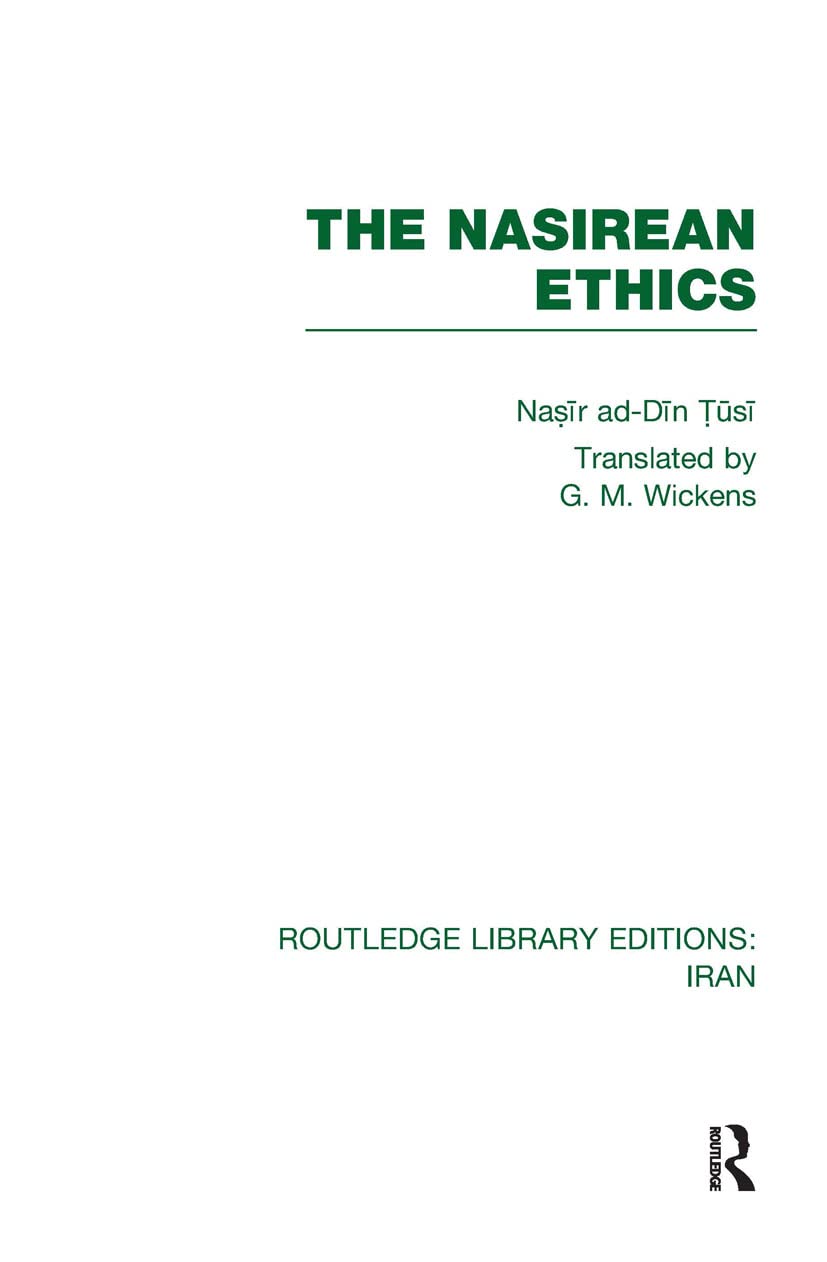
The Nasirean Ethics - Classic Medieval Persian Ethical Digest
The Nasirean Ethics - Classic Medieval Persian Ethical Digest
Price subject to change. Tap below for current.
Couldn't load pickup availability
In this review of The Nasirean Ethics the reviewer finds a significant work for readers of medieval Islamic thought and Persian intellectual history. Composed by Nasir ad Din Tusi in 633/1235, this edition collects a well-known ethical digest that addresses criteria of human behaviour at both the individual and economic level. The book is best for students, historians, and reflective readers who want a primary text authored by a leading scholar involved in the turbulent politics of his age; it is prized chiefly for its historical perspective and ethical framework rather than modern prescriptive answers.
Key Features
- Historical significance: Written by Nasir ad Din Tusi at a pivotal moment in 13th-century Islamic history, the work offers direct insight into medieval Persian intellectual life and political context.
- Ethical focus: The text concentrates on criteria of human behaviour, providing readers with a structured approach to personal conduct and social priorities.
- Authorial authority: Tusi was an established scholar and politico-religious figure, so the work carries the weight of an influential contemporary voice.
- Contextual relevance: Composed before Tusi's later political role in events such as the capture of Baghdad, the book helps explain the ideas of a participant in major historical change.
- Concise digest form: As an ethical digest, the work is compact and oriented to core principles rather than lengthy theological exposition, making it accessible to focused study.
Who It's For
The Nasirean Ethics is ideal for graduate students, historians of the Middle East, and readers interested in medieval Islamic moral philosophy. Those researching the intellectual milieu of 13th-century Persia or studying Nasir ad Din Tusi's wider corpus will find this digest an essential primary source.
It is less suited to readers seeking contemporary self-help manuals or modern applied ethics, since its value lies in historical and textual analysis rather than up-to-date practical guidance. Casual readers unfamiliar with medieval contexts may prefer an edition with fuller modern commentary or annotation.
Pros & Cons
Pros
- Authoritative primary text by a prominent medieval scholar, useful for historical research and citation.
- Clear focus on human behaviour and social priorities that illuminates medieval ethical thought.
- Concise digest format makes the core ethical teachings relatively quick to navigate.
Cons
- Limited modern commentary in the source description, so readers may need supplemental scholarly notes to fully contextualise difficult passages.
Specifications
| Title | The Nasirean Ethics |
| Author | Nasir ad Din Tusi |
| Editor/Translator | G. M. Wickens |
| First composed | 633/1235 (medieval Persia) |
| Primary focus | Ethical digest addressing individual and economic behaviour |
| Cultural context | Medieval Islamic and Persian intellectual history |
Our Verdict
The Nasirean Ethics is a high-value resource for historians and students of medieval Islamic thought, offering an authoritative ethical digest by a major 13th-century scholar. Purchase it for primary-source study and historical insight; those needing modern application or detailed commentary should pair it with scholarly notes or an annotated edition.
Frequently Asked Questions
Is this a primary source or a modern interpretation?
The work is a primary ethical digest authored by Nasir ad Din Tusi, presented here with editorial input by G. M. Wickens rather than as a contemporary reworking.
What period and region does the book illuminate?
It illuminates 13th-century Persia and the wider medieval Islamic intellectual and political context around 633/1235.
Who benefits most from this edition?
Graduate students, scholars of Middle Eastern history, and readers studying medieval moral philosophy will derive the most benefit.
Editor's Take
The Nasirean Ethics is a valuable primary-source ethical digest by Nasir ad Din Tusi, recommended for scholars and students of medieval Persian and Islamic thought who seek historical insight rather than modern applied guidance.

Recently viewed
Recently viewed products will appear here as customers browse the store.