

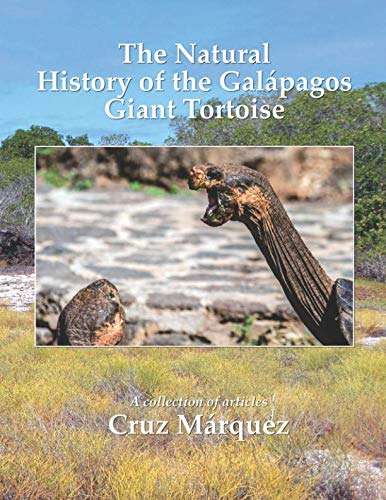
The Natural History of the Galapagos Giant Tortoise - Illustrated
The Natural History of the Galapagos Giant Tortoise - Illustrated
Price subject to change. Tap below for current.
Couldn't load pickup availability
In this review of The Natural History of the Galapagos Giant Tortoise, the reviewer finds a deep, research-driven volume best suited for readers who want a thorough natural history rather than a short field guide. Compiled by Cruz Marquez from over 40 years of study, the book's biggest strength is its combination of long-term scientific insight and abundant color illustration, which together make complex conservation history accessible. The review focuses on how the book serves scientists, students, and naturalist guides seeking historical context and photographic reference.
Key Features
- Historical depth: Forty years of research provide a long-term perspective on population changes and human impacts, helping readers understand why conservation priorities shifted over time.
- Extensive illustrations: Over 100 color illustrations offer visual reference for shell shapes, habitats and historical scenes, which is useful for identification and teaching.
- Conservation narrative: Detailed accounts of exploitation and recovery highlight the role of scientists and National Park staff, making the book a resource for conservation managers.
- Island-focused coverage: Discussion of tortoise establishment on multiple islands explains geographic variation and how different populations adapted to local conditions.
- Educational value: The book compiles material suitable for students and naturalist guides needing an illustrated, research-based reference rather than a brief overview.
Who It's For
The Natural History of the Galapagos Giant Tortoise is aimed at scientists, conservation managers, university students and naturalist guides who need an illustrated, research-oriented reference that covers long-term trends and human impacts. Readers who appreciate primary-field insights and historical context will get the most from Cruz Marquez's decades of study.
It is less suited to casual travelers or those who want a slim, portable field guide for quick identification in the field; such readers should look for pocket guides or species checklists. Photographers seeking a pictorial coffee-table book might also find the treatment more scientific than glossy visual showcase.
Pros & Cons
Pros
- Well documented history and long-term research make it a valuable reference for conservation work.
- Over 100 color illustrations enhance understanding of morphology and habitat differences across islands.
- Clear accounts of threats and recovery efforts provide practical context for managers and educators.
Cons
- The text is research-focused and may feel too detailed for casual readers seeking a simple field guide.
Specifications
| Title | The Natural History of the Galapagos Giant Tortoise |
| Author | Cruz Marquez |
| Illustrations | Over 100 color illustrations |
| Research span | Compiled from over 40 years of research |
| Subject focus | Natural history, conservation and island variation |
| Intended audience | Scientists, students, naturalist guides, conservation managers |
Our Verdict
The Natural History of the Galapagos Giant Tortoise is a substantial, well-illustrated reference that pays off for readers who need historical depth and conservation context. Cruz Marquez's decades of investigation and the large number of color illustrations make it good value for academics, field biologists and guides who will use it as a working resource rather than a casual read.
Frequently Asked Questions
Does this book include photographs and illustrations?
Yes, the volume includes over 100 color illustrations intended to support identification and illustrate habitat and historical scenes.
Who compiled the research?
The book is compiled from more than 40 years of research by Cruz Marquez, drawing on field study and conservation work.
Is this a field guide for casual visitors?
No, it is a research-oriented natural history and conservation reference rather than a concise pocket field guide for tourists.
Editor's Take
A research-rich, well-illustrated reference by Cruz Marquez that offers long-term natural history and conservation context; ideal for scientists, students and guides who need depth rather than a pocket field guide.

Recently viewed
Recently viewed products will appear here as customers browse the store.