

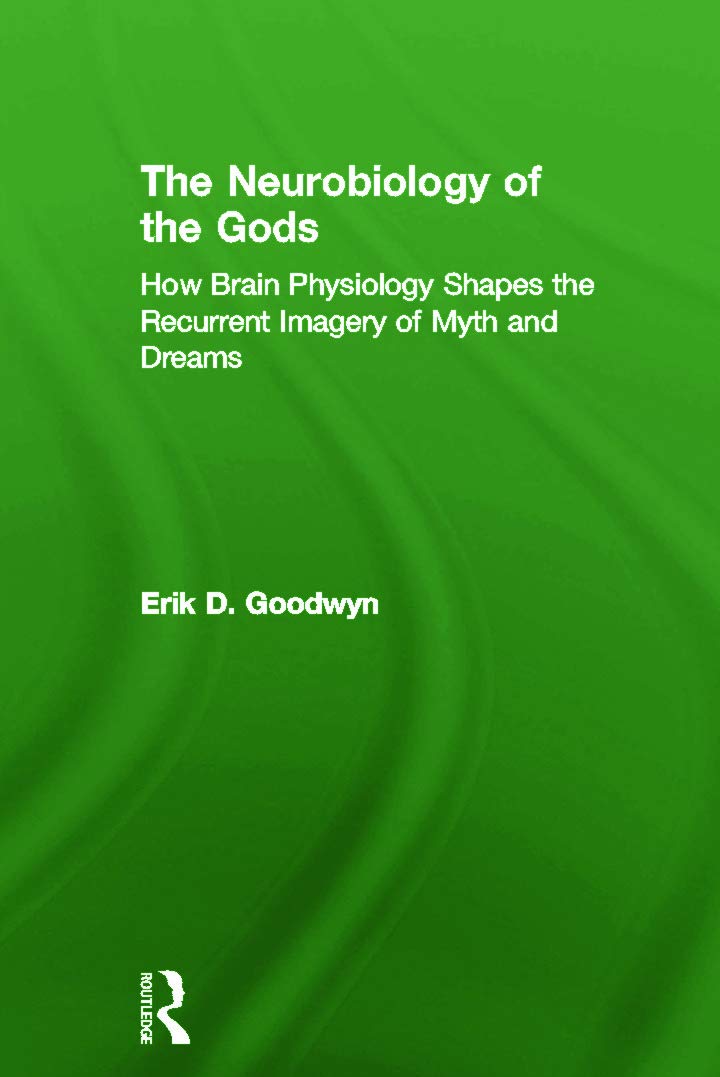
The Neurobiology of the Gods - How Brain Physiology Shapes Myth
The Neurobiology of the Gods - How Brain Physiology Shapes Myth
Price subject to change. Tap below for current.
Couldn't load pickup availability
In this review of The Neurobiology of the Gods, the bottom line is clear: readers interested in the intersection of psychology, neuroscience, and religious imagery will find a thoughtful, research-rich exploration that links dream and mythic symbolism to brain physiology. Erik D. Goodwyn presents a synthesis of decades of work that neither reduces spiritual experience to mere biology nor sacralizes it beyond explanation; instead, the book argues persuasively that deep brain structures help generate recurrent symbolic imagery. This review focuses on the book's value for scholars, clinicians, and curious lay readers.
Key Features
- Interdisciplinary synthesis: The book brings together Jungian depth psychology, evolutionary psychology, cognitive science, and neuroscience to form a coherent model of symbolic imagery.
- Focus on brain physiology: Detailed discussion of deep brain mechanisms gives readers a concrete neurobiological grounding for recurring mythic and dream images.
- Scholarly but accessible tone: Goodwyn writes for both professionals and informed lay readers, making complex ideas intelligible without oversimplifying.
- Scope of evidence: Decades of research, including neuroanatomy and dream studies, are reviewed to support the central thesis about emotional imagery.
- Respectful treatment of symbolism: The author preserves the power and mystery of religious images while offering scientific explanations that enhance rather than dismiss their significance.
Who It's For
The Neurobiology of the Gods is best suited to readers with some background or strong interest in psychology, neuroscience, or comparative religion; clinicians, researchers, and graduate students will appreciate the interdisciplinary references and the integration of Jungian ideas with modern brain science. For those who relish careful argument and academic citation, the book offers a rich, thought-provoking read.
Readers seeking a quick intro to religion or a purely devotional treatment should look elsewhere, as the book is analytical and densely referenced rather than devotional or simplified popular science. Those wanting practical self-help guidance will also find the emphasis is explanatory and theoretical rather than instructional.
Pros & Cons
Pros
- Well-synthesized interdisciplinary perspective that clarifies how brain physiology can shape mythic imagery.
- Balances scientific explanation with respect for symbolic power, making it intellectually generous and humble.
- Accessible writing for an academic topic, allowing non-specialists to follow complex arguments.
Cons
- The density of references and scholarly scope may feel heavy to casual readers looking for lighter fare.
- At least one reader found parts of the index and organization less helpful for quick lookup, which can slow targeted research.
Specifications
| Title | The Neurobiology of the Gods: How Brain Physiology Shapes the Recurrent Imagery of Myth and Dreams |
| Author | Erik D. Goodwyn |
| Subject areas | Jungian depth psychology, neuroscience, evolutionary psychology, dream research |
| Approach | Interdisciplinary literature review and theoretical synthesis |
| Intended audience | Scholars, clinicians, advanced students, informed lay readers |
| Tone | Scholarly yet accessible |
Our Verdict
The Neurobiology of the Gods is a rewarding read for anyone seeking a rigorous, interdisciplinary account of how brain physiology can give rise to recurring mythic and dream imagery. Its synthesis of Jungian thought with contemporary neuroscience provides good value for scholars and thoughtful readers who want depth rather than quick answers.
Frequently Asked Questions
Does the book dismiss spiritual experiences as just biology?
Not at all; the author explains how neurobiology can account for imagery while preserving the emotional and symbolic significance of spiritual experiences.
Is this book technical or readable for non-specialists?
The book is scholarly but written in an accessible way that informed lay readers can follow, though it is denser than popular introductions.
What disciplines does the author draw on?
Goodwyn integrates Jungian depth psychology, evolutionary psychology, neuroscience, cognitive science, and dream research to support his arguments.
Editor's Take
The Neurobiology of the Gods offers a rigorous interdisciplinary synthesis showing how deep brain physiology contributes to recurring mythic and dream imagery; recommended for scholars and thoughtful readers seeking depth and careful argument.

Recently viewed
Recently viewed products will appear here as customers browse the store.