

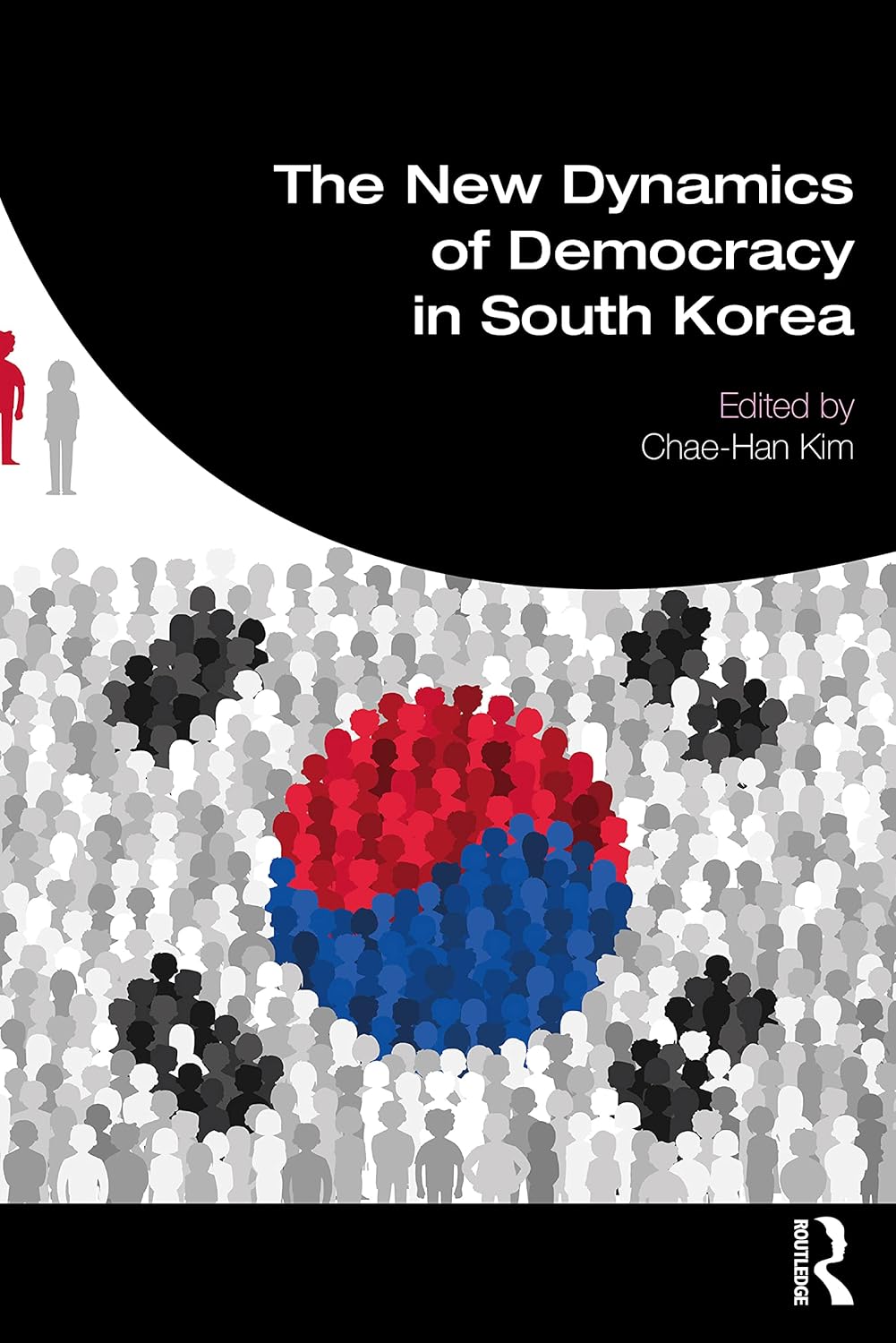
The New Dynamics of Democracy in South Korea - Scholarly Textbook
The New Dynamics of Democracy in South Korea - Scholarly Textbook
Price subject to change. Tap below for current.
Couldn't load pickup availability
In this review of The New Dynamics of Democracy in South Korea, the bottom line is clear: this textbook is best for readers seeking a thematic, expert-led introduction to contemporary South Korean politics. Its single biggest reason to buy is that each chapter is written by a leading Korean specialist, offering focused insight into important developments such as the 2016-2017 candlelight protests and their aftereffects. The book's approach makes it valuable for students, instructors and general readers who want a systematic, nuanced overview rather than a simple timeline of events.
Key Features
- Thematic chapters: Each chapter concentrates on a distinct element of South Korean politics, helping readers grasp complex topics in manageable segments.
- Expert contributors: Chapters are written by leading Korean scholars, providing informed perspectives grounded in local expertise.
- Contemporary focus: The text pays particular attention to recent events, including the 2016-2017 candlelight protests and the ousting of Park Geun-hye, which illuminates current democratic dynamics.
- Comparative usefulness: By addressing themes like party instability and the role of the president, the book aids comparative work on democracy and governance.
- Accessible structure: A textbook format and thematic organization make it suitable for course adoption and self-study alike.
Who It's For
This book is ideal for undergraduate and graduate students in political science, instructors assembling course reading on East Asian politics, and informed readers seeking a structured entry to South Korean democratic change. The chapter-by-chapter expert format supports classroom discussion and assigned readings.
Readers who want a brief popular narrative or a purely chronological history may prefer a different title; this volume emphasizes thematic analysis and scholarly perspectives rather than a simple story-driven account.
Pros & Cons
Pros
- Well-organized thematic chapters make complex topics easier to digest for study and teaching.
- Contributions from leading Korean experts bring authoritative, locally grounded analysis.
- Strong contemporary coverage ties democratic theory to recent events like the candlelight protests.
Cons
- The academic focus and thematic approach may be dense for casual readers seeking a popular history.
Specifications
| Title | The New Dynamics of Democracy in South Korea |
| Author / Editor | Chae-Han Kim |
| Subject | South Korean politics and democracy |
| Key topics | Intergenerational differences; party system instability; presidential role; 2016 demonstrations |
| Approach | Thematic chapters by Korean experts |
| Intended audience | Students, instructors, and readers of political science |
Our Verdict
The New Dynamics of Democracy in South Korea is a valuable, well-structured textbook for anyone studying modern Korean politics; its expert-authored, thematic chapters connect contemporary events to broader democratic questions, making it good value for students and instructors who need a nuanced, classroom-ready resource.
Frequently Asked Questions
Does this book cover recent events like the 2016-2017 protests?
Yes, the book discusses the 2016-2017 candlelight protests and their impact on South Korean democracy.
Is it suitable for undergraduate courses?
Yes, the textbook format and thematic chapters are well suited for undergraduate and graduate courses in politics.
Who wrote the chapters?
Each chapter is authored by a leading Korean expert on the specific topic covered.
Editor's Take
A well-structured, expert-authored textbook that links recent events such as the 2016-2017 protests to broader democratic themes; ideal for students and instructors seeking a nuanced introduction to South Korean politics.

Recently viewed
Recently viewed products will appear here as customers browse the store.