

The New Human in Literature: Posthuman Visions of Change
The New Human in Literature: Posthuman Visions of Change
Price subject to change. Tap below for current.
Couldn't load pickup availability
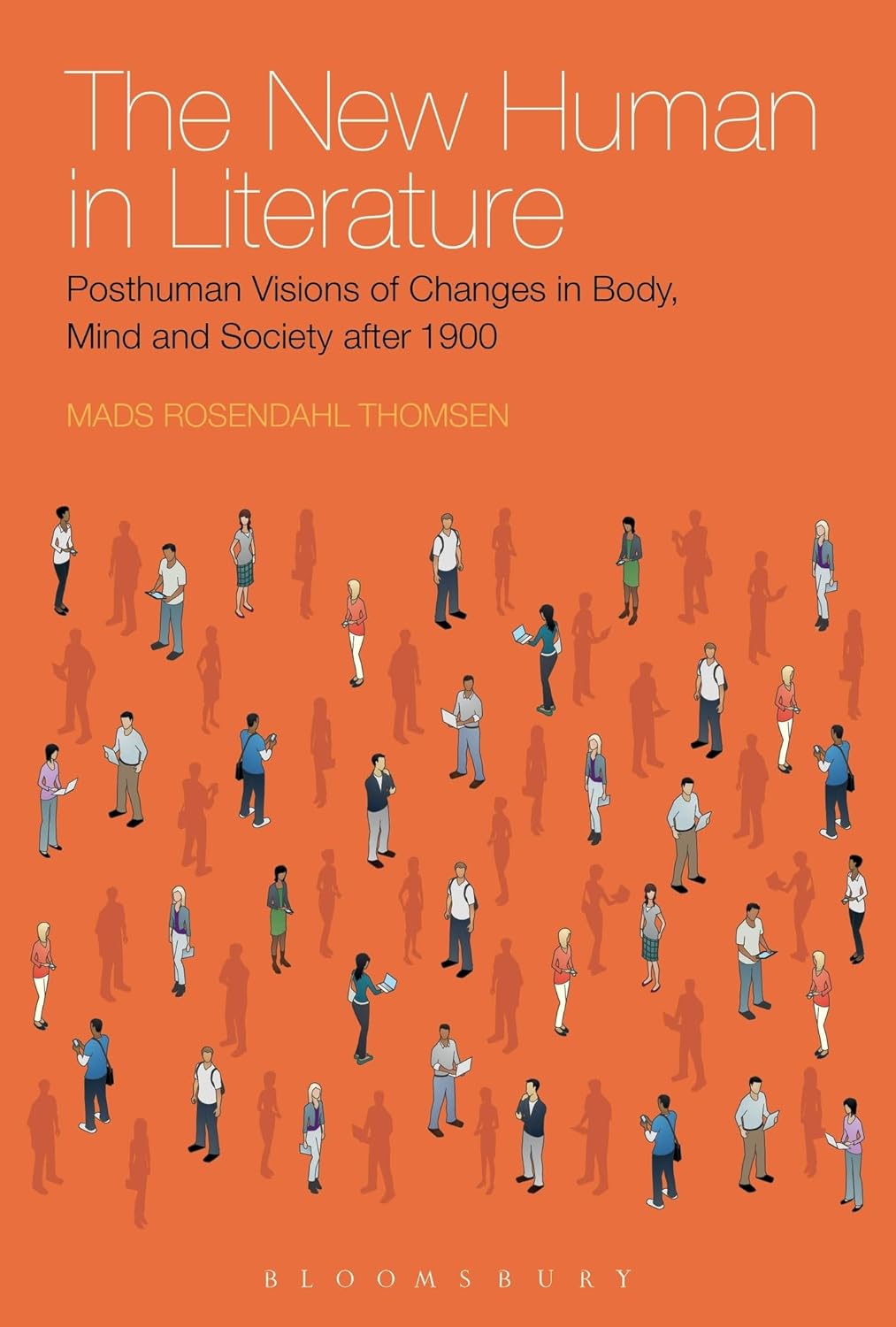
Our review of The New Human in Literature: Posthuman Visions of Changes in Body, Mind and Society after 1900 finds a thoughtful, historically grounded study best suited to readers who want a serious survey of twentieth-century literary shifts. Mads Rosendahl Thomsen offers a clear argument about how literature both records and creates visions of the new human, making this book valuable for students and scholars seeking a concise intellectual throughline rather than a narrow close reading of single texts. The review highlights the book's thematic sweep and theoretical frame as the single biggest reason to buy.
Key Features
- Historical overview: Traces major twentieth-century authors to show how ideas about the mind, body and society evolved across literary movements.
- Theoretical grounding: Uses Niklas Luhmann's systems theory to provide a coherent framework that helps readers interpret diverse works as part of a larger cultural transformation.
- Canonical examples: Engages writers like Virginia Woolf and Williams Carlos Williams to illustrate changes in representations of consciousness and interiority.
- Global perspective: Discusses authors such as Chinua Achebe, Mo Yan and Orhan Pamuk to connect literary innovation with social and political concepts of human change.
- Contemporary reach: Concludes with science fiction and authors like Don DeLillo and Michel Houellebecq to show how biotechnology and posthuman ideas enter literature.
Who It's For
This book is for graduate students, instructors and intellectually curious readers who want a synthetic account of how literature after 1900 reshaped conceptions of humanity. It works well as a companion text in seminars on modernism, postcolonial literature or literary theory because it deliberately moves between mind, body and society.
Readers seeking close, chapter-by-chapter textual analysis of a single author or those looking for a popular, light introduction to posthumanism should look elsewhere; this study assumes some familiarity with literary history and theoretical terms and privileges comparative, historical argument over exhaustive textual explication.
Pros & Cons
Pros
- Wide chronological and thematic scope lets readers see patterns across modernist and contemporary literature.
- The use of Luhmann's theory gives an uncommon, disciplined framework for connecting diverse authors and periods.
- Inclusion of non-Western and contemporary authors broadens the conversation beyond familiar modernist canons.
- Clear prose and structured argument make complex ideas accessible to graduate-level readers.
Cons
- Not a substitute for detailed close reading; some readers may find the comparative sweep leaves individual texts underexamined.
Specifications
| Title | The New Human in Literature: Posthuman Visions of Changes in Body, Mind and Society after 1900 |
| Author | Mads Rosendahl Thomsen |
| Scope | Twentieth-century literature to contemporary science fiction |
| Theoretical Frame | Niklas Luhmann's systems theory |
| Representative Authors | Virginia Woolf, Williams Carlos Williams, Louis-Ferdinand Celine, Chinua Achebe, Mo Yan, Orhan Pamuk, Don DeLillo, Michel Houellebecq |
| Topics | Mind, body, society; posthuman and biotechnology themes |
Our Verdict
The New Human in Literature is a focused, well-argued study for readers who want a comparative, theory-informed account of how twentieth-century and contemporary literature reconceived humanity. It is good value for students and teachers seeking a concise synthetic text that connects canonical modernists to postcolonial and science fiction treatments of the new human.
Frequently Asked Questions
Does this book rely on specialized theory?
The study is explicitly grounded in Niklas Luhmann's theory, but the author explains the framework enough for readers familiar with literary criticism to follow.
Which authors are covered?
The book covers a range from modernists like Virginia Woolf and Williams Carlos Williams to writers such as Chinua Achebe, Mo Yan, Orhan Pamuk, and later figures like Don DeLillo and Michel Houellebecq.
Is this a close-reading volume?
No; it is a historical and comparative overview that prioritizes thematic and theoretical connections over exhaustive textual analysis of single works.
Editor's Take
A focused, comparative study that uses Luhmann's theory to show how twentieth-century and contemporary literature reconceived humanity; recommended for students and instructors seeking a concise, synthetic account.

Recently viewed
Recently viewed products will appear here as customers browse the store.