

The Nourishing Traditions Cookbook for Children - Teaching Kids
The Nourishing Traditions Cookbook for Children - Teaching Kids
Price subject to change. Tap below for current.
Couldn't load pickup availability
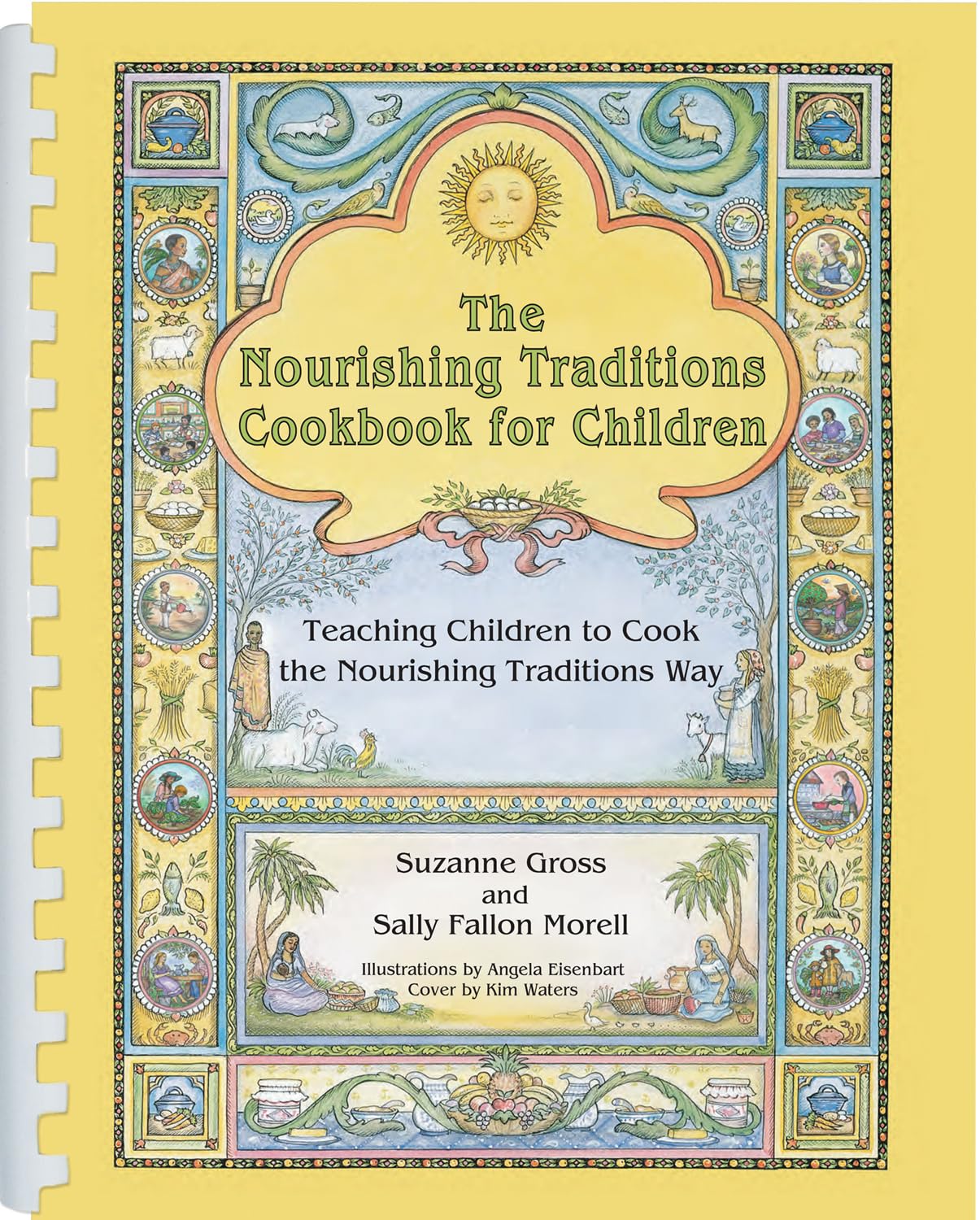
In this review of The Nourishing Traditions Cookbook for Children, the bottom line is simple: this is a practical, illustrated guide that teaches children the basics of real-food cooking while explaining why traditional ingredients matter. Aimed at parents, teachers, and caregivers who want to introduce children to whole foods, the book's single biggest strength is the clear, step-by-step approach to recipes and food philosophy that makes concepts like bone broths, lacto-fermentation, and the benefits of eggs and butter accessible to young cooks.
Key Features
- Illustrated instruction: Beautiful, child-friendly illustrations walk young readers through basic cooking techniques and recipe steps so they can follow along with confidence.
- Real-food focus: The book explains the benefits of traditional ingredients such as eggs, butter, bone broths, and organ meats, helping families prioritize nutrient-dense meals.
- Step-by-step recipes: Recipes are written in a straightforward way that makes snacks, breakfasts, lunches and desserts approachable for children and beginners.
- Food philosophy for families: Accessible explanations of seasonal eating and food traditions give parents talking points for teaching long-term habits rather than short-term trends.
- Wide recipe variety: The collection includes original recipes across categories so children can practice baking, cooking, and simple preserved foods like lacto-fermented items.
Who It's For
This book is best for families who want to teach children practical cooking skills while emphasizing whole, nutrient-dense foods and traditional cooking methods. It works well for homeschoolers, parent-child cooking sessions, and classroom activities where a simple but principled approach to food is desired. Parents looking for an introduction to real food will find the book especially helpful.
Those who prefer strictly modern, convenience-focused recipes or who want highly technical culinary instruction should look elsewhere; this book prioritizes foundational food philosophies and child-friendly recipes rather than gourmet technique or quick-serve convenience meals.
Pros & Cons
Pros
- Clear, illustrated steps that make cooking approachable for children and beginners.
- Focus on nutrient-dense, traditional foods that supports a long-term food philosophy.
- Varied recipe selection including snacks, breakfasts, lunches, desserts, and fermentation projects.
Cons
- Emphasis on traditional ingredients and organ meats may not match every family's dietary preferences.
Specifications
| Title | The Nourishing Traditions Cookbook for Children |
| Primary authors | Suzanne Gross, Sally Fallon Morell, Angela Eisenbart, Kim Waters |
| Focus | Teaching children to cook using traditional, nutrient-dense foods |
| Content highlights | Recipes, illustrations, explanations of eggs, butter, bone broths, lacto-fermentation, organ meats |
| Audience | Children, parents, caregivers, homeschoolers |
| Recipe types | Snacks, desserts, baked goods, lunches, breakfasts |
Our Verdict
The Nourishing Traditions Cookbook for Children is a well-illustrated, thoughtful introduction to real-food cooking for young learners. Parents who want to teach practical kitchen skills alongside a food philosophy that values nutrient-dense, traditional ingredients will find strong value here, and the clear recipes make it easy to bring children into the kitchen with purpose.
Frequently Asked Questions
Is this suitable for very young children?
The book is designed for children who can follow simple steps with supervision; younger kids will enjoy looking at illustrations while older children can take on more of the cooking tasks.
Does it include information on fermented foods?
Yes, the book explains lacto-fermentation and includes accessible projects that introduce children to preserved foods in a safe, educational way.
Will parents need extra equipment?
Most recipes use standard kitchen tools; a few fermentation or baking steps may require basic items like jars or mixing bowls commonly found in home kitchens.
Editor's Take
A well-illustrated, practical guide that teaches children real-food cooking and traditional ingredients; ideal for parents and educators who want to teach foundational kitchen skills and food philosophy.

Recently viewed
Recently viewed products will appear here as customers browse the store.