

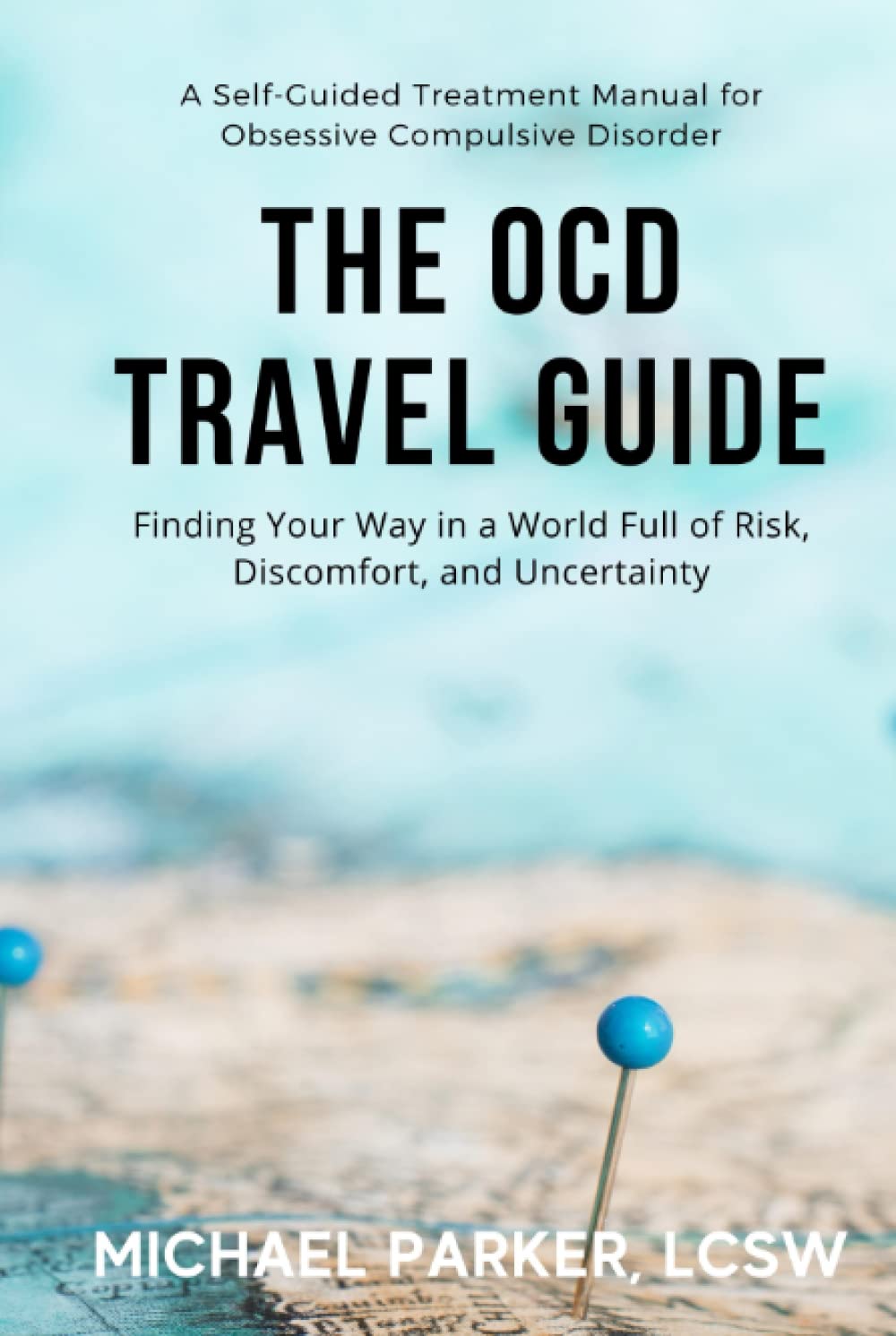
The OCD Travel Guide: Finding Your Way in a World Full of Risk
The OCD Travel Guide: Finding Your Way in a World Full of Risk
Price subject to change. Tap below for current.
Couldn't load pickup availability
In this review of The OCD Travel Guide, the bottom line is straightforward: this book is for people whose daily life is constrained by intrusive doubts and compulsive attempts to neutralize them. Michael Parker LCSW writes with practical clarity, drawing on Exposure and Response Prevention (ERP) and Acceptance and Commitment Therapy (ACT) to help readers recognize their symptoms and reorient toward personal values. The guide is especially useful for anyone who wants a concise, psychologically grounded roadmap to reduce the influence of OCD without getting lost in jargon.
Key Features
- Clear symptom recognition: Explains how to tell OCD-driven thoughts apart from ordinary concerns so readers can start responding differently.
- Practical ERP techniques: Offers actionable strategies to face feared situations and reduce ritualized responses that maintain OCD.
- ACT-based values focus: Encourages prioritizing a personal compass over OCD misdirection to guide meaningful life choices.
- Realistic coping guidance: Provides steps to manage uncertainty, discomfort, and risk without promising quick fixes.
- Accessible language: Uses plain explanations aimed at people living with OCD rather than dense clinical prose.
Who It's For
This book suits adults and older teens who are experiencing intrusive thoughts, compulsive checking, reassurance-seeking, or prolonged doubt that interferes with daily decisions and activities. It will appeal to readers who prefer evidence-based methods explained in straightforward terms and want to practice ERP and ACT principles on their own or alongside therapy.
Those who should look elsewhere include readers seeking a deep academic textbook on OCD neuroscience or clinicians needing exhaustive treatment protocols; the guide is practical and applied rather than a comprehensive academic reference.
Pros & Cons
Pros
- Practical focus that translates therapeutic methods into clear steps readers can try immediately.
- Balanced approach addressing both symptom reduction and aligning actions with values.
- Accessible writing style that reduces clinical distance and makes concepts easier to use in daily life.
Cons
- Not a detailed clinical manual, so clinicians or those wanting exhaustive protocols may need supplemental resources.
Specifications
| Title | The OCD Travel Guide: Finding Your Way in a World Full of Risk, Discomfort, and Uncertainty |
| Author | Michael Parker LCSW |
| Core approaches | Exposure and Response Prevention (ERP); Acceptance and Commitment Therapy (ACT) |
| Primary focus | Recognizing OCD symptoms and reducing their influence |
| Intended audience | People living with OCD and those seeking practical self-help guidance |
| Style | Practical, accessible guidance rather than academic textbook |
Our Verdict
The OCD Travel Guide is a concise, practical resource for people whose lives are steered by intrusive doubts and compulsions; it translates ERP and ACT into usable steps and helps readers prioritize their internal compass. It offers good value to self-help readers and complements therapy, but those seeking exhaustive clinical detail should use it alongside professional resources.
Frequently Asked Questions
Is this book based on evidence-based therapies?
Yes. The guide draws directly from Exposure and Response Prevention and Acceptance and Commitment Therapy techniques.
Will this replace seeing a therapist?
No. It is designed to help readers apply therapeutic principles, but it is best used alongside professional support when symptoms are severe.
Who benefits most from this guide?
Readers struggling with intrusive thoughts, excessive doubt, or compulsive behaviors who want practical, value-focused strategies to reduce OCD's influence.
Editor's Take
The OCD Travel Guide is a concise, practical resource that applies ERP and ACT to help people recognize OCD symptoms, reduce compulsive responses, and refocus on personal values; it pairs well with therapy but is not a clinical manual.

Recently viewed
Recently viewed products will appear here as customers browse the store.