

The Origins of the First World War Pamphlet - Concise Historical
The Origins of the First World War Pamphlet - Concise Historical
Price subject to change. Tap below for current.
Couldn't load pickup availability
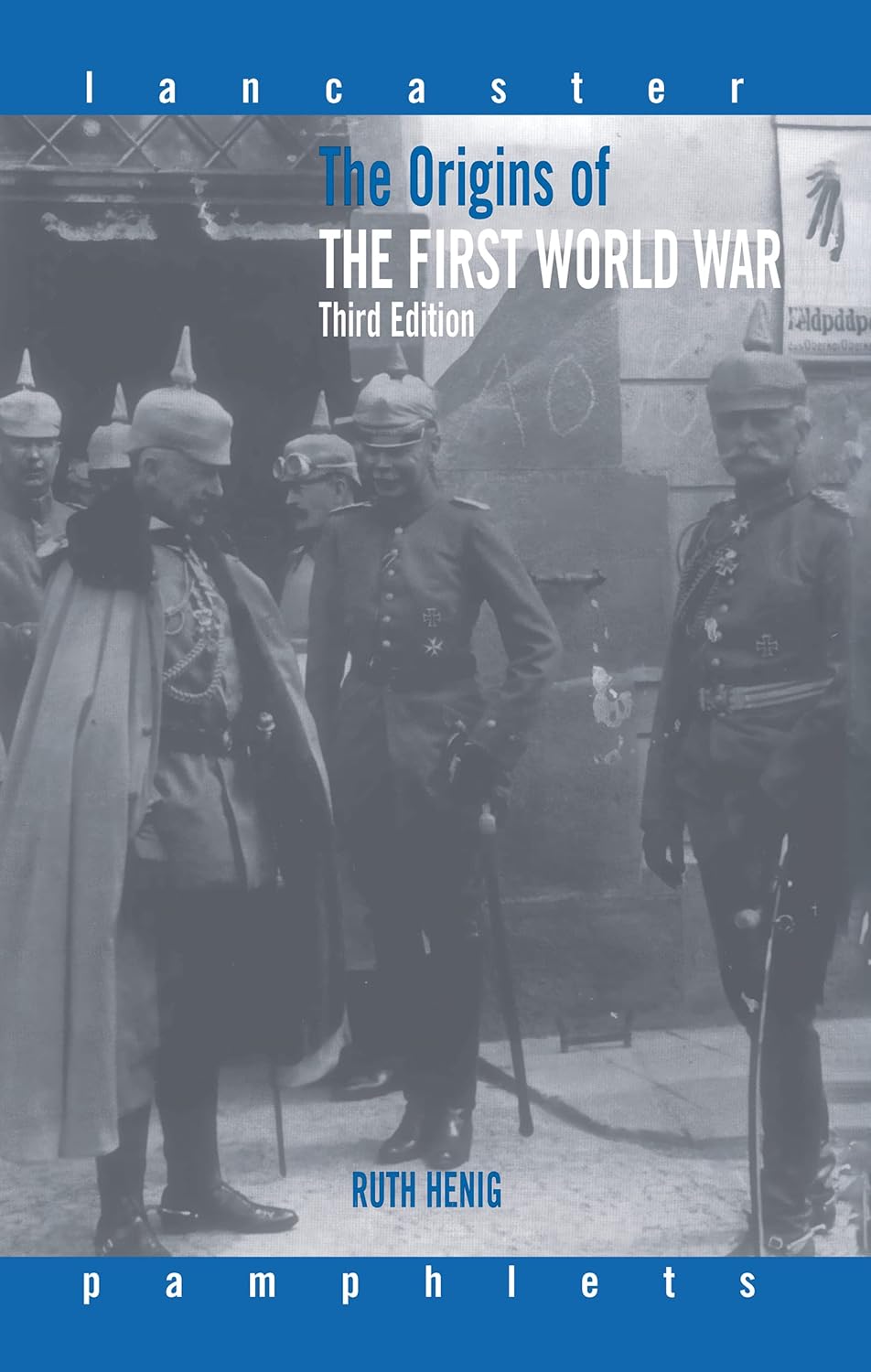
In this review of The Origins of the First World War (Lancaster Pamphlets), the reviewer finds a compact, scholarly introduction best suited to readers seeking a focused assessment of causes and historiography. Ruth Henig distils a complex debate into a readable pamphlet that balances narrative of events with critical evaluation of interpretations, making it a useful starting point for students or informed general readers. The pamphlet's strength is its clear tracing of diplomatic history from Bismarck to 1914 and a measured discussion of national responsibility for the outbreak of war.
Key Features
- Concise historical survey: Summarises the major issues in the origins debate so readers can grasp the main arguments without wading through large monographs.
- Bismarck-era context: Explains the legacy of Bismarck's diplomacy between 1871 and 1890 to show long-term diplomatic trends that shaped Europe.
- Assassination crisis coverage: Outlines the Sarajevo assassination and the immediate crisis that led to mobilization in August 1914, giving readers a clear sequence of events.
- Historiographical assessment: Evaluates how generations of historians since 1919 have interpreted the causes, helping readers understand competing schools of thought.
- Focus on German responsibility: Addresses recent arguments about German culpability, offering a balanced account for readers weighing that claim.
Who It's For
The pamphlet suits undergraduate students, history seminar attendees, and general readers who want an organised, critical overview of the debate without committing to lengthy secondary literature. Its emphasis on both diplomatic history and interpretation makes it useful as a readable course supplement or preface to deeper study.
Readers seeking exhaustive archival detail, primary-source compilations, or a specialist monograph should look elsewhere, since the format is short and synthetic rather than an original archival study.
Pros & Cons
Pros
- Clear, concise account of long-term diplomatic trends from Bismarck that orients the reader to structural causes.
- Balanced treatment of the assassination crisis and the decisions that led to mobilization in August 1914.
- Useful historiographical overview that situates modern debates about German responsibility.
Cons
- As a pamphlet, it provides synthesis rather than exhaustive primary-source evidence, so readers wanting deep archival detail will need additional works.
Specifications
| Title | The Origins of the First World War (Lancaster Pamphlets) |
| Author | Ruth Henig |
| First published | 2003 |
| Subject focus | Origins of the First World War, diplomacy, historiography |
| Historical range | Bismarck era (1871-1890) to August 1914 crisis |
| Approach | Synthetic survey and interpretive assessment |
Our Verdict
The Origins of the First World War is a compact, well-judged pamphlet that belongs on the reading list of students and informed general readers who need a clear introduction to both events and interpretations. Its value lies in concise synthesis and balanced historiographical discussion, offering solid background before moving on to longer monographs and primary sources.
Frequently Asked Questions
Does this pamphlet cover the assassination that triggered the war?
Yes, it outlines the Sarajevo assassination crisis and explains how that event interacted with mobilization decisions in August 1914.
Is this a specialist archival study?
No, the pamphlet is a synthetic overview aimed at summarising debates rather than publishing new archival research.
Will it help me understand arguments about German responsibility?
Yes, Ruth Henig explicitly considers recent arguments about German culpability and places them in broader historiographical context.
Editor's Take
A compact, well-judged pamphlet that provides concise synthesis of diplomatic causes and historiographical debate, ideal for students and general readers seeking a clear introduction.

Recently viewed
Recently viewed products will appear here as customers browse the store.