

The Pale Criminal (Psychoanalytic Perspectives) - Clinical
The Pale Criminal (Psychoanalytic Perspectives) - Clinical
Price subject to change. Tap below for current.
Couldn't load pickup availability
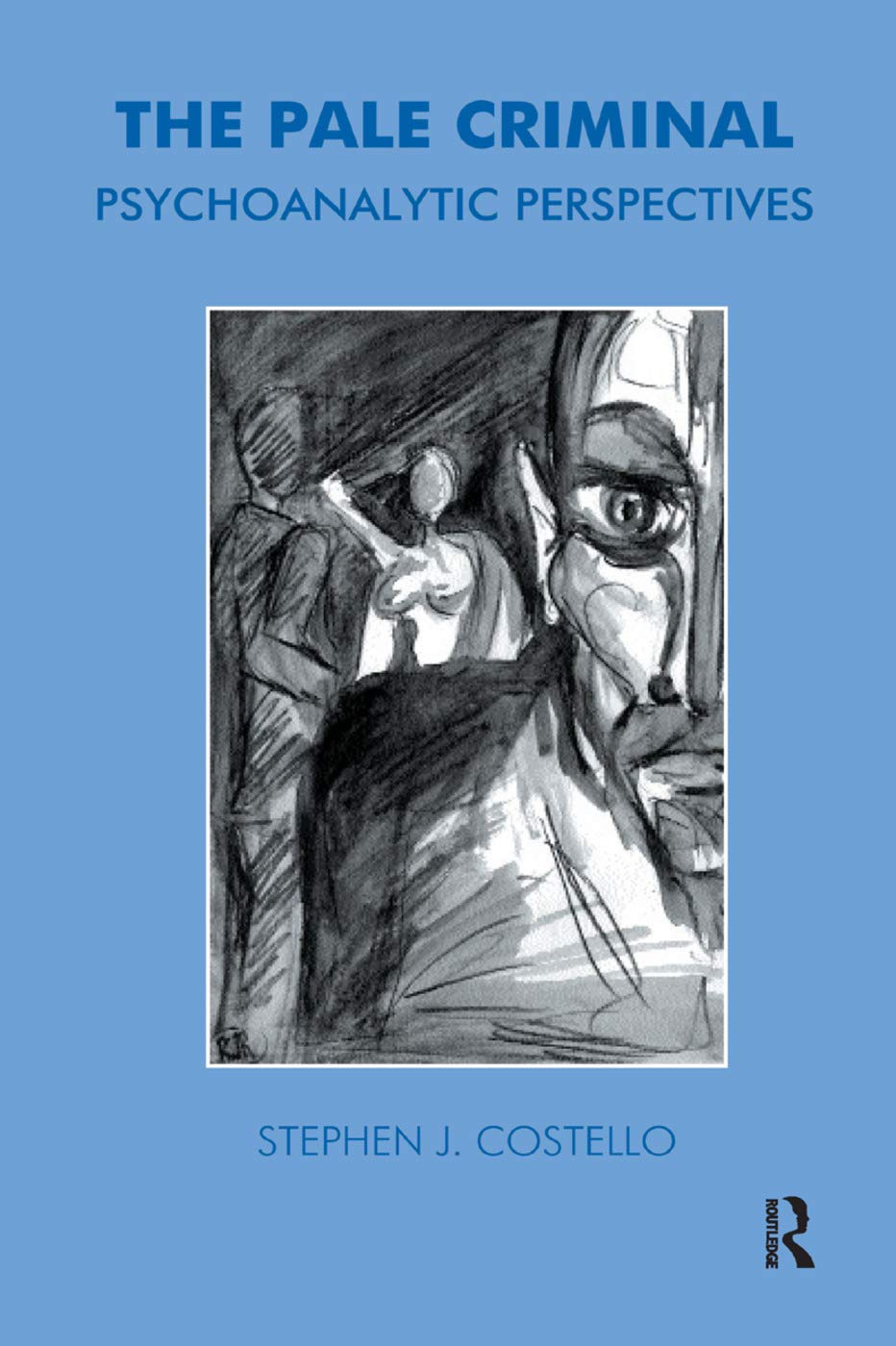
In this review of The Pale Criminal (Psychoanalytic Perspectives) the bottom line is clear: this is a focused, scholarly study for clinicians, graduate students and readers interested in the intersection of psychoanalysis and criminal behavior. Stephen J. Costello offers a concentrated theoretical reading that traces Freud's use of Nietszche's phrase and develops a sustained argument about criminal acts motivated by deep unconscious guilt. The book's single biggest reason to buy is its attempt at a unifying vision that integrates classic psychoanalytic ideas with clinical reflection on culpability.
Key Features
- Focused theme: The book concentrates on the concept of the "pale criminal," examining how unconscious guilt can precipitate criminal acts and offering a coherent lens for clinicians to consider motive beyond conscious intent.
- Theoretical integration: Costello brings together Freud's insights and related psychoanalytic theory to present a consistent interpretive framework that helps readers connect disparate clinical observations.
- Historical grounding: By tracing Freud's borrowing of Nietzsche's phrase, the work situates the idea within intellectual history, which aids readers in understanding its origins and evolution.
- Clinical relevance: Case-oriented discussion and theoretical synthesis equip practitioners with concepts to reflect on patient dynamics where guilt and criminality intersect.
- Concise presentation: The study remains disciplined in scope, prioritizing depth over breadth so readers can follow a sustained argument without extraneous topics.
Who It's For
The Pale Criminal is best suited to psychoanalysts, psychotherapists, forensic clinicians and advanced students of psychology who want a focused theoretical treatment of criminality informed by psychoanalytic ideas. Readers who appreciate close readings of classical sources and theoretical synthesis will find this work rewarding.
Those seeking a broad textbook on criminal justice, a step-by-step guide to forensic assessment, or empirical studies with large datasets should look elsewhere; this title prioritizes conceptual integration and clinical reflection over empirical survey or procedural how-to material.
Pros & Cons
Pros
- Provides a clear theoretical integration that links Freud's notion of the pale criminal to contemporary clinical thinking.
- Offers historically informed discussion that deepens understanding of the concept's origins and implications.
- Concise focus makes it a dense, readable resource for specialist readers rather than a sprawling treatise.
Cons
- Its narrow scope and emphasis on theory may limit appeal for readers seeking empirical research or practical forensic protocols.
Specifications
| Title | The Pale Criminal (Psychoanalytic Perspectives) |
| Author | Stephen J. Costello |
| Subject focus | Psychoanalytic study of criminality and unconscious guilt |
| Approach | Theoretical integration and clinical reflection |
| Historical reference | Freud's use of Nietzsche's phrase from Thus Spake Zarathustra |
| Best for | Clinicians, psychoanalysts, advanced students |
Our Verdict
The Pale Criminal is a worthwhile purchase for clinicians and advanced scholars who want a disciplined, conceptually rich account of criminal behavior viewed through psychoanalytic lenses. Its focused theoretical synthesis offers good value for readers seeking a deeper interpretive framework, though it is not a substitute for empirical forensic manuals or broad surveys.
Frequently Asked Questions
Does this book focus on clinical cases?
The work emphasizes theoretical integration and clinical reflection rather than extensive case catalogs, using examples to illustrate concepts.
Is it suitable for beginners?
It is best for readers with some background in psychoanalysis or psychology; complete beginners may find the theoretical emphasis challenging.
Does it discuss Freud and Nietzsche directly?
Yes, the book traces Freud's borrowing of Nietzsche's phrase and situates the concept within that intellectual context.
Editor's Take
The Pale Criminal is a focused, conceptually rich psychoanalytic study that offers clinicians and advanced students a coherent framework for understanding criminal acts rooted in unconscious guilt; it is valuable for theory-minded readers though not an empirical or procedural manual.

Recently viewed
Recently viewed products will appear here as customers browse the store.