

The Philosophy of Higher Education - Concise Introduction to Key Ideas
The Philosophy of Higher Education - Concise Introduction to Key Ideas
Price subject to change. Tap below for current.
Couldn't load pickup availability
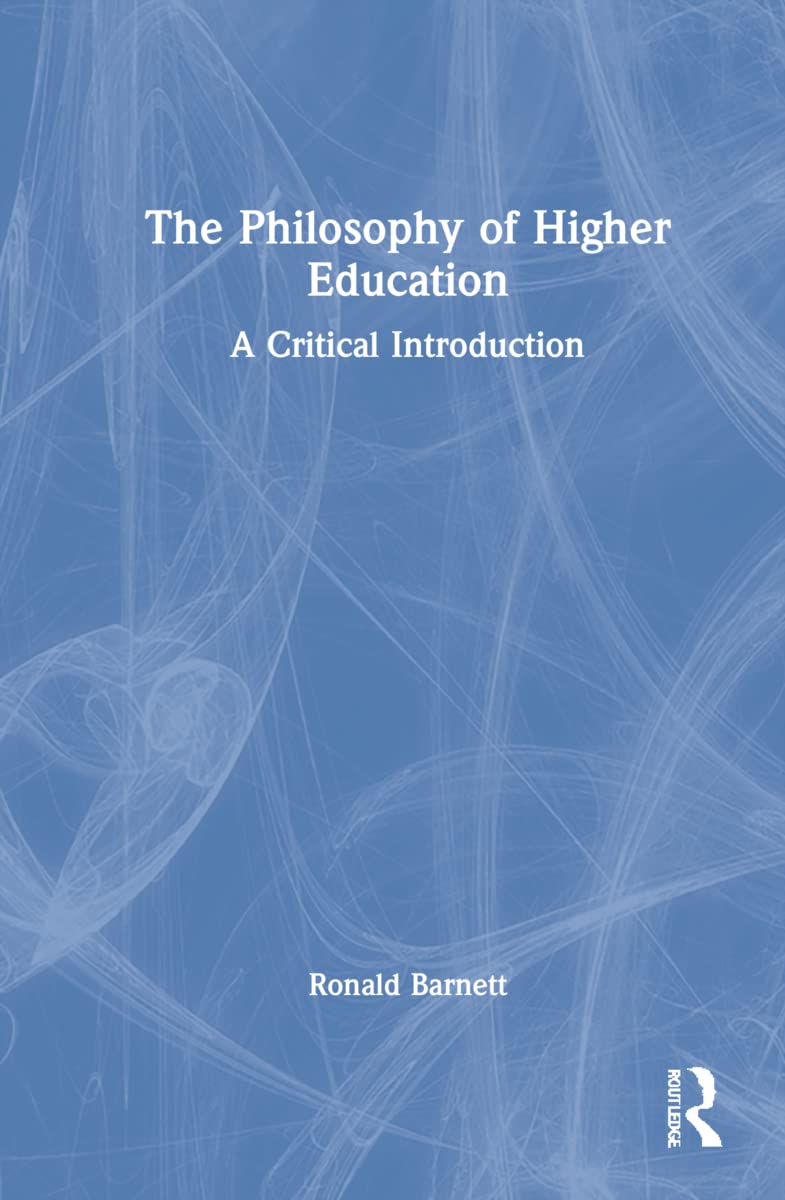
In this review of The Philosophy of Higher Education the bottom line is clear: this is a thoughtful, compact guide for academics, postgraduate students and policy-minded readers who want a coherent entry into debates about universities and higher education. Ronald Barnett writes short, essay-like chapters that map foundational concepts and contemporary concerns, and the single biggest reason to buy is the book's clear framing of complex issues like academic freedom, research and the digital university in an accessible, connected way that encourages further reading and reflection.
Key Features
- Concise essays: Each chapter is a short essay that isolates a single topic and makes it approachable for readers new to the field.
- Broad scope: The book moves from foundations to specific issues such as teaching, knowledge and social justice, giving a wide-angle view of the subject.
- Contemporary relevance: Barnett addresses current concerns like the digital university and the Anthropocene so readers see philosophy applied to modern challenges.
- Conceptual clarity: The text distinguishes between ideas of university and higher education, helping readers parse institutional and theoretical differences.
- Interdisciplinary reading: Draws on classic and contemporary texts which directs readers to further sources and varied perspectives.
- Organized journey: Composed of five parts, the structure guides readers from foundations through concepts to focused topics and implications.
Who It's For
This book suits lecturers, doctoral students and policy researchers who need a systematic yet readable introduction to philosophical issues in higher education; its essay form makes it easy to consult chapter by chapter. It is also useful for curriculum developers and academic leaders looking for conceptual language to frame debates about research, culture and academic freedom.
Readers seeking step-by-step practical guidance for classroom techniques or a handbook of administrative policy should look elsewhere, as Barnett's focus is conceptual and reflective rather than prescriptive. Those wanting exhaustive historical detail may also prefer a full-length history rather than this thematic, analytic approach.
Pros & Cons
Pros
- Clear, essay-style chapters make complex philosophical themes accessible to non-specialists.
- Wide-ranging topics link classic theory to pressing contemporary issues like the digital university.
- Helpful conceptual distinctions, especially between university and higher education, aid critical thinking.
Cons
- As a conceptual introduction it does not provide detailed, practical classroom techniques or administrative templates.
Specifications
| Title | The Philosophy of Higher Education |
| Author | Ronald Barnett |
| Format | Book of short essays in chapter form |
| Structure | Composed of five parts covering foundations, concepts and focused topics |
| Topics covered | Values, knowledge, teaching, critical thinking, social justice, academic freedom, digital university, Anthropocene |
| Audience | Academics, postgraduate students, policy researchers |
Our Verdict
The Philosophy of Higher Education is a valuable, well-structured introduction for anyone wanting to understand the conceptual landscape of contemporary higher education. It is good value for those seeking thoughtful synthesis and links to wider literature, though readers after hands-on pedagogy or administrative checklists will need a different resource.
Frequently Asked Questions
Is this book suitable for beginners?
Yes. The short essay format and clear explanations make it accessible for newcomers to philosophy of education.
Does the book address current issues like digital learning?
Yes. Barnett examines the digital university among other contemporary concerns.
Will I find practical teaching tips here?
No. The focus is conceptual and philosophical rather than prescriptive classroom guidance.
Editor's Take
A well-structured, accessible introduction to the conceptual landscape of higher education; ideal for academics and postgraduate students seeking thoughtful synthesis rather than practical teaching guides.

Recently viewed
Recently viewed products will appear here as customers browse the store.