

The Phonology of Tone and Intonation - Clear, Practical
The Phonology of Tone and Intonation - Clear, Practical
Price subject to change. Tap below for current.
Couldn't load pickup availability
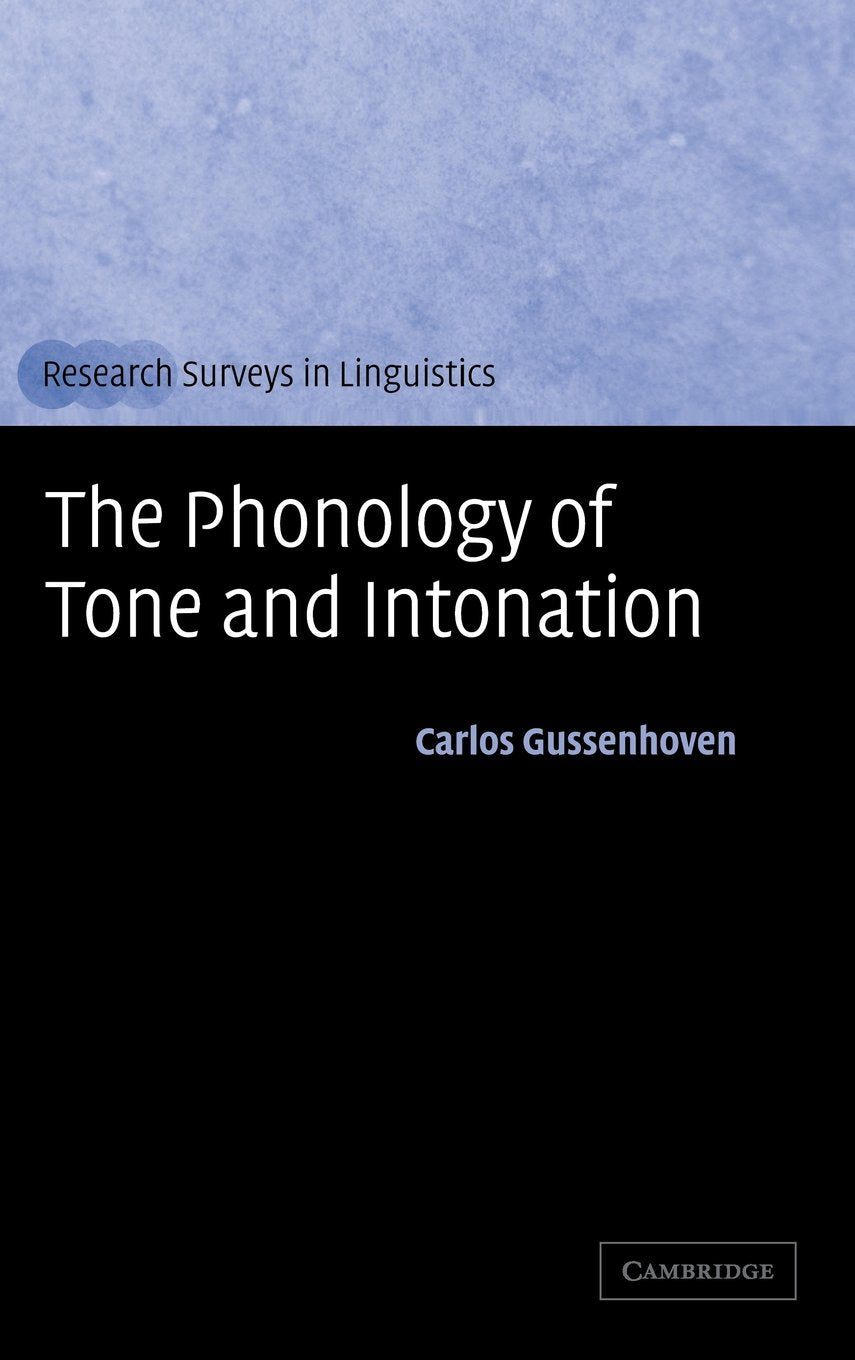
In this review of The Phonology of Tone and Intonation readers will find a focused, academically minded survey that explains why speakers vary pitch and how those variations function in grammar. The book is best for linguists, advanced students, and language researchers who need a systematic, cross-linguistic account of both lexical tone and sentence-level intonation. Its chief appeal is clarity: using examples from a wide variety of languages, the author traces how pitch encodes morpheme boundaries and sentence meanings with concise explanations and illustrative data.
Key Features
- Cross-linguistic examples: Uses data from many languages to show recurring patterns and contrastive cases for tone and intonation.
- Tonal and intonational integration: Explains how pitch modulations serve both lexical and sentential roles within grammars.
- Grammar-focused approach: Frames pitch variation as part of linguistic systems, helping readers connect phonetic facts with grammatical analysis.
- Accessible explanations: Presents complex concepts in a way suitable for advanced students without sacrificing technical substance.
- Reference value: Functions as a compact survey useful for coursework, seminars, or as a reference on pitch systems.
Who It's For
The book is ideal for graduate students in linguistics, phonologists, and researchers who need a concise survey of how pitch functions in languages worldwide. It suits readers looking to compare tonal systems or to understand how intonation contributes meaning beyond lexical content.
Those who want a step-by-step lab handbook or extensive experimental methodology may need supplementary texts focused on phonetic instrumentation or field techniques, since this work emphasizes theoretical and descriptive integration rather than laboratory procedure.
Pros & Cons
Pros
- Broad range of language examples clarifies general principles and exceptions.
- Clear linkage between lexical tone and sentential intonation aids theoretical synthesis.
- Compact survey format makes it a convenient reference for courses and research reading lists.
Cons
- Not a manual for experimental phonetics or acoustic measurement, so specialists needing lab protocols should look elsewhere.
Specifications
| Title | The Phonology of Tone and Intonation |
| Series | Research Surveys in Linguistics |
| Author | Carlos Gussenhoven |
| Scope | Cross-linguistic survey of pitch systems |
| Main topics | Lexical tone, intonation, grammatical integration |
Our Verdict
This book is a well-judged, efficient survey for anyone studying how pitch conveys both lexical and sentence-level meaning. It is good value for students and linguists who want a clear theoretical and descriptive guide to tone and intonation, though readers seeking hands-on phonetic methods will want a complementary laboratory text.
Frequently Asked Questions
Does this book cover specific languages?
Yes, it uses examples from a wide variety of languages to illustrate patterns, though it is organized around concepts rather than single-language grammars.
Is this suitable for beginners?
It is best for advanced undergraduates or graduate students with some background in phonology rather than complete beginners.
Will it teach acoustic measurement techniques?
No, the focus is theoretical and descriptive; readers needing measurement protocols should consult a phonetics methods text.
Editor's Take
A clear, efficient survey that explains how pitch encodes lexical tone and sentence-level intonation; ideal for advanced students and researchers seeking a theoretical, cross-linguistic guide.

Recently viewed
Recently viewed products will appear here as customers browse the store.