

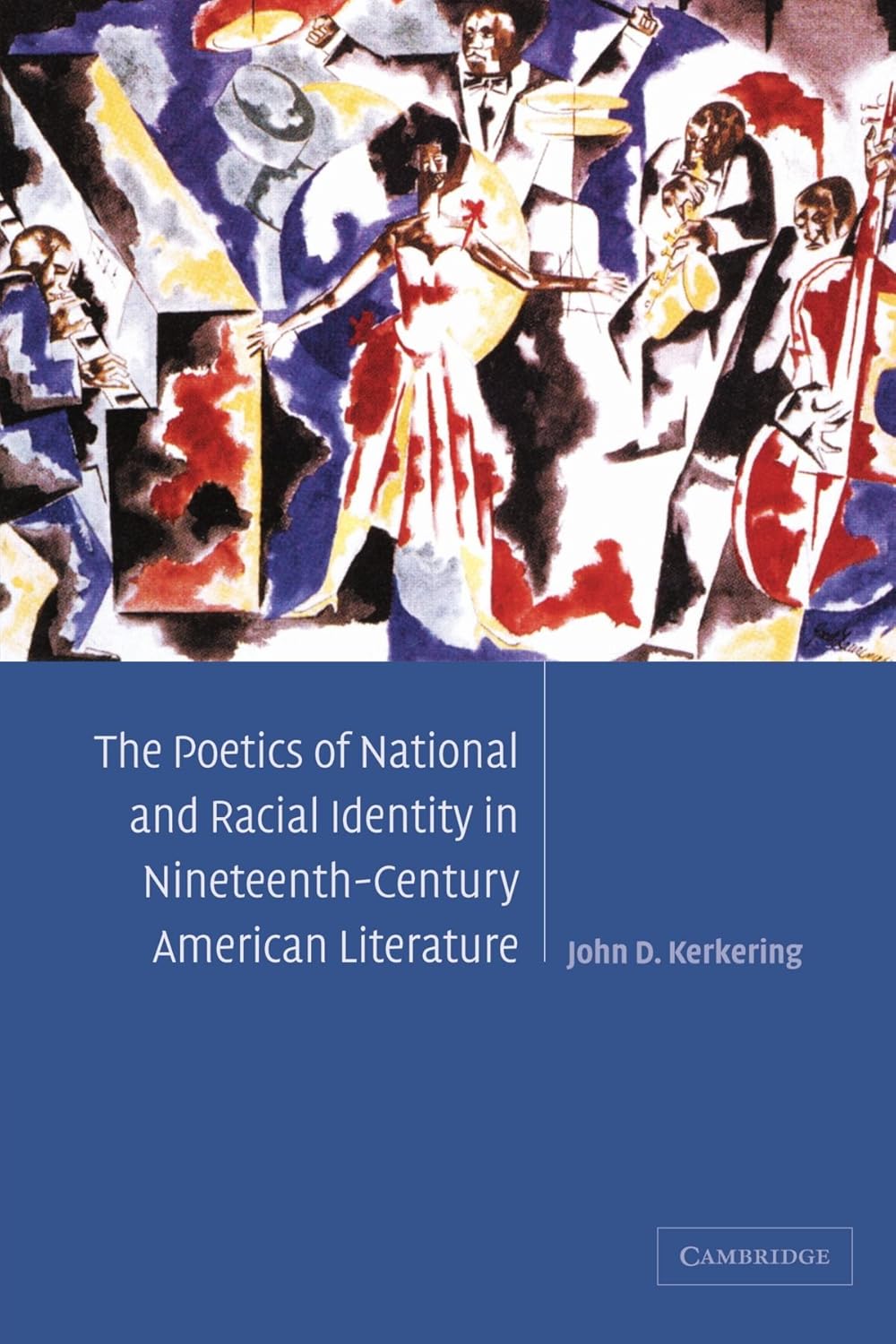
The Poetics of National and Racial Identity in Nineteenth-Century
The Poetics of National and Racial Identity in Nineteenth-Century
Price subject to change. Tap below for current.
Couldn't load pickup availability
In this review John D. Kerkering's study is assessed for readers interested in how poetic form shaped ideas of race and nation in nineteenth-century America. The book's single biggest virtue is its careful close readings that demonstrate how poetic effects like meter, rhythm and alliteration functioned as evidence for collective identities. Kerkering does not simply historicize themes; he shows the mechanics by which poets and prose writers fashioned the sounds of group belonging, making it essential reading for scholars who want form and politics considered together.
Key Features
- Close formal analysis: Kerkering traces meter and rhythm to show how textual sound supports claims of collective identity.
- Cross-author perspective: The book compares writers such as DuBois, Lanier, Simms and Scott to reveal shared formal strategies across different political positions.
- Intersection of race and nation: It argues that national and racial identities are linked through literary practice rather than separate historical tracks.
- Attention to poetic devices: Focus on alliteration, melody and other sonic techniques clarifies how poems offered evidence of group distinctiveness.
- Scholarly framing: Positioned within American literary history, the study engages both literature and cultural studies readers seeking rigorous criticism.
Who It's For
Scholars and graduate students of American literature, cultural history, and race studies will find this book rewarding because it combines formalist close reading with questions of social identity. Readers who value evidence drawn from poetic technique rather than broad cultural generalizations will appreciate Kerkering's method.
Those seeking an introductory survey of nineteenth-century American history or a general reader's narrative should look elsewhere; the book assumes some familiarity with the period's literary figures and critical vocabulary and is best used as a focused scholarly study.
Pros & Cons
Pros
- Provides persuasive examples of how poetic form can function as evidence for collective identities.
- Brings together a range of authors to show consistent formal strategies across different voices.
- Balances literary analysis with cultural argument, useful for interdisciplinary work.
Cons
- Not aimed at casual readers; requires background in literary studies and familiarity with the authors discussed.
Specifications
| Title | The Poetics of National and Racial Identity in Nineteenth-Century American Literature |
| Series | Cambridge Studies in American Literature and Culture, Series Number 139 |
| Author | John D. Kerkering |
| Focus | Poetic form and its relation to racial and national identity in nineteenth-century America |
| Key subjects | Meter, rhythm, alliteration, melody, collective identity |
Our Verdict
For scholars who want a precise, form-focused account of how literature participated in the making of racial and national categories, Kerkering's study is a strong, well-argued contribution that repays careful reading. Its value lies in linking close metrics of poetic sound to larger cultural claims, making it a useful resource for research and graduate seminars.
Frequently Asked Questions
Does this book focus on specific authors?
Yes, Kerkering examines writers such as DuBois, Lanier, Simms and Scott to illustrate shared poetic strategies.
Is this accessible to non-specialists?
The book is written for readers with some background in literary studies and is less suited to general readers seeking a broad historical survey.
What is the book's main argument?
It argues that poetic effects like meter and alliteration helped construct and evidence both national and racial identities in the nineteenth-century United States.
Editor's Take
Kerkering offers a compelling, form-focused study showing how poetic devices like meter and alliteration helped produce ideas of race and nation; recommended for scholars and graduate seminars.

Recently viewed
Recently viewed products will appear here as customers browse the store.