

The Political Portrait - Critical of Portraiture in Politics
The Political Portrait - Critical of Portraiture in Politics
Price subject to change. Tap below for current.
Couldn't load pickup availability
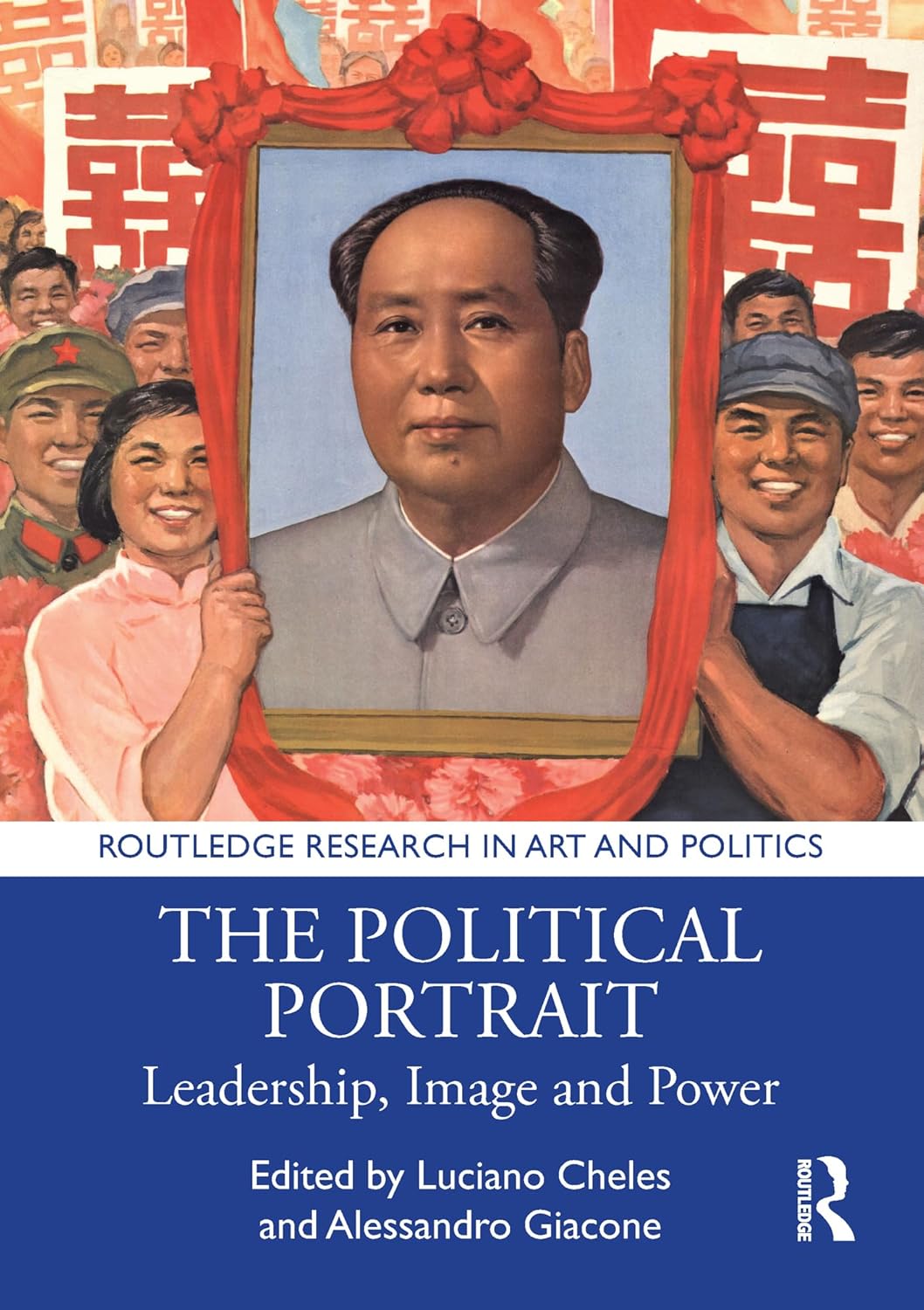
Our review of The Political Portrait looks at a scholarly collection that interrogates the use of leaders' likenesses across regimes and media. Intended for readers interested in visual propaganda, political communication and contemporary political culture, this volume's biggest strength is its historical breadth and comparative approach: contributors trace how portraits on statues, coins, posters and billboards operate as instruments of power and resistance across democracies and dictatorships. The result is a thoughtful, evidence-rich exploration rather than a quick primer, best read by those prepared for academic analysis.
Key Features
- Comparative focus: Essays cover a wide range of countries over the last century, helping readers spot patterns and contrasts in portrait use across regimes.
- Media variety: The book examines portraits in statues, coins, billboards, posters and stamps, giving a practical sense of how different media shape political messages.
- Propaganda and resistance: Contributors treat portraits both as instruments of state propaganda and as targets or tools of derision and denunciation, offering multiple perspectives.
- Historical depth: Attention to the last one hundred years provides context for contemporary personalization and spectacularization of political campaigning.
- Interdisciplinary contributors: An international group of authors brings varied methods and case studies that enrich comparative claims and theoretical insights.
Who It's For
This volume is best for students, scholars and practitioners in political communication, visual culture and contemporary history who want rigorous case studies and theoretical framing; librarians and advanced undergraduates will also find it a useful reference. The emphasis on both dictatorial and democratic contexts makes it relevant for comparative politics courses.
Readers seeking a short, accessible overview for a general audience or a how-to guide on political campaign imagery should look elsewhere, as the book assumes familiarity with academic writing and engages in dense, contextual analysis rather than popular exposition.
Pros & Cons
Pros
- Wide geographic and temporal scope offers comparative insight that illuminates recurring strategies of political portraiture.
- Detailed attention to multiple media shows how form and format influence political messaging.
- The inclusion of resistance and satire broadens the discussion beyond state-controlled imagery to contested visual politics.
Cons
- The academic style and depth of analysis may be demanding for casual readers seeking a concise introduction.
Specifications
| Title | The Political Portrait |
| Series | Routledge Research in Art and Politics |
| Authors / Editors | Luciano Cheles, Alessandro Giacone |
| Subject focus | Portraiture, propaganda, political communication |
| Geographic scope | Global / multiple countries |
| Time period | Last one hundred years |
Our Verdict
The Political Portrait is a strong, well-researched collection for readers who want a comparative and historical account of how leaders' images function in politics. Its interdisciplinary essays provide lasting insight for scholars and students, and despite a demanding academic tone, the book offers good value for anyone studying visual propaganda and political communication.
Frequently Asked Questions
Does this book cover democratic countries as well as dictatorships?
Yes; contributors address portraiture in both dictatorial regimes and democratic systems, emphasizing personalization in contemporary campaigning.
Is the book suitable for undergraduate coursework?
It is well suited to advanced undergraduates and graduate seminars, though instructors may need to contextualize denser essays for general undergraduates.
What media of portraiture are examined?
The volume looks at statues, coins, billboards, posters and stamps, among other forms.
Editor's Take
The Political Portrait is a well-researched, comparative collection that illuminates how leaders' images function as propaganda and tools of resistance; recommended for students and scholars of political communication who want historical and media-aware analysis.

Recently viewed
Recently viewed products will appear here as customers browse the store.