Regular price
$192.00 USD
Price subject to change. Tap below for current.
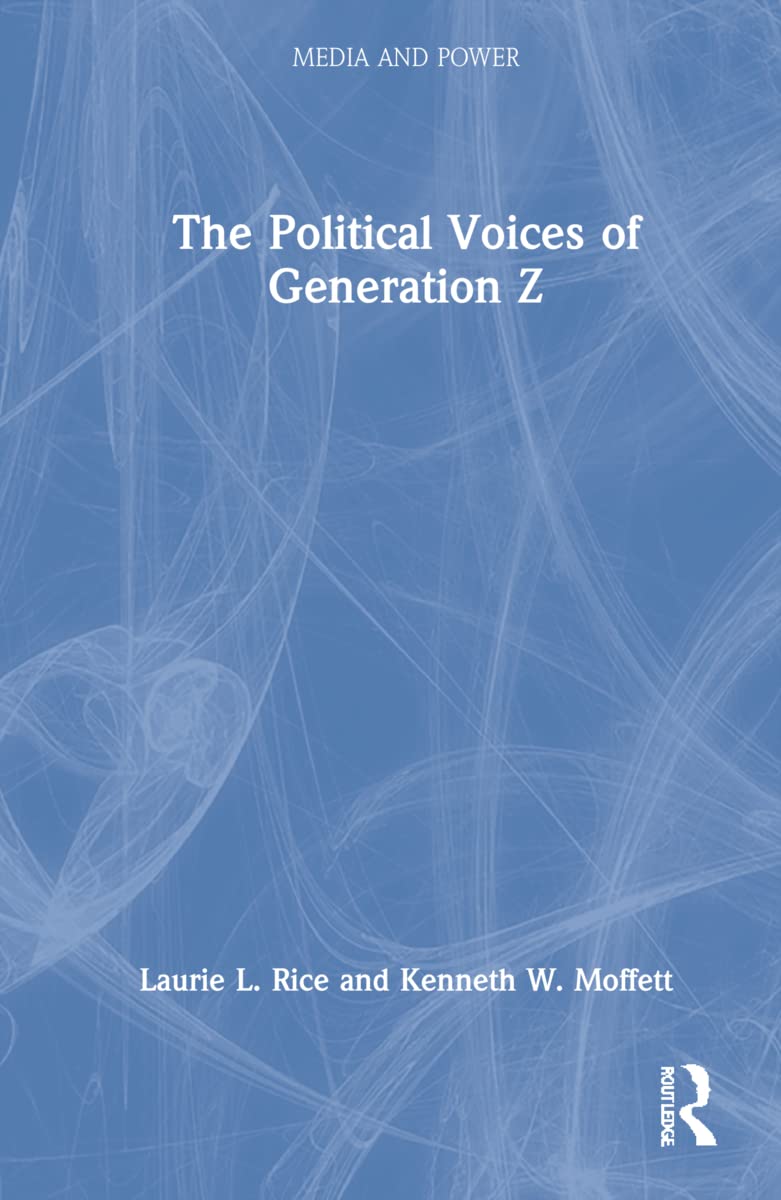
The book The Political Voices of Generation Z offers a profound exploration into the unique perspectives and influences of today's youth. As the first generation to grow up entirely in the digital age, Generation Z has a distinct relationship with media and power dynamics. This insightful work delves into how these young individuals navigate their political identities through various media platforms.
In this compelling narrative, authors Laurie Rice and Kenneth W. Moffett examine the impact of social media on political engagement among Gen Z. The authors argue that platforms like Twitter, Instagram, and TikTok are not just tools for communication but are pivotal in shaping political discourse. This book provides a comprehensive analysis of how these platforms empower young voices to advocate for change.
One of the standout features of this book is its focus on the diversity of opinions within Generation Z. Unlike previous generations, this cohort is characterized by a wide array of beliefs and values, influenced by their multicultural backgrounds. The authors highlight how this diversity enriches political conversations and fosters a more inclusive environment for activism.
Furthermore, the book discusses the role of traditional media in shaping Gen Z's political views. While digital platforms dominate, traditional news outlets still play a crucial role in informing this generation. The authors analyze how young people consume news and the implications of their media choices on their political awareness.
Another critical aspect covered is the activism trends among Gen Z. The book showcases various movements led by young activists, illustrating their strategies and the challenges they face. From climate change to social justice, Generation Z is at the forefront of numerous causes, and this book captures their passion and determination.
In addition to activism, the authors explore the political participation of Gen Z in elections. With the rise of youth voter turnout, this generation is proving to be a formidable force in shaping the future of politics. The book provides insights into how young voters are mobilized and the factors that influence their voting behavior.
Overall, The Political Voices of Generation Z is an essential read for anyone interested in understanding the intersection of media, power, and youth politics. It offers valuable perspectives that can help educators, policymakers, and activists engage more effectively with this dynamic generation. This book is not just an academic analysis; it is a call to recognize and amplify the voices of the future.