

The Psychology of Creative Writing - A Scholarly Guide to Craft
The Psychology of Creative Writing - A Scholarly Guide to Craft
Price subject to change. Tap below for current.
Couldn't load pickup availability
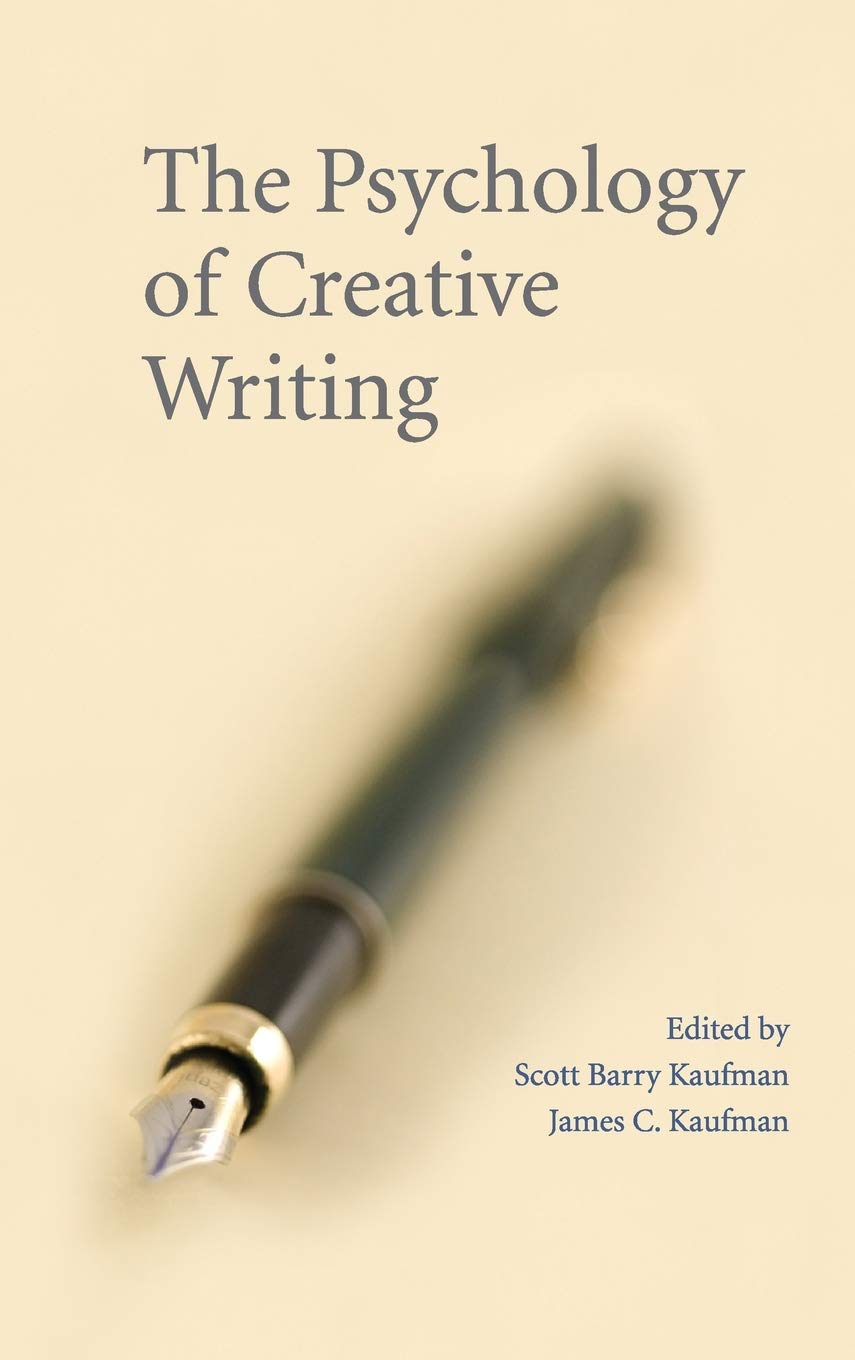
In this review of The Psychology of Creative Writing the bottom line is clear: this book is best for readers who want a rigorous, psychological examination of the craft rather than a how-to manual. James C. Kaufman and Scott Barry Kaufman collect research and perspectives that illuminate the writer as a person, the nature of creative texts, and the interplay between creativity and mental health. The book's single biggest strength is its breadth: it connects personality, development, pedagogy, and genre differences in a way that will reward psychologists, serious writers, and educated readers who enjoy thinking about writing as an intellectual subject.
Key Features
- Psychological perspective: Explores creative writing through research-based psychological frameworks so readers gain a deeper understanding of creative behavior.
- Writer as person: Examines the personality traits and developmental paths of writers, helping readers see how individual differences shape work.
- Process and text: Discusses the creative process and the structure of texts so writers and scholars can connect practice to outcome.
- Mental health link: Addresses the relationship between creative writing and mental illness to provide a balanced, evidence-oriented view.
- Genre insights: Looks at specific traits of comedy and screen writers, offering targeted observations for different kinds of practitioners.
- Teaching creative writing: Offers perspectives on pedagogy that can inform instructors and workshop leaders about technique and student development.
Who It's For
The Psychology of Creative Writing is aimed at psychologists interested in creativity, writers seeking a research-informed perspective on their craft, and educated laypeople who appreciate thoughtful analysis of reading and writing. Graduate students, academics, and creative writers who like theory and empirical discussion will find the content particularly rewarding.
This is not a step-by-step writing workbook or a quick tips manual; writers looking only for craft exercises, prompts, or immediate technique drills should look elsewhere. Readers seeking light or purely anecdotal entertainment will also prefer a different book.
Pros & Cons
Pros
- Presents a well-researched psychological framework that clarifies how personality and development influence writing.
- Covers multiple dimensions of creativity, from individual traits to the writing process and pedagogy.
- Includes discussion of genre-specific dynamics, such as traits common to comedy and screen writers.
Cons
- The scholarly focus means it is less useful as a practical guide for immediate craft exercises or prompts.
Specifications
| Title | The Psychology of Creative Writing |
| Authors | James C. Kaufman; Scott Barry Kaufman |
| Focus | Psychological study of creative writing |
| Main topics | Writer personality, creative process, writers development, pedagogy |
| Special coverage | Link between creative writing and mental illness; traits of comedy and screen writers |
| Audience | Psychologists, writers, educated laypeople |
Our Verdict
The Psychology of Creative Writing is a valuable, research-driven volume for anyone who wants to understand the why behind creative writing rather than only the how. Its scholarly treatment and range of topics make it good value for psychologists, serious writers, and teachers of writing who will use its insights to inform practice and study.
Frequently Asked Questions
Is this book practical for improving my daily writing?
The book emphasizes psychological understanding and theory over daily practice, so it informs mindset and teaching more than providing daily writing drills.
Does it address writers' mental health?
Yes; the authors discuss the link between creative writing and mental illness in an evidence-oriented way.
Who will benefit most from this book?
Psychologists studying creativity, serious writers interested in theory, and instructors seeking research-based perspectives will gain the most.
Editor's Take
A research-driven, scholarly look at creative writing that benefits psychologists, serious writers, and instructors by linking personality, process, genre, and pedagogy.

Recently viewed
Recently viewed products will appear here as customers browse the store.