Regular price
$150.36 USD
Price subject to change. Tap below for current.
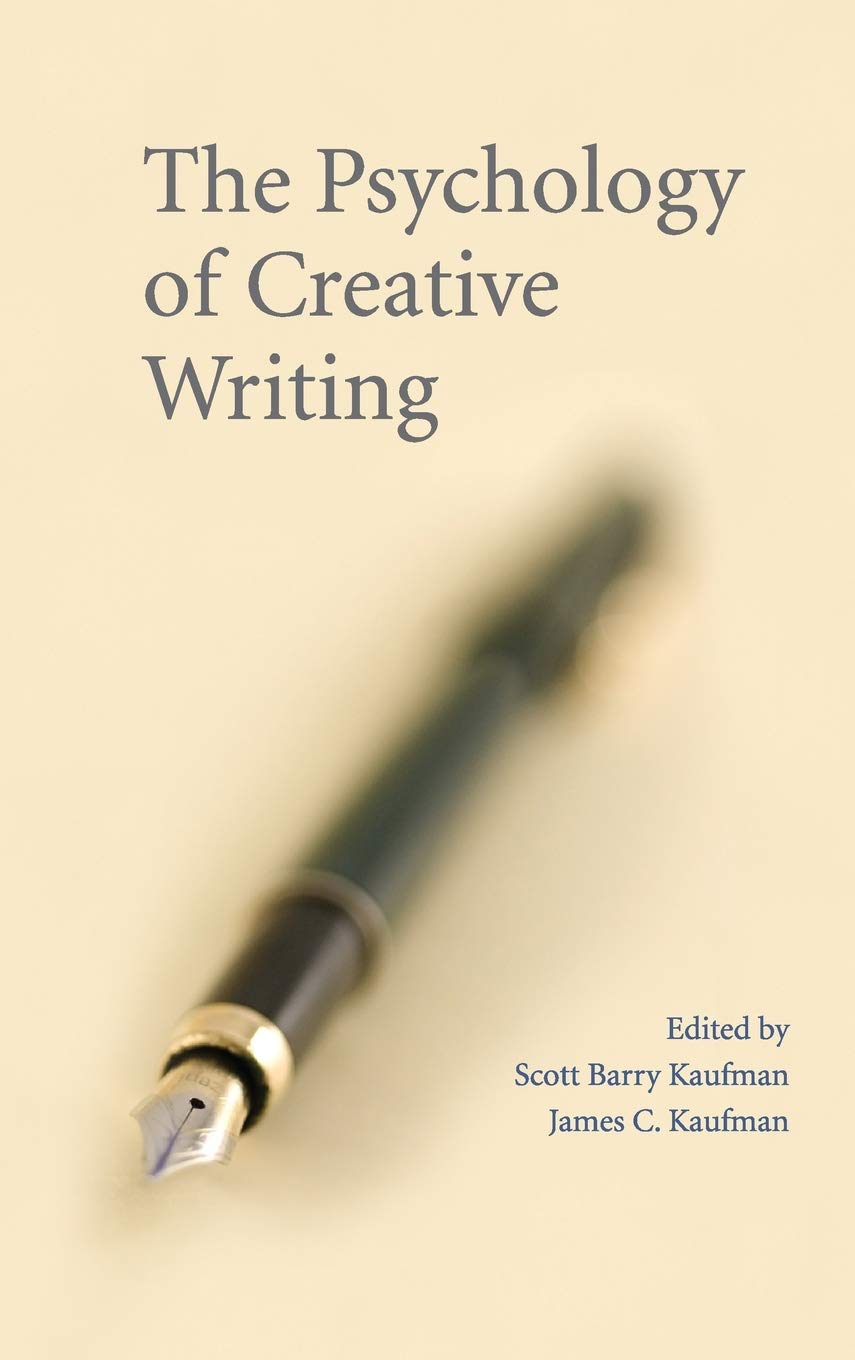
The Psychology of Creative Writing by James C. Kaufman and Scott Barry Kaufman delves into the intricate relationship between creativity and the writing process. This insightful book offers a comprehensive exploration of how psychological principles can enhance your writing skills. Whether you are a seasoned author or a budding writer, this book provides valuable insights that can help you tap into your creative potential.
One of the standout features of this book is its focus on the cognitive processes involved in creative writing. Kaufman and Kaufman examine how our thoughts, emotions, and experiences shape our writing. By understanding these processes, readers can learn to harness their creativity more effectively, leading to more impactful storytelling.
The authors also discuss the importance of motivation in the writing journey. They explore various motivational theories and how they apply to writers. This section is particularly useful for those who struggle with writer's block or find it challenging to stay inspired. The practical tips provided can help rekindle your passion for writing.
Another key aspect of the book is its examination of the role of feedback in the writing process. Kaufman and Kaufman emphasize the significance of constructive criticism and how it can lead to personal growth as a writer. They provide strategies for seeking and utilizing feedback effectively, which is essential for anyone looking to improve their craft.
The Psychology of Creative Writing also addresses the impact of environment on creativity. The authors highlight how different settings can influence a writer's ability to generate ideas and maintain focus. This section encourages readers to create an environment that fosters creativity, whether through physical space or mental mindset.
In addition to these themes, the book includes a variety of exercises and prompts designed to stimulate creativity. These practical tools are invaluable for writers looking to break through creative barriers and explore new ideas. The exercises are easy to follow and can be adapted to suit individual writing styles.
Overall, the Psychology of Creative Writing is a must-read for anyone interested in the intersection of psychology and writing. Its blend of theory and practical advice makes it an essential resource for writers at all levels. By applying the concepts discussed in this book, you can unlock your creative potential and enhance your writing skills.