

The Public Congress - of Media and Legislative Change
The Public Congress - of Media and Legislative Change
Price subject to change. Tap below for current.
Couldn't load pickup availability
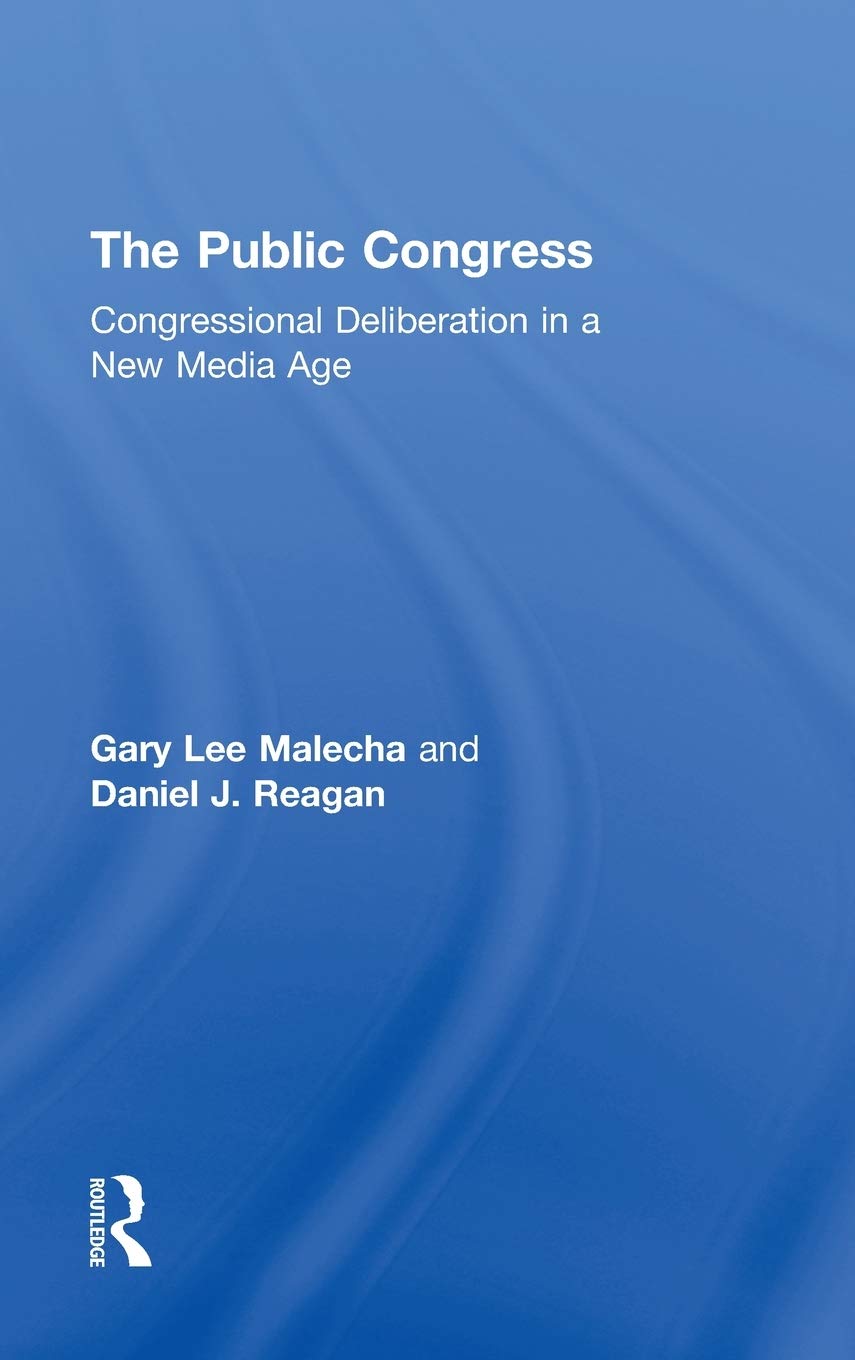
In this review of The Public Congress, the authors Gary Lee Malecha and Daniel J. Reagan examine how media transformed everyday congressional work into a public, mediated process; this book is for readers who want a thoughtful, historically grounded account of the changing relationship between Congress and mass media. The single biggest reason to buy is its clear argument that the rise of a "public" Congress reshaped parties, the Presidency, interest groups, and news organizations, giving readers a coherent framework to understand fifty years of institutional change.
Key Features
- Historical sweep: The book traces media and congressional change across roughly fifty years, helping readers see long-term institutional shifts rather than isolated events.
- Interconnected analysis: It links changes in Congress to effects on political parties, the Presidency, interest groups, and the media, offering a systems-level perspective.
- Focus on media practice: The authors document how cameras, microphones, and online platforms made legislative life increasingly visible, clarifying how practice shapes incentives.
- Practical insights: The book identifies mechanisms by which public visibility alters legislative behavior, useful for students and practitioners of politics.
- Scholarly yet readable: Malecha and Reagan write in a way that balances academic rigor with accessibility for informed general readers.
Who It's For
The Public Congress is best for students of American politics, political journalists, policy analysts, and engaged citizens who want a rigorous explanation of how media exposure changed congressional incentives and institutional interactions. The book suits readers who prefer analytical narratives over polemics and who want to connect media development to institutional consequences.
Readers looking for a play-by-play of individual lawmakers or a narrowly prescriptive handbook for media strategy should look elsewhere; this work emphasizes structural explanation rather than biographies or campaign tactics.
Pros & Cons
Pros
- Provides a cohesive, long-term explanation of why Congress became more publicly oriented.
- Draws clear links between media changes and other political institutions, broadening the book's relevance.
- Balances scholarly analysis with an accessible narrative voice, making complex ideas readable.
Cons
- Not a practical guide for media training or campaign strategy; its focus is explanatory rather than tactical.
Specifications
| Title | The Public Congress |
| Authors | Gary Lee Malecha, Daniel J. Reagan |
| Subject | Congress and media; US legislative politics |
| Scope | Historical and institutional analysis over ~50 years |
| Focus | How media transformed congressional behavior and institutions |
Our Verdict
The Public Congress is a persuasive, well-structured account for anyone wanting to understand how the media remade congressional incentives and institutional relationships; its value is strongest for readers who need a grounded, analytical framework rather than a how-to manual, making it a good investment for students and analysts of American politics.
Frequently Asked Questions
Does this book cover recent online media effects?
Yes; the authors include discussion of online platforms as part of the broader shift that made congressional life more public.
Is the book accessible to nonacademics?
Yes; while scholarly in approach, the writing remains readable for informed general readers and journalists.
Does it offer recommendations for reform?
The book focuses on explanation of causes and effects rather than detailed policy prescriptions, so it is stronger as analysis than as a reform manual.
Editor's Take
The Public Congress offers a persuasive, historically grounded explanation of how media turned Congress into a more public institution; it is especially valuable for students and analysts who want a structural framework rather than practical media advice.

Recently viewed
Recently viewed products will appear here as customers browse the store.