

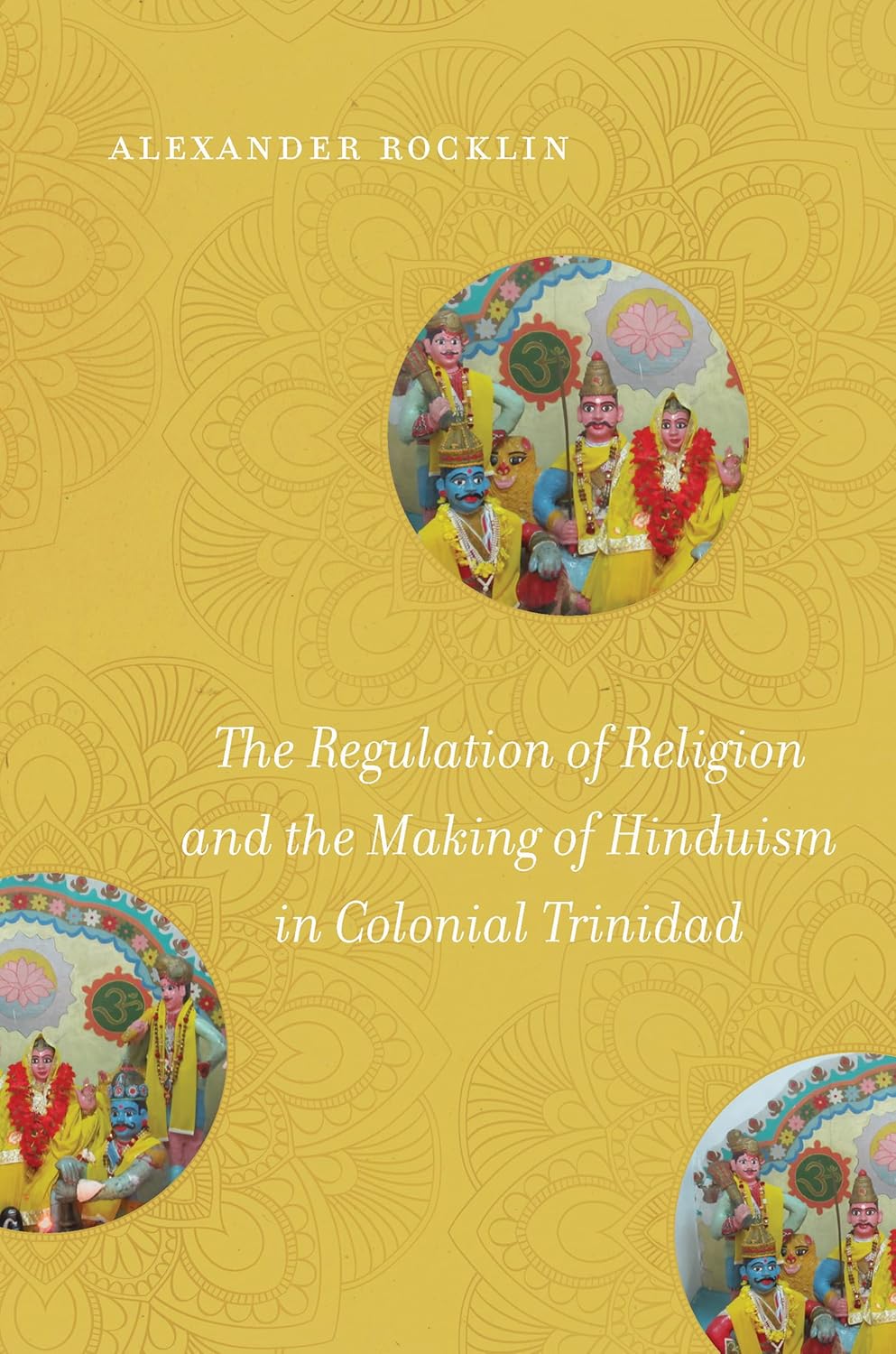
The Regulation of Religion and the Making of Hinduism in Colonial
The Regulation of Religion and the Making of Hinduism in Colonial
Price subject to change. Tap below for current.
Couldn't load pickup availability
In this review of The Regulation of Religion and the Making of Hinduism in Colonial Trinidad, the reviewer recommends this book primarily to historians and students interested in religion, colonial governance, and Caribbean social formation. Alexander Rocklin offers a focused archival study that explains how the category of religion was applied, contested, and ultimately constructed among Indian indentured workers on Trinidad. The book's single biggest contribution is its careful tracing of how everyday ritual practices and colonial legal frameworks combined to produce the modern idea of Hinduism in a diasporic setting.
Key Features
- Archival depth: Extensive use of colonial records provides specific cases of regulation and legal encounters that illuminate how authorities labeled and controlled ritual life.
- Focus on practice: Descriptions of rituals such as walking on hot coals and spirit summoning show how lived practice shaped religious categories on the island.
- Comparative perspective: Attention to interactions between people of South Asian and African descent highlights cross-cultural dynamics that influenced religious identity.
- Legal and social analysis: The book links colonial law and administrative practice to everyday struggles for autonomy among indentured laborers.
- Narrative of identity formation: Rocklin traces how Indian migrants learned to narrate origins, similarities, and differences among themselves, which helped produce a collective category called Hinduism.
Who It's For
This book is best for academic readers, graduate students, and informed general readers who want a rigorous study of religion, law, and migration in the Caribbean. It is particularly helpful for those researching the history of indenture, colonial governance, or the emergence of religious categories in diaspora.
Readers seeking a broad survey of global Hindu traditions or a devotional introduction to practice should look elsewhere; this work is an archival and analytic study rather than a general history or spiritual guide.
Pros & Cons
Pros
- Grounded archival research gives specific, citable instances that strengthen arguments about regulation and identity formation.
- Clear focus on ritual practices provides vivid examples that connect law and lived experience.
- Engages cross-racial and cross-cultural exchanges, enriching understanding of Caribbean religious life.
Cons
- The specialized archival focus may feel dense for casual readers seeking a lighter narrative.
Specifications
| Title | The Regulation of Religion and the Making of Hinduism in Colonial Trinidad |
| Author | Alexander Rocklin |
| Subject | History of religion and colonial regulation in Trinidad |
| Geographic focus | Trinidad and Tobago, Caribbean |
| Primary themes | Indenture, ritual practice, colonial law, identity formation |
| Sources | Colonial archives and administrative records |
Our Verdict
Rocklin's study is a valuable academic contribution that shows how the colonial category of religion was crafted through legal encounters and ritual life. Those studying the Caribbean, indenture, or the history of Hinduism in diaspora will find it especially useful; its archival grounding makes it good value for research and seminar use.
Frequently Asked Questions
Does this book use archival sources?
Yes. The author draws deeply on colonial archives and administrative records to support his arguments.
Is this a general history of Hinduism?
No. It is a focused historical and legal study about the making of the category of Hinduism in colonial Trinidad.
Who benefits most from this book?
Historians, graduate students, and researchers of religion and colonial policy will gain the most from its archival and analytic approach.
Editor's Take
Rocklin's archival study shows how colonial regulation and ritual practice produced the category of Hinduism in Trinidad; ideal for historians and researchers for its detailed sources and analytic clarity.

Recently viewed
Recently viewed products will appear here as customers browse the store.