Regular price
$182.33 USD
Price subject to change. Tap below for current.
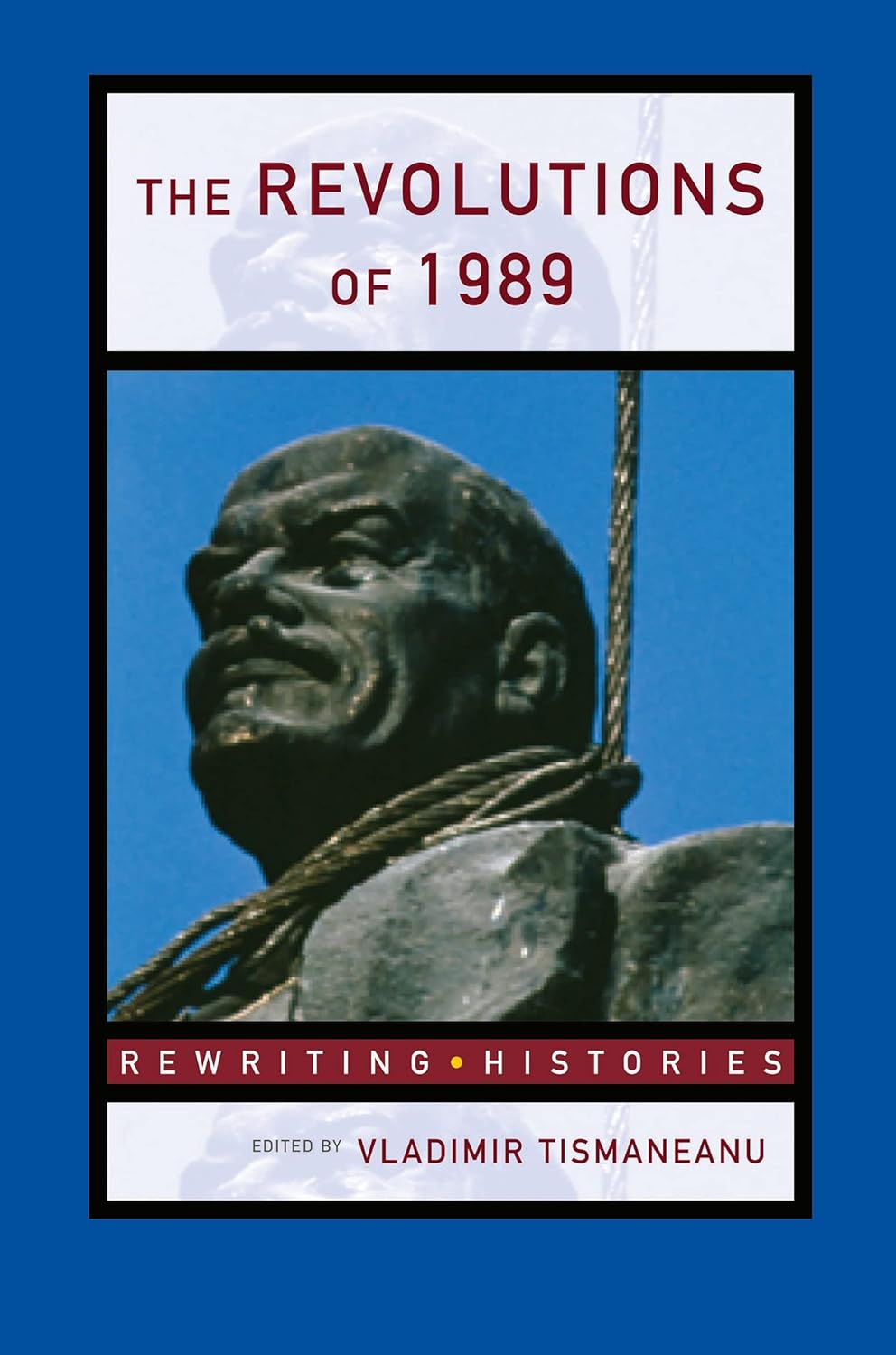
The Revolutions of 1989 is a pivotal work that explores the transformative events that reshaped Eastern Europe. Authored by Vladimir Tismaneanu, this book delves into the political and social upheavals that marked the end of communism in the region. With a keen eye for detail, Tismaneanu provides readers with an in-depth understanding of the historical context surrounding these revolutions.
One of the standout features of this book is its thorough examination of the various movements that emerged during this tumultuous period. Tismaneanu highlights the significance of grassroots activism and the role of civil society in challenging authoritarian regimes. By focusing on the voices of ordinary citizens, the author paints a vivid picture of the struggle for freedom and democracy.
The narrative is not only engaging but also meticulously researched. Tismaneanu draws on a wealth of primary sources, interviews, and archival materials to support his arguments. This rigorous approach ensures that readers are presented with a nuanced perspective on the events of 1989, avoiding oversimplification of complex historical phenomena.
In addition to the detailed analysis, The Revolutions of 1989 also offers insights into the aftermath of these revolutions. Tismaneanu discusses the challenges faced by newly established democracies and the ongoing struggles for political stability in the region. This exploration of the long-term consequences of the revolutions adds depth to the narrative and encourages readers to reflect on the current state of affairs in Eastern Europe.
The book is well-structured, making it accessible to both scholars and general readers. Each chapter focuses on a specific country or event, allowing for a clear understanding of the distinctive characteristics of each revolution. Tismaneanu's writing style is engaging, making complex ideas easy to grasp without sacrificing academic rigor.
Moreover, The Revolutions of 1989 is not just a historical account; it is a call to action. Tismaneanu emphasizes the importance of remembering these events and learning from them as we navigate contemporary political landscapes. The book serves as a reminder of the power of collective action and the enduring quest for human rights and dignity.
In conclusion, The Revolutions of 1989 is an essential read for anyone interested in understanding the dynamics of change in Eastern Europe. Tismaneanu's insightful analysis and compelling storytelling make this book a valuable addition to the library of anyone passionate about history, politics, and social movements.