

The Rise Of Magic In Early Medieval Europe - Scholarly
The Rise Of Magic In Early Medieval Europe - Scholarly
Price subject to change. Tap below for current.
Couldn't load pickup availability
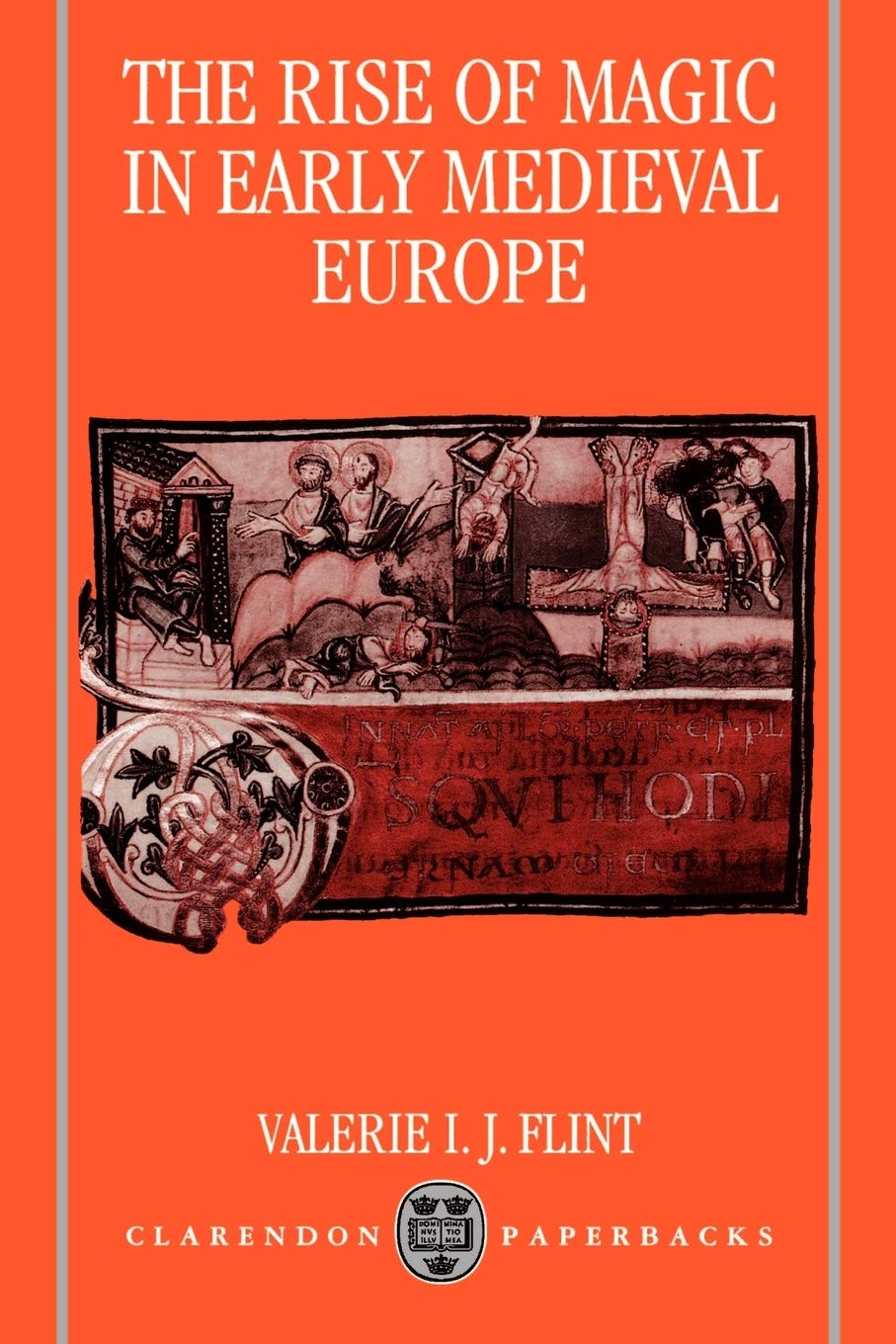
In this review of The Rise Of Magic In Early Medieval Europe the reviewer finds a careful scholarly study best suited to readers interested in how Christian society negotiated magic. Valerie I. J. Flint methodically traces the transition from confrontation to accommodation, showing why some practices were retained and others suppressed. The book is especially valuable for students and researchers who want a measured, historically grounded account rather than sensational claims, and its close readings make it a useful reference for courses in medieval religion and magic studies.
Key Features
- Historical focus: A concentrated study of magic in western Europe during the early Middle Ages that situates beliefs within Christian institutions and social change.
- Analytical approach: Explores how rejection of non-Christian magic was tempered by negotiation and selective acceptance, offering a nuanced interpretation of shifting Church responses.
- Textual analysis: Examines specific forms of magic and superstition to show which practices were retained and which the Church tried to obliterate.
- Contextual explanation: Links later Reformation-era condemnations of superstition to earlier, rational concessions intended to reconcile coexistence between traditions.
- Scholarly tone: Written with academic rigor, making it suitable for coursework, reference and deeper research into medieval religious practice.
Who It's For
This book is ideal for undergraduates, graduate students and scholars in medieval history, religious studies and folklore who need a focused, evidence-based account of magic in early medieval Christian contexts. It also serves readers in occult and paranormal academic fields looking for historical grounding rather than modern reinterpretation.
Readers seeking an introductory or popular overview filled with anecdotes and broad timelines may find the tone dense and narrowly focused; general readers who want a light or illustrated history should look for more accessible surveys.
Pros & Cons
Pros
- Well-researched and tightly argued, providing clear analysis of Church negotiation with local practices.
- Clarifies the origins of later condemnations, showing how many so-called superstitions had rational, conciliatory roots.
- Useful as a reference for courses and research in medieval religion and magic studies.
Cons
- The academic tone and density may limit appeal to casual readers seeking a popular history.
Specifications
| Title | The Rise Of Magic In Early Medieval Europe |
| Author | Valerie I. J. Flint |
| Series | Clarendon Paperbacks |
| Subject | Magic in western Europe; early Middle Ages; Christian society |
| Approach | Historical analysis of practice, belief and Church responses |
| Intended audience | Students, scholars, and researchers in medieval studies |
Our Verdict
The Rise Of Magic In Early Medieval Europe is a compact, authoritative study that rewards readers who need a rigorous, historically grounded account of how Christian institutions negotiated magic. It is good value for students and scholars seeking clear analysis and source-aware interpretation rather than popular summary or sensationalism.
Frequently Asked Questions
Does this book cover the whole of Europe?
It focuses on western Europe during the early Middle Ages, examining developments within Christian society rather than a comprehensive pan-European survey.
Is it suitable for beginners?
It is scholarly in tone and best for readers with some background in medieval or religious studies; beginners may prefer a more general introduction first.
Does the author take a critical stance on 'pagan survivals'?
Yes; Flint analyses the problem critically and argues that many practices labeled as survivals were negotiated and sometimes adopted by the Church.
Editor's Take
A compact, authoritative study that rewards students and scholars seeking a historically grounded account of how Christian institutions negotiated magic; rigorous and good value for research.

Recently viewed
Recently viewed products will appear here as customers browse the store.