

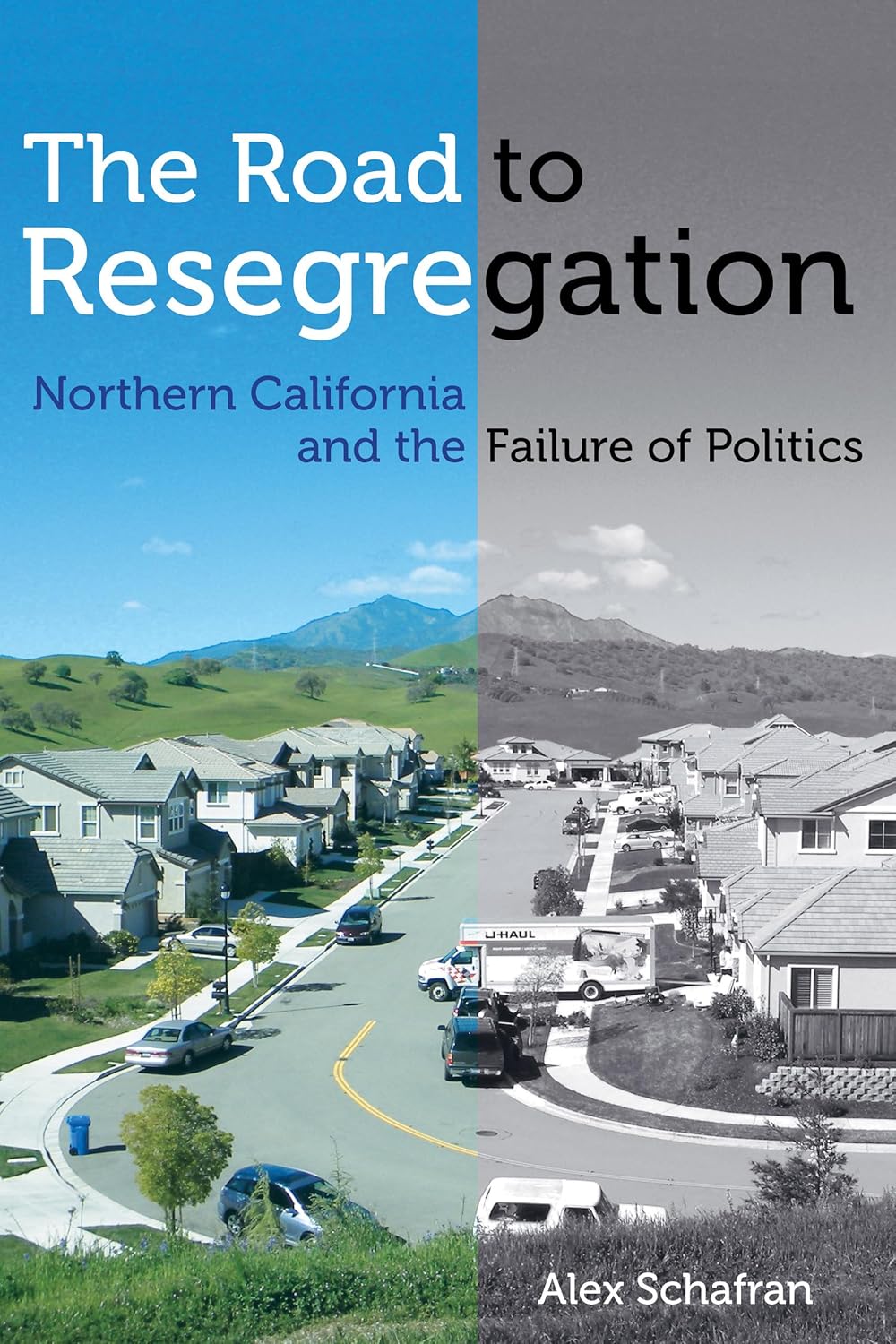
The Road to Resegregation: Northern California and the Failure
The Road to Resegregation: Northern California and the Failure
Price subject to change. Tap below for current.
Couldn't load pickup availability
In this review of The Road to Resegregation, Alex Schafran offers a clear, evidence-driven account of how Northern California's wealth and progressive reputation coexisted with an early foreclosure epicenter and evolving patterns of racialized poverty. Readers interested in urban history, housing policy, and regional politics will find the book's central claim- that institutional fragmentation, NIMBYism, and suburbanization of poverty reshaped communities-both persuasive and urgently relevant. The narrative is aimed at readers who want a critical, place-based study rather than a policy how-to.
Key Features
- Place-based analysis: The book traces how specific Northern California towns and suburbs experienced foreclosure and segregation, making abstract trends tangible to readers.
- Institutional focus: Schafran shows how institutions across local, regional, and state levels contributed to segregated geographies, clarifying responsibility beyond individual actors.
- Political context: The narrative explains tensions between middle class environmentalists and communities of color, helping readers understand political fragmentation in planning.
- Historical continuity: The book connects patterns of segregation from farm towns to suburban expansion, showing how older geographies were reinvented rather than created anew.
- Accessible scholarship: Written for a general audience, the text blends research with reportage so non-specialists can follow complex causes and consequences of resegregation.
- Regional relevance: The focus on Northern California makes the findings especially valuable to planners, students, and residents concerned with local housing outcomes.
Who It's For
Schafran's book is best for readers interested in urban studies, housing policy, and contemporary American history, especially those who want a focused case study rather than a broad national survey. Graduate students, regional planners, and community advocates will gain useful context on how political choices and local resistance shaped unequal outcomes.
Those seeking prescriptive policy toolkits or step-by-step reform plans should look elsewhere; the book excels at diagnosis and explanation rather than offering a detailed menu of policy fixes. Readers outside the United States may find some regional specifics less directly applicable.
Pros & Cons
Pros
- Clear regional storytelling ties economic crisis to long-term political and planning decisions, making complex causes understandable.
- Strong emphasis on institutional responsibility helps move beyond individualistic explanations for segregation.
- Accessible prose balances scholarship and narrative so a general audience can engage with the issues.
Cons
- The book focuses on diagnosis and historical detail more than on specific policy prescriptions for change, which limits its use as a reform manual.
Specifications
| Title | The Road to Resegregation: Northern California and the Failure of Politics |
| Author | Alex Schafran |
| Subject | Regional history, housing policy, segregation |
| Geographic focus | Northern California, including suburban and farm towns |
| Key themes | Foreclosure crisis, suburbanization of poverty, political fragmentation |
| Audience | Students, planners, community advocates, readers of contemporary history |
Our Verdict
For readers who want a nuanced, place-centered explanation of how politics and planning produced renewed segregation in a wealthy, progressive region, Alex Schafran's book is a valuable and well-argued contribution. It delivers strong historical and institutional insight, making it good value for scholars and practitioners who need context even if they must look elsewhere for detailed policy solutions.
Frequently Asked Questions
Does the book focus on policy solutions?
Schafran concentrates on diagnosis and historical explanation rather than laying out a detailed policy agenda.
Is this work academic or journalistic?
The book blends academic research with accessible narrative, intended for both scholars and a general audience interested in regional history.
Which region does the book examine?
The study centers on Northern California, tracing dynamics in suburbs and older farm towns around the Bay Area.
Editor's Take
Alex Schafran's book offers a nuanced, place-based explanation of how politics, planning, and institutional fragmentation produced renewed segregation in Northern California, making it essential reading for students, planners, and advocates seeking contextual insight.

Recently viewed
Recently viewed products will appear here as customers browse the store.