

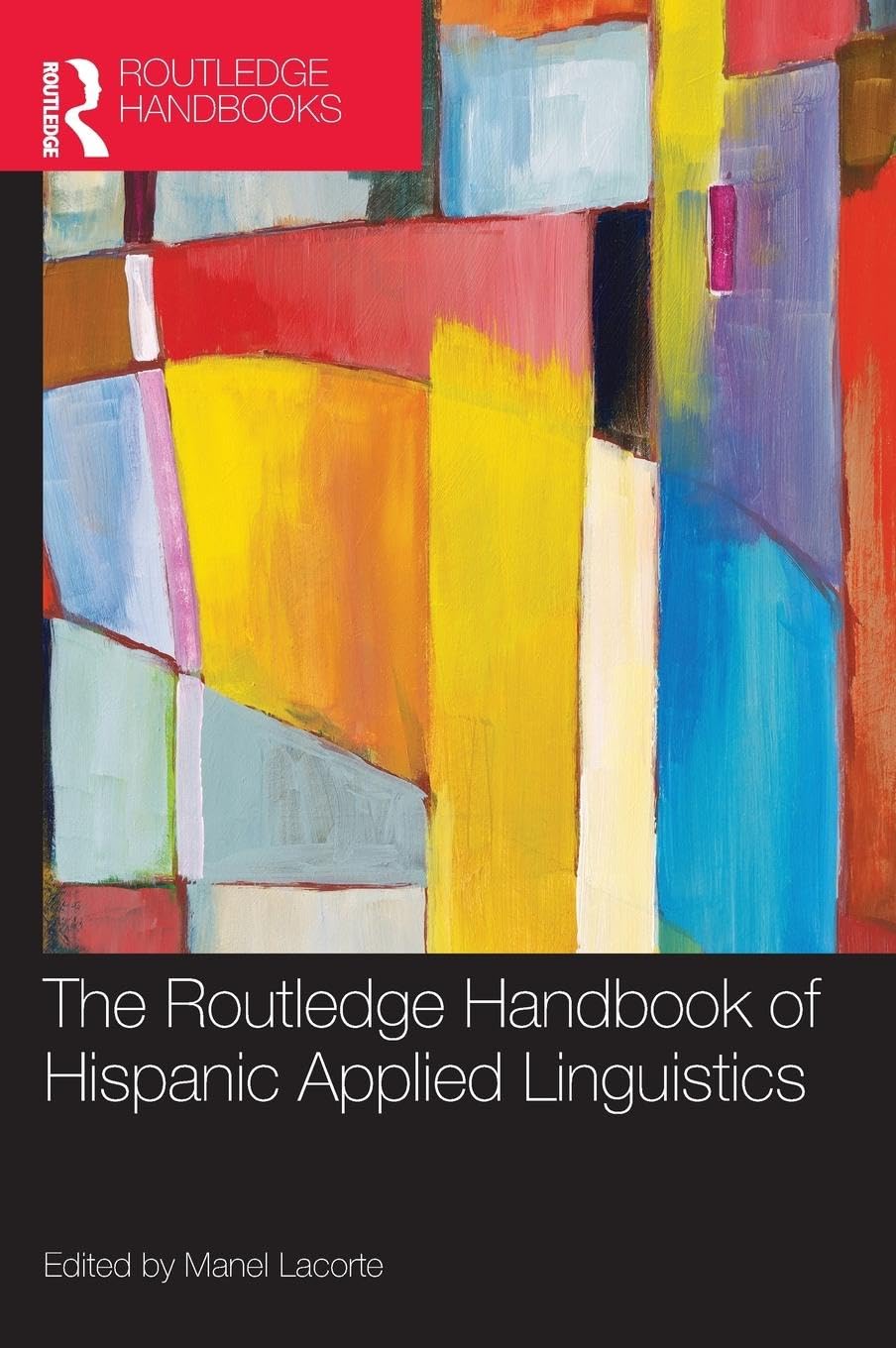
The Routledge Handbook of Hispanic Applied Linguistics - Comprehensive
The Routledge Handbook of Hispanic Applied Linguistics - Comprehensive
Price subject to change. Tap below for current.
Couldn't load pickup availability
In this review of The Routledge Handbook of Hispanic Applied Linguistics, the bottom line is clear: this is a comprehensive reference for advanced students, instructors, and researchers who need a broad, contextualized view of Spanish language issues in real-world settings. The volume repositions applied linguistics as a distinct field rather than merely applied theory, and its five-part structure gives readers immediate access to perspectives on learning, teaching environments, professional uses, discourse studies, and social contexts. For anyone building a syllabus, preparing graduate work, or exploring career paths tied to Spanish, this handbook is a substantial resource.
Key Features
- Comprehensive structure: Organized into five parts, the book offers clear sections on learning Spanish, teaching contexts, professional uses, discourse analysis, and social and political considerations, which helps readers locate material quickly.
- Field recontextualization: The handbook argues that applied linguistics should be considered its own field that addresses language-based problems in real-world contexts, providing a conceptual shift useful for course design and research framing.
- Practical focus: By highlighting Spanish in the professions and teaching environments, the book connects theoretical insight to career and program development, aiding students who plan applied work.
- Multiple perspectives: Chapters present varied viewpoints on learning Spanish, accommodating classroom, institutional, and societal lenses that benefit both instructors and graduate students.
- Reference utility: The handbook serves as a ready reference for topics ranging from classroom issues to sociopolitical contexts for Spanish, useful for quick consultation when preparing lectures or proposals.
- Educational insight: The emphasis on professional opportunities for Spanish graduates makes the book a practical guide for advising and curriculum planning.
Who It's For
The Routledge handbook is aimed at advanced undergraduates, graduate students, program directors, and applied linguistics researchers who need a cross-cutting reference that connects theory, pedagogy, and professional practice. Instructors designing upper-level courses or graduate seminars will find the sectional organization convenient for assembling reading lists.
It is less well suited for casual learners or beginning language students seeking practice-based activities or basic grammar drills; those audiences should look to classroom textbooks and skill-focused workbooks rather than this scholarly handbook focused on Spanish in the professions and research contexts.
Pros & Cons
Pros
- Wide-ranging coverage across five clear parts makes it a strong reference for research and course planning.
- Emphasis on real-world contexts gives practical value beyond pure theory.
- Useful for advising students on professional pathways connected to Spanish language studies.
Cons
- Not designed as a beginner textbook or skills workbook, so it may feel theoretical for novices.
Specifications
| Title | The Routledge Handbook of Hispanic Applied Linguistics |
| Series | Routledge Handbooks in Applied Linguistics |
| Editor / Author | Manel Lacorte |
| Organization | Five parts covering learning, teaching, professions, discourse, and social contexts |
| Audience | Students, instructors, and researchers in Hispanic applied linguistics |
| Focus | Re-contextualizing applied linguistics for real-world language issues |
Our Verdict
The Routledge handbook is a substantial, well-organized reference that rewards readers who need a scholarly, practice-oriented view of Hispanic applied linguistics. Instructors, program directors, and graduate students will find it good value for framing research and curriculum around issues and environments in Spanish teaching and for exploring career-related topics connected to Spanish language programs.
Frequently Asked Questions
Does this book focus on classroom activities?
The handbook emphasizes conceptual and contextual issues rather than step-by-step classroom activities, so it is best used alongside teaching materials for practical lesson plans.
Who edited the volume?
The book is edited by Manel Lacorte and assembled as part of the Routledge Handbooks in Applied Linguistics series.
Is this suitable for advising students about careers?
Yes; the section on Spanish in the professions specifically addresses professional opportunities for graduates and is useful for career advising.
Editor's Take
A substantial, well-organized reference for instructors, program directors, and graduate students that reframes applied linguistics for real-world Spanish teaching and professional contexts and offers strong value for research and curriculum planning.

Recently viewed
Recently viewed products will appear here as customers browse the store.