

The Science of String Instruments - Clear, Accessible Guide
The Science of String Instruments - Clear, Accessible Guide
Price subject to change. Tap below for current.
Couldn't load pickup availability
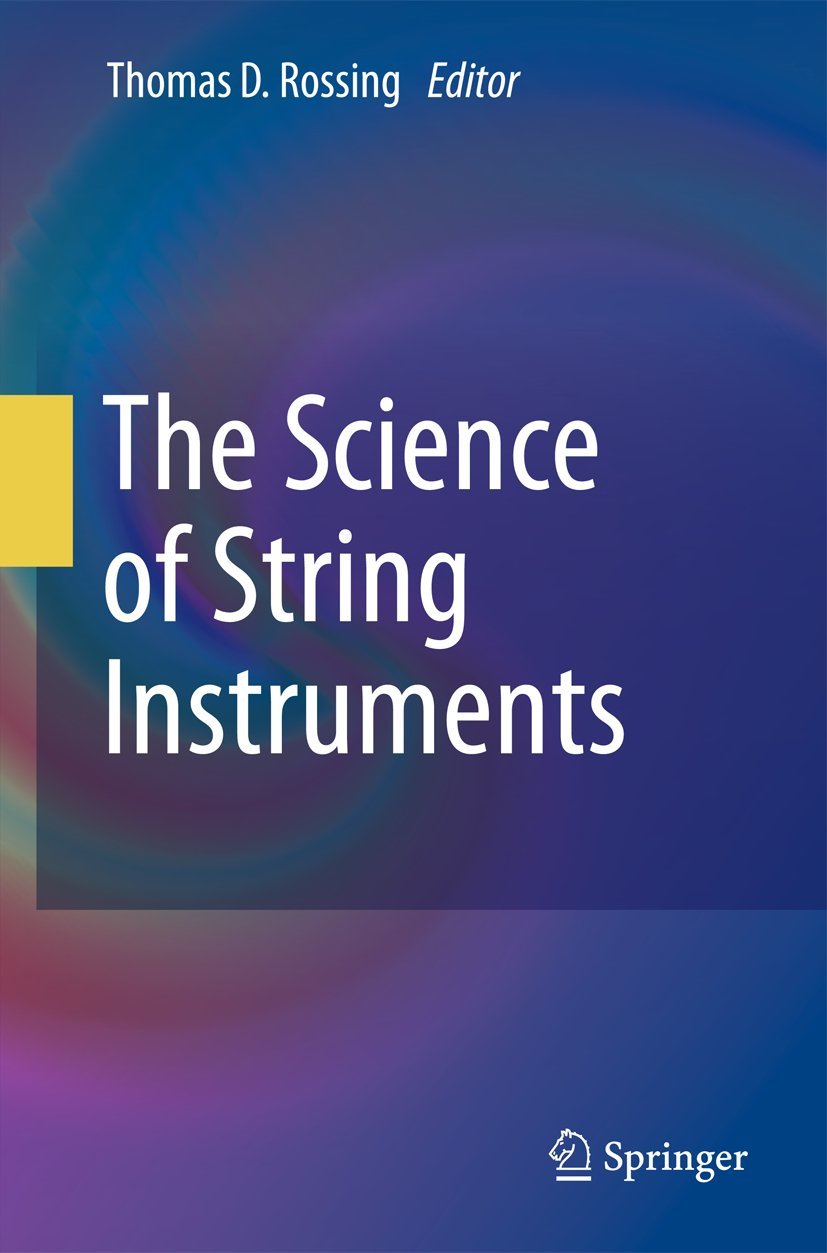
In this review of The Science of String Instruments, the bottom line is simple: this book is for musicians, instrument makers, and curious listeners who want an accessible, scientifically grounded look at how plucked, bowed, and hammered string instruments produce sound. The collection brings together author Thomas D. Rossing and contributing writers to explain the physics behind guitars, violins, and pianos without heavy mathematics, making it a useful reference for performers and educators who want practical insight rather than dense theory.
Key Features
- Comprehensive scope: The book covers plucked, bowed, and hammered string instruments as well as electronic counterparts, giving readers a broad understanding across families of instruments.
- Accessible approach: Authors emphasize explanation with a minimum of mathematics, which benefits readers who want concepts and applications rather than formal proofs.
- Practical relevance: Discussions address how instruments function in ensembles and as solo instruments, useful for performers and teachers.
- Cross-cultural perspective: Content acknowledges that string instruments appear in almost all musical cultures, broadening the reader's context beyond Western orchestral norms.
- Instrument variety: Specific attention to bowed strings, guitars, and piano gives targeted insight into the instruments most musicians encounter regularly.
Who It's For
The Science of String Instruments is aimed at intermediate to advanced musicians, instrument builders, acousticians, and music students who want clear explanations of how stringed instruments produce tone and behave in ensemble settings. The light use of mathematics makes it approachable for readers with limited formal physics background.
Readers seeking a step-by-step laboratory manual or a highly mathematical treatment should look elsewhere; this book is deliberately written to prioritize narrative and applied explanation over rigorous derivations and exhaustive formulas.
Pros & Cons
Pros
- Wide coverage of plucked, bowed, and hammered instruments offers a single reference for several instrument families.
- Readable writing minimizes heavy math, improving accessibility for nontechnical readers.
- Useful practical context about orchestral and solo roles helps musicians apply the concepts.
Cons
- Not a substitute for a full technical acoustics textbook for those seeking rigorous mathematical treatment.
Specifications
| Title | The Science of String Instruments |
| Primary author | Thomas D. Rossing |
| Instrument focus | Plucked, bowed, hammered, and electronic string instruments |
| Style | Explanatory, minimal mathematics |
| Audience | Musicians, instrument makers, educators |
| Scope | Cross-cultural and orchestral contexts |
Our Verdict
The Science of String Instruments is a valuable, well-paced reference for performers, teachers, and instrument builders who want practical scientific insight without wading through heavy mathematics. It is good value for readers who need clear explanations of how guitars, violins, and pianos produce sound and function in ensemble settings, though specialists seeking rigorous theoretical derivations may prefer a more technical text.
Frequently Asked Questions
Does this book require advanced physics knowledge?
No, the authors deliberately minimize mathematics so readers with limited physics background can follow the concepts.
Which instruments are covered in detail?
The book addresses plucked instruments like guitar, bowed instruments common to orchestras, the piano as a hammered instrument, and electronic counterparts.
Is it suitable for instrument makers?
Yes, instrument builders and luthiers will find practical discussions about sound production and instrument behavior useful for design and repair decisions.
Editor's Take
The Science of String Instruments is a practical, accessible overview of how plucked, bowed, and hammered instruments produce sound, ideal for musicians, educators, and instrument makers who want clear scientific insight without heavy mathematics.

Recently viewed
Recently viewed products will appear here as customers browse the store.