Regular price
$109.99 USD
Price subject to change. Tap below for current.
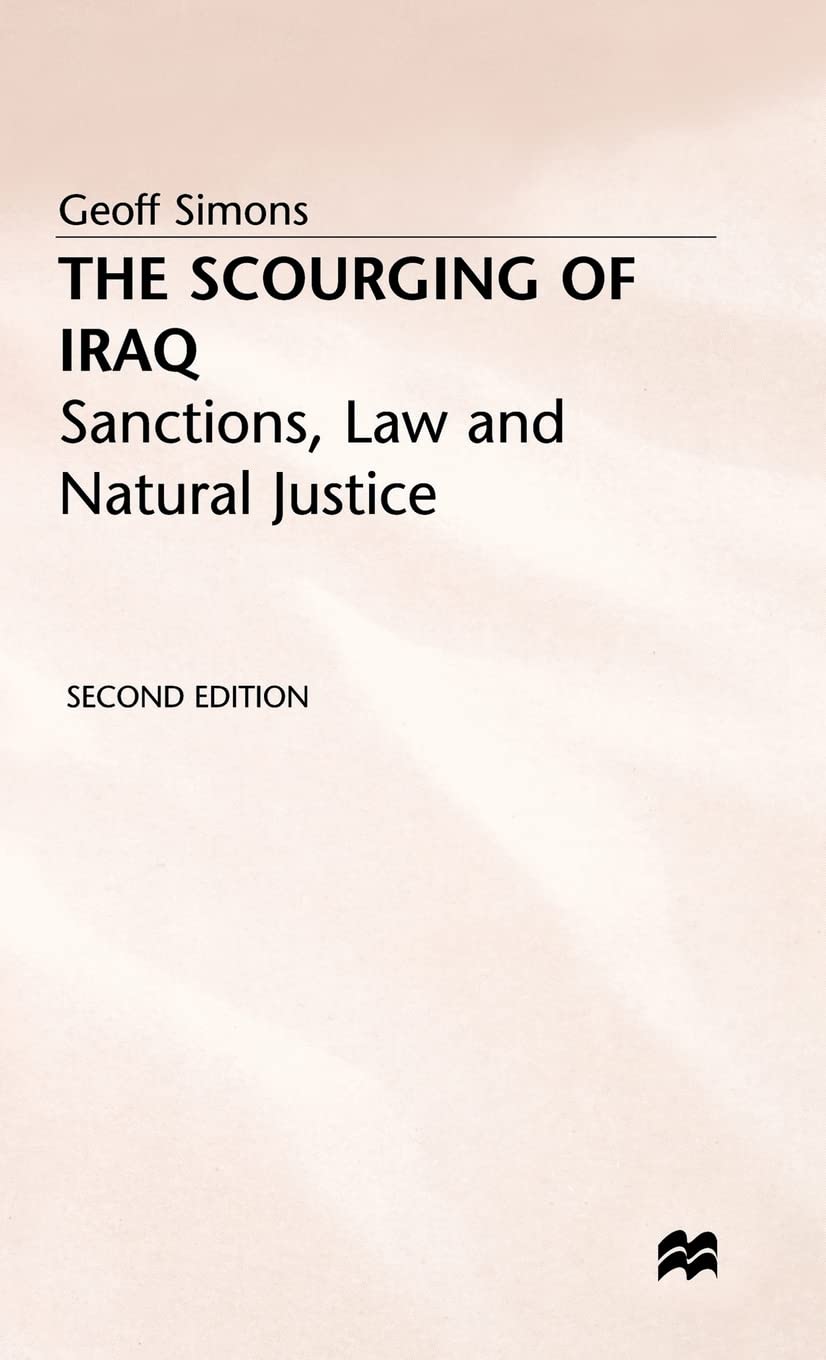
The book The Scourging of Iraq by G. Simons provides a profound exploration of the impact of sanctions on Iraq. It delves into the legal frameworks that have shaped international responses to crises, particularly focusing on the humanitarian implications of these actions. This insightful work is essential for anyone interested in understanding the complex interplay between sanctions, law, and justice.
Simons meticulously examines the historical context surrounding the sanctions imposed on Iraq, offering readers a comprehensive overview of the political motivations behind these decisions. The author argues that these measures often lead to devastating consequences for the civilian population, raising critical questions about natural justice and the ethical responsibilities of nations.
Throughout the book, readers will find a detailed analysis of the legal arguments used to justify sanctions. Simons challenges the notion that such actions are always justified, highlighting the need for a more nuanced understanding of international law and its application in real-world scenarios. The text is rich with case studies that illustrate the human cost of these policies.
One of the standout features of this book is its ability to engage with complex legal concepts while remaining accessible to a broader audience. Simons uses clear language and provides context for readers who may not have a legal background, making it an invaluable resource for students, scholars, and activists alike. The discussion around human rights violations is particularly poignant, as it underscores the moral implications of sanctions.
In addition to its legal analysis, The Scourging of Iraq also offers a critical perspective on the role of the media in shaping public perception of the sanctions. Simons argues that media narratives often fail to capture the full extent of the humanitarian crisis, leading to a lack of accountability for those who impose such measures. This aspect of the book is crucial for understanding the broader implications of political decisions on global health and welfare.
As readers progress through the chapters, they will encounter a wealth of data and statistics that support Simons' arguments. The author does not shy away from presenting uncomfortable truths, making this book a powerful tool for advocacy and change. The call for a reevaluation of sanction policies is both timely and necessary, as the world grapples with ongoing conflicts and humanitarian crises.
In conclusion, The Scourging of Iraq is a compelling read that challenges conventional wisdom about sanctions and their effects. G. Simons has crafted a work that is not only informative but also deeply thought-provoking, urging readers to consider the ethical dimensions of international law and its impact on vulnerable populations.