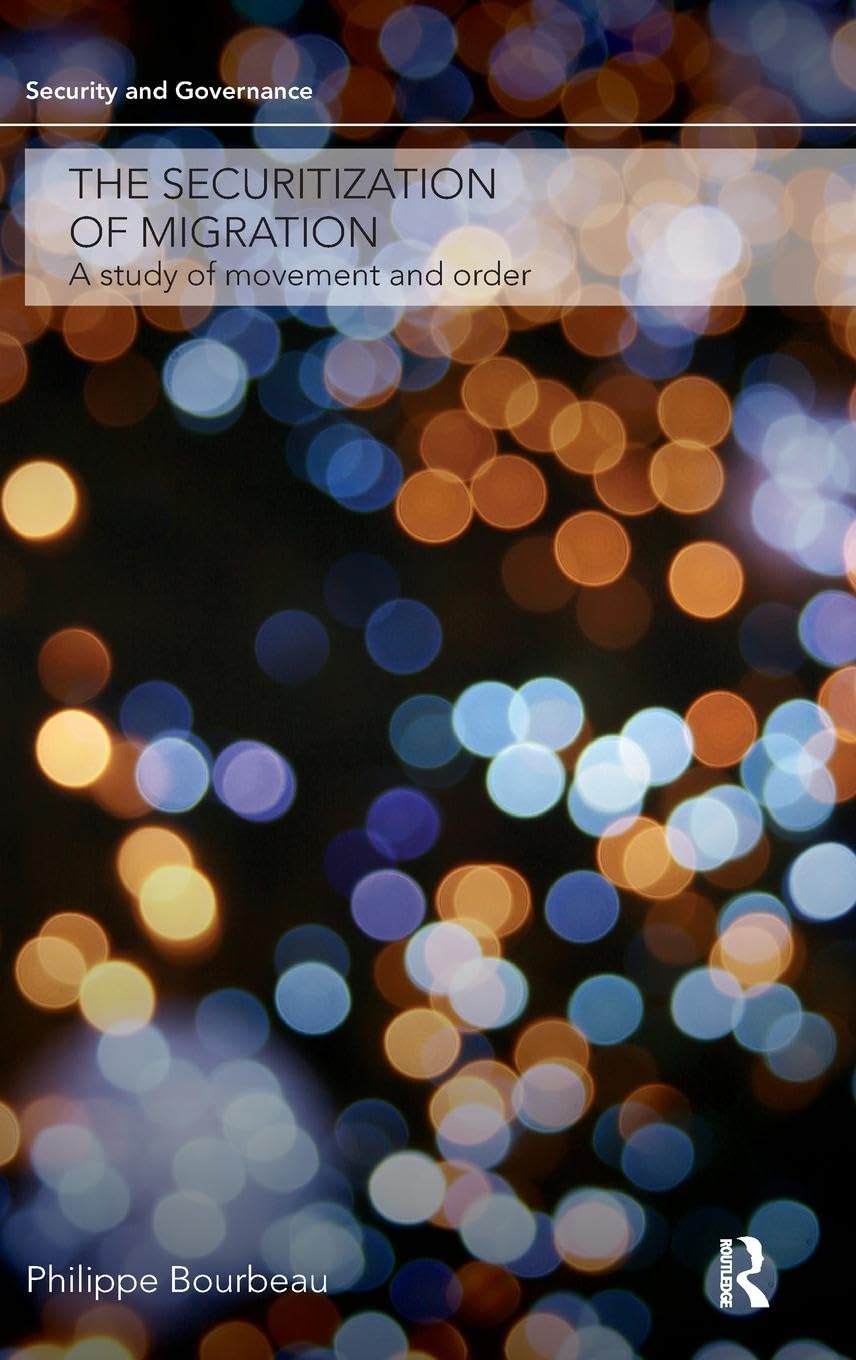
The Securitization of Migration: Understanding Security and Governance
The Securitization of Migration: Understanding Security and Governance
Price subject to change. Tap below for current.
Couldn't load pickup availability
The securitization of migration has become a critical topic in contemporary political discourse. As nations grapple with the complexities of migration, the implications for security and governance are profound. This book delves into the intricate relationship between migration policies and national security, offering a comprehensive analysis of how these two domains intersect.
Philippe Bourbeau's work provides an in-depth exploration of the security implications of migration, highlighting how states often frame migration as a security threat. This perspective not only influences public perception but also shapes policy decisions that can have far-reaching consequences for migrants and host societies alike.
Through a series of case studies, the author examines various national contexts where migration has been securitized. The book illustrates how different governments respond to migration challenges, often prioritizing national security over humanitarian considerations. This approach raises ethical questions about the treatment of migrants and the responsibilities of states.
One of the key themes in the book is the role of governance frameworks in managing migration. Bourbeau argues that effective governance is essential for addressing the root causes of migration and ensuring the protection of human rights. By analyzing existing governance structures, the author identifies gaps and opportunities for improvement.
The book also discusses the impact of international relations on migration policies. In an increasingly interconnected world, the global governance of migration is crucial for fostering cooperation among states. Bourbeau emphasizes the need for collaborative approaches that transcend national borders to address the challenges posed by migration.
Moreover, the author critically assesses the rhetoric surrounding migration and security. The framing of migrants as threats can lead to stigmatization and discrimination, which further complicates the integration process. By challenging these narratives, Bourbeau advocates for a more nuanced understanding of migration that recognizes its potential benefits.
In conclusion, 'The Securitization of Migration' is an essential read for anyone interested in the intersection of migration, security, and governance. Bourbeau's insightful analysis provides valuable perspectives on how to navigate the complexities of migration in a way that respects human dignity while addressing legitimate security concerns. This book is a significant contribution to the field and is sure to provoke thought and discussion among scholars, policymakers, and practitioners alike.
Share