

The Seismic Analysis Code - Complete SAC Guide for Practitioners
The Seismic Analysis Code - Complete SAC Guide for Practitioners
Price subject to change. Tap below for current.
Couldn't load pickup availability
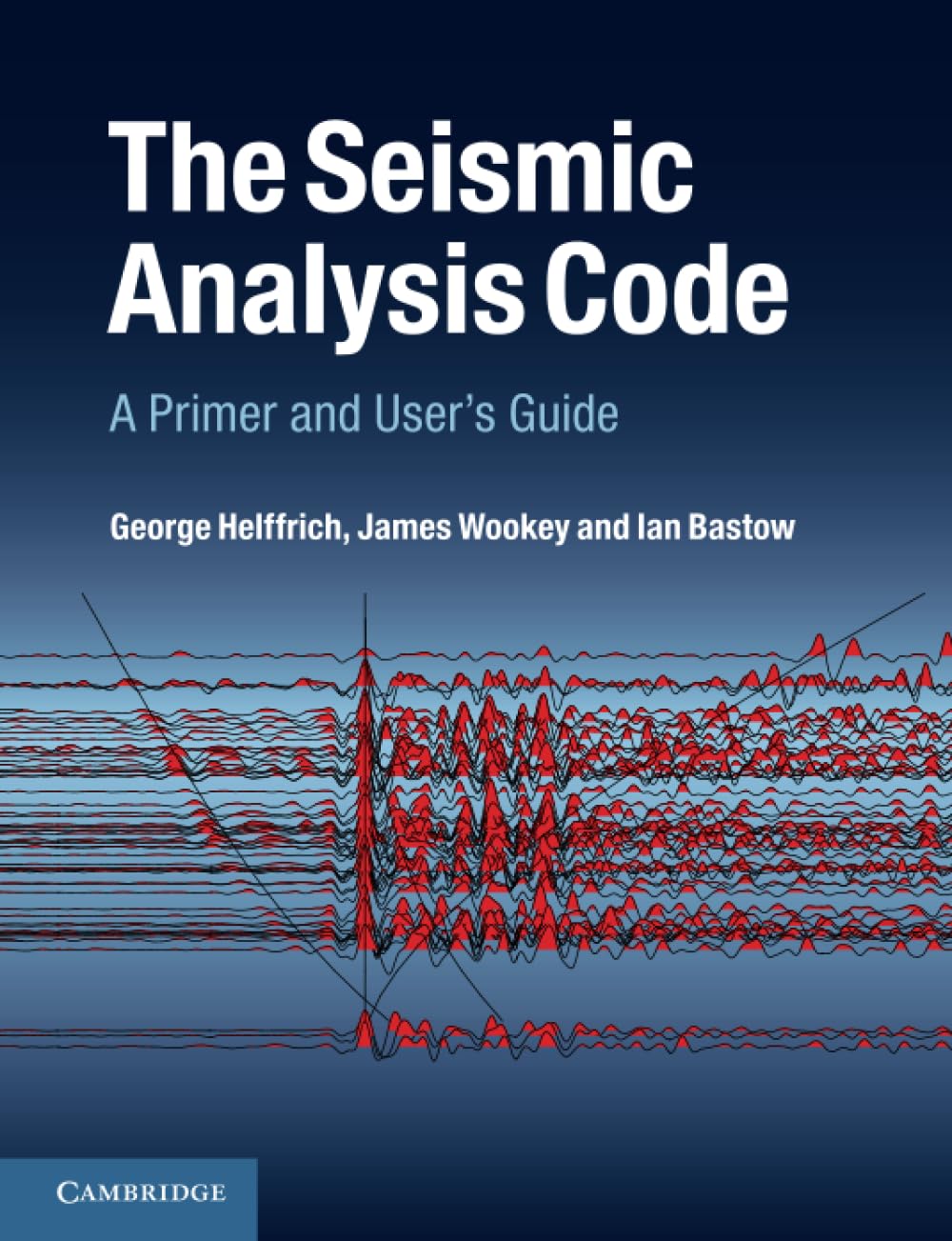
In this review of The Seismic Analysis Code, the book is judged as the definitive practical guide to SAC for both new and experienced users; its single biggest reason to buy is that it combines stepbystep command instruction with detailed explanations of SAC's inner workings so readers can move from basic tasks to scripting and custom file access. Written as a handson manual rather than a theoretical text, it is best for researchers, graduate students and technicians who need to process regional and teleseismic seismic data with a single, compact reference.
Key Features
- Complete SAC coverage: Walks new users through basic commands and common workflows so beginners can start processing data quickly.
- Macro language explained: Presents SAC's macro language in full with examples so readers can automate repetitive processing and build routines.
- Hidden features revealed: Describes less obvious capabilities such as advanced graphics options and internal file structure to expand what experienced users can do.
- Practical examples: Includes example inputs and outputs that demonstrate typical teleseismic and regional processing steps for direct application to real data.
- Tutorial exercises: Provides exercises with data and code so learners can practice methods and confirm their results while building skill.
- Program interfacing guidance: Explains how to write independent programs to access and create SAC files, aiding integration into larger workflows.
Who It's For
The Seismic Analysis Code is aimed squarely at geophysicists, graduate students and field practitioners who need a single manual to learn SAC commands, the macro language and practical processing techniques for regional and teleseismic datasets. The book is particularly useful for those who prefer handson examples and stepwise tutorials to learn software.
Those looking for a purely theoretical treatment of seismic wave propagation or a general textbook on seismology should look elsewhere; this work focuses on using SAC as a processing and scripting tool rather than on developing seismic theory.
Pros & Cons
Pros
- Thorough command coverage makes it easy for novices to follow and reproduce processing steps.
- Examples and tutorial exercises reinforce learning and provide ready templates for real projects.
- Advanced sections on graphics and file structure give experienced users new capabilities and integration tips.
Cons
- Because it focuses on SAC usage and macros, readers seeking deep theoretical background in seismology will need a complementary textbook.
Specifications
| Title | The Seismic Analysis Code |
| Author / Brand | George Helffrich |
| Scope | Regional and teleseismic seismic data processing |
| Contents | Basic commands, macro language, graphics, file structure, tutorials |
| Includes | Example inputs and outputs plus tutorial exercises with data and code |
| Audience | Introductory to advanced SAC users |
Our Verdict
The Seismic Analysis Code is a practical, wellstructured manual that delivers excellent value for anyone who uses SAC: beginners gain a clear pathway into command usage and automation, while experienced users benefit from indepth notes on graphics, file structure and interfacing. Buy it as your working reference if your workflow depends on reliable, repeatable SAC processing.
Frequently Asked Questions
Does this book teach SAC from the beginning?
Yes. It leads new users through basic commands and the processing philosophy so beginners can start using SAC effectively.
Are there practical examples and code included?
Yes. The book supplies example inputs, outputs and tutorial exercises with data and code for handson learning.
Is this a theoretical seismology textbook?
No. It focuses on SAC usage, macros and file handling rather than on seismic theory, so pair it with theory texts if needed.
Editor's Take
The Seismic Analysis Code is a practical, wellstructured manual that helps beginners learn SAC commands and macros while giving experienced users detailed guidance on graphics, file structure and program interfacing; buy it as a working reference if you depend on SAC processing.

Recently viewed
Recently viewed products will appear here as customers browse the store.