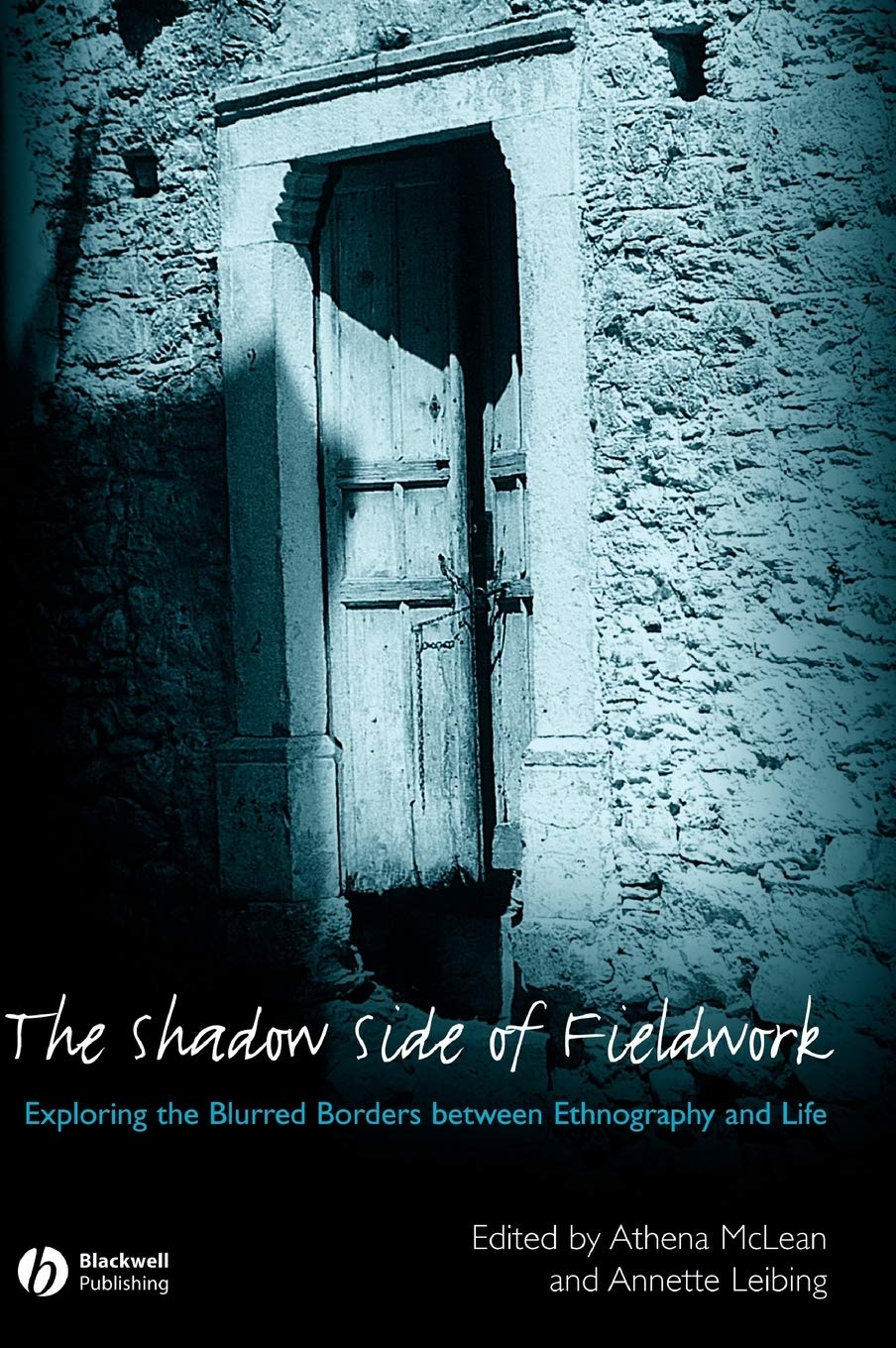
The Shadow Side of Fieldwork: Ethnography and Life Explored
The Shadow Side of Fieldwork: Ethnography and Life Explored
Price subject to change. Tap below for current.
Couldn't load pickup availability
The Shadow Side of Fieldwork is an insightful exploration of the complexities of ethnography and its intersection with everyday life. This book delves into the often-overlooked aspects of fieldwork, providing readers with a nuanced understanding of the challenges faced by ethnographers. The authors, Athena McLean and Annette Leibing, bring their extensive experience to the table, offering a rich narrative that is both engaging and informative.
One of the key themes of this book is the blurred boundaries that exist between the researcher and the subjects of their study. McLean and Leibing argue that these boundaries are not just theoretical but have real implications for the practice of ethnography. By examining various case studies, the authors illustrate how personal experiences can shape research outcomes, making it essential for ethnographers to reflect on their positionality.
In addition to discussing the theoretical aspects, The Shadow Side of Fieldwork also addresses the emotional toll that fieldwork can take on researchers. The authors candidly share their own experiences, highlighting the moments of doubt and vulnerability that often accompany the research process. This honesty adds a layer of depth to the narrative, making it relatable for both seasoned ethnographers and those new to the field.
The book also emphasizes the importance of ethical considerations in ethnographic research. McLean and Leibing challenge readers to think critically about their responsibilities towards their subjects and the potential impact of their work. This discussion is particularly relevant in today's world, where issues of representation and consent are at the forefront of academic discourse.
Furthermore, The Shadow Side of Fieldwork encourages a reflexive approach to research. The authors advocate for ethnographers to engage in self-reflection and to be aware of how their own backgrounds and biases can influence their work. This call for reflexivity is not just a theoretical concept but a practical tool that can enhance the quality of ethnographic research.
In conclusion, The Shadow Side of Fieldwork is a must-read for anyone interested in the field of ethnography. It offers a comprehensive look at the interplay between research and life, providing valuable insights that can inform both practice and theory. Whether you are a student, a researcher, or simply curious about the world of ethnography, this book will challenge your perceptions and deepen your understanding of the field.
Share