

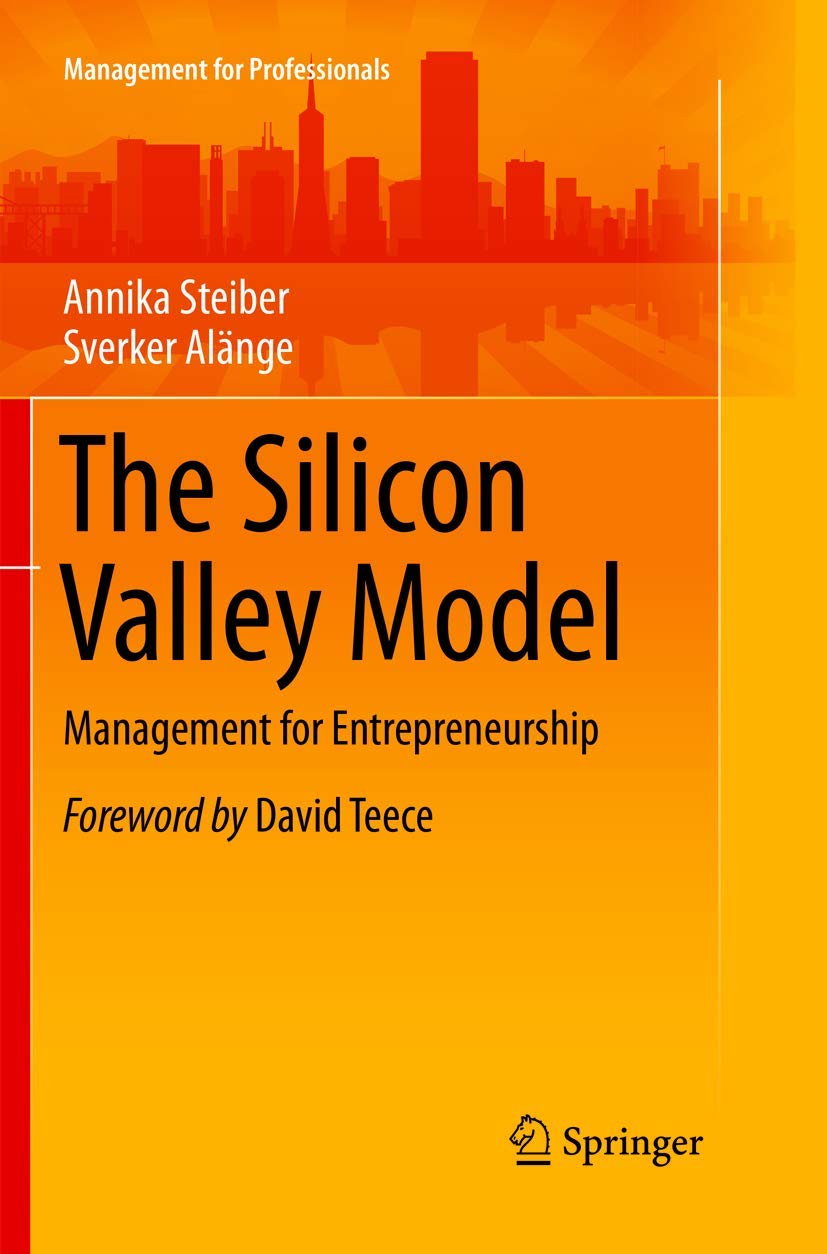
The Silicon Valley Model: Management for Entrepreneurship - New
The Silicon Valley Model: Management for Entrepreneurship - New
Price subject to change. Tap below for current.
Couldn't load pickup availability
In this review of The Silicon Valley Model: Management for Entrepreneurship, the bottom line is clear: this book is for leaders and managers who want a practical synthesis of modern, innovation-focused management practices. Drawing on a year-long study of Google's approaches and parallels at Facebook, LinkedIn, Twitter, Tesla Motors and Apigee, the authors present a coherent model aimed at helping established firms become more entrepreneurial. Readers looking for evidence-based, organizational guidance will find the book valuable; those seeking detailed step-by-step playbooks or case-level operational templates should temper expectations.
Key Features
- Research-based synthesis: The book distills findings from a year-long study of Google's management practices into transferable principles for other firms.
- Cross-company comparison: It highlights similar approaches at other innovative firms to show which principles work across contexts.
- Focus on entrepreneurship: The model emphasizes ways for established companies to remain entrepreneurial and sustain continuous innovation.
- Talent attraction lens: The authors explain how a modern management model better attracts and energizes entrepreneurial talent compared with industrial-age systems.
- Future-ready orientation: It argues that migrating to this management model is essential for companies that want to compete in an innovation economy.
Who It's For
The Silicon Valley Model is best suited to senior leaders, HR executives, innovation managers and consultants who need a research-informed framework to rethink organizational design and talent practices. It works well as a strategic guide for leaders in technology, product-driven firms, and industries facing rapid disruption.
It is less appropriate for readers expecting prescriptive, step-by-step operations manuals or detailed implementation checklists. Small startups that already follow lean, experimental management routines may find parts of the book confirmatory rather than transformative.
Pros & Cons
Pros
- Grounded in a year-long study, offering credibility to its recommendations.
- Uses cross-company examples to demonstrate principles that scale beyond a single firm.
- Clearly links management model change to talent attraction and sustained innovation.
Cons
- Offers synthesis and high-level guidance rather than detailed implementation playbooks.
Specifications
| Title | The Silicon Valley Model: Management for Entrepreneurship |
| Authors | Annika Steiber, Sverker Alange |
| Focus | Management model for innovation and entrepreneurship |
| Study basis | Year-long study of Google and similar firms |
| Relevant companies cited | Google, Facebook, LinkedIn, Twitter, Tesla Motors, Apigee |
| Intended audience | Leaders, managers, HR and innovation professionals |
Our Verdict
The Silicon Valley Model is a thoughtful, research-backed guide for organizations that need to evolve beyond industrial-age management toward continuous innovation. Its synthesis of practices from leading tech firms makes it good value for strategic leaders and HR professionals seeking to attract entrepreneurial talent, though implementation teams will need to translate the principles into local, tactical plans.
Frequently Asked Questions
Does this book include examples from real companies?
Yes, it draws on a year-long study of Google and notes similar principles at Facebook, LinkedIn, Twitter, Tesla Motors and Apigee.
Is the book practical for implementation?
It provides a strategic model and principles; readers should expect to adapt the ideas into operational steps for their organization.
Who benefits most from reading this book?
Senior leaders, HR managers and innovation professionals seeking a research-based framework for becoming more entrepreneurial will benefit most.
Editor's Take
The Silicon Valley Model is a research-backed guide for leaders and HR professionals seeking to move from industrial-age management to continuous innovation; valuable strategically though it requires local adaptation for implementation.

Recently viewed
Recently viewed products will appear here as customers browse the store.