

The Spruce Genome Compendium of Plant Genomes - Expert
The Spruce Genome Compendium of Plant Genomes - Expert
Price subject to change. Tap below for current.
Couldn't load pickup availability
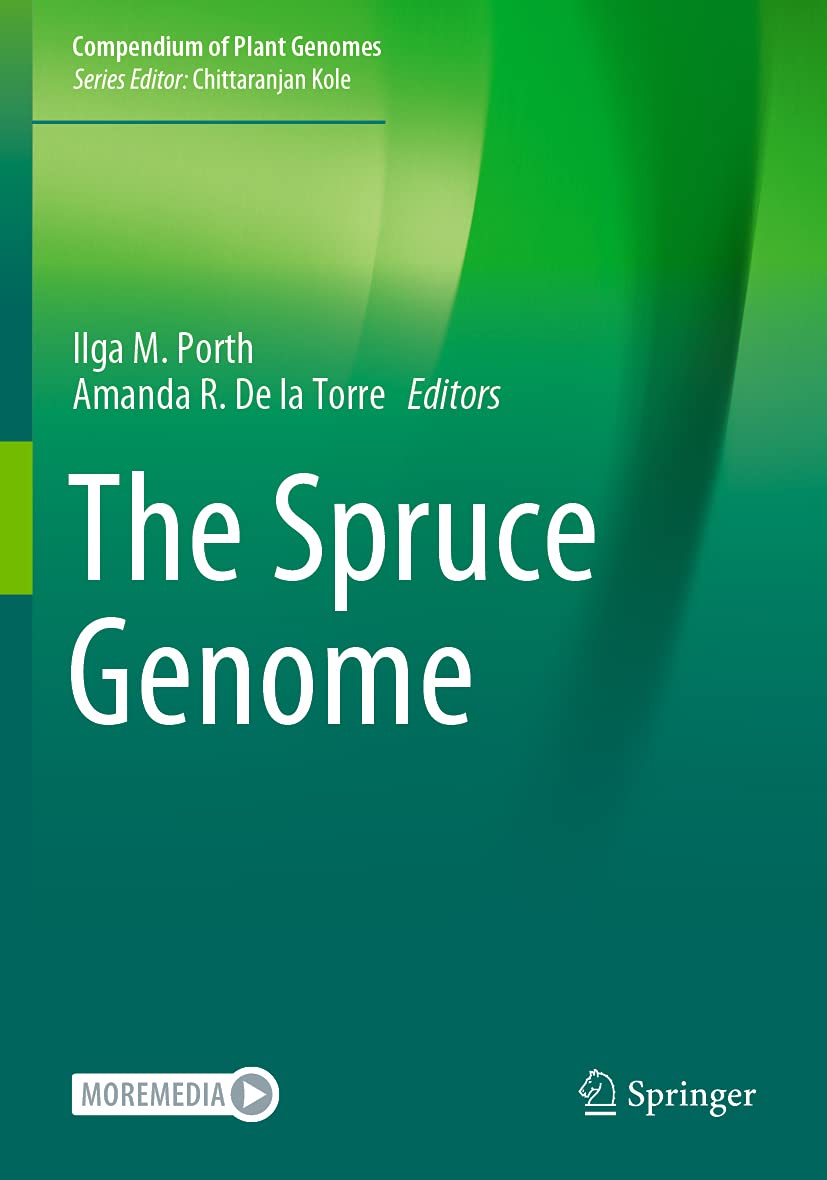
In this review of The Spruce Genome Compendium of Plant Genomes, the reviewer finds a focused, scholarly resource aimed at researchers and advanced students interested in conifer genomics. The single biggest reason to buy is that it compiles the current understanding of spruce (Picea spp.) genome structure and the ongoing efforts to assemble and interpret an unusually large, 20-gigabase genome. The book is presented as a technical compendium rather than an introductory text, and it serves best as a reference for conservation geneticists, forest biologists and breeders who need concentrated material on repetitive sequences, gene family expansions and genomic challenges specific to spruces.
Key Features
- Comprehensive genomic focus: Presents a concentrated overview of spruce genomics, including the implications of a 20-gigabase Norway spruce draft assembly first published in Nature in 2013.
- Discussion of assembly challenges: Details how high amounts of repetitive sequences and transposable elements complicate genome assembly for conifers, which benefits readers seeking technical context.
- Conifer gene family insight: Explores large gene family expansions related to abiotic stress, secondary metabolism and defense responses, useful for applied genetics and breeding work.
- Conservation and management perspective: Frames genomic information in the context of forest genetic resource management and tree improvement priorities.
- Scholarly reference format: Suits citation and background sections in research papers or grant proposals where concise, genome-specific detail is needed.
Who It's For
The Spruce Genome is aimed squarely at researchers, graduate students and professionals in forestry, plant molecular biology and conservation genetics who need a detailed, genome-level perspective on Picea spp. It is valuable for those designing experiments, interpreting assembly data or planning breeding programs that must account for repetitive elements and large gene families.
It is less suitable for casual readers, gardeners or early undergraduates seeking an accessible introduction to tree biology; they should look for more general plant biology or dendrology texts instead. The book assumes prior knowledge of genomics terminology and assembly methodology.
Pros & Cons
Pros
- Consolidates specialist information about the Norway spruce 20-gigabase genome into one reference.
- Provides clear coverage of assembly limitations caused by repetitive sequences and transposable elements.
- Connects genomic features with practical concerns in conservation and tree improvement.
Cons
- Content is highly technical and not written for beginners or a general audience.
- The focus on genomics means ecological or silvicultural topics receive less standalone treatment.
Specifications
| Title | The Spruce Genome (Compendium of Plant Genomes) |
| Authors | Ilga M. Porth, Amanda R. De la Torre |
| Subject focus | Genomics of spruces (Picea spp.) and conifer genome assembly |
| Notable genome size | 20-gigabase Norway spruce draft genome |
| Key topics | Repetitive sequences, transposable elements, gene family expansions, stress and defense responses |
| Intended audience | Researchers, graduate students, forest geneticists |
Our Verdict
The Spruce Genome is a worthwhile purchase for professionals and advanced students who need a focused, technical compendium on Picea genomics; it offers concentrated coverage of the 20-gigabase assembly and the repetitive-sequence challenges that shape conifer genomics. For those seeking an accessible primer on trees or applied silviculture, this is not the right choice, but as a reference for genome assembly issues and gene family dynamics it represents good value.
Frequently Asked Questions
Does this book cover the Norway spruce draft genome?
Yes, it discusses the 20-gigabase Norway spruce draft assembly published in 2013 and ongoing efforts to improve it.
Is this suitable for beginners in genomics?
No, the book is technical and best suited to readers with prior genomics or molecular biology training.
Does it address practical conservation or breeding applications?
Yes, the compendium frames genomic findings in the context of forest genetic resource management and tree improvement priorities.
Editor's Take
The Spruce Genome is a focused, technical compendium ideal for researchers and advanced students interested in the 20-gigabase Norway spruce genome and the assembly challenges from repetitive sequences; it is excellent as a reference but not for beginners.

Recently viewed
Recently viewed products will appear here as customers browse the store.