

The Sunday Assembly and Theologies of Suffering - Practical Theology
The Sunday Assembly and Theologies of Suffering - Practical Theology
Price subject to change. Tap below for current.
Couldn't load pickup availability
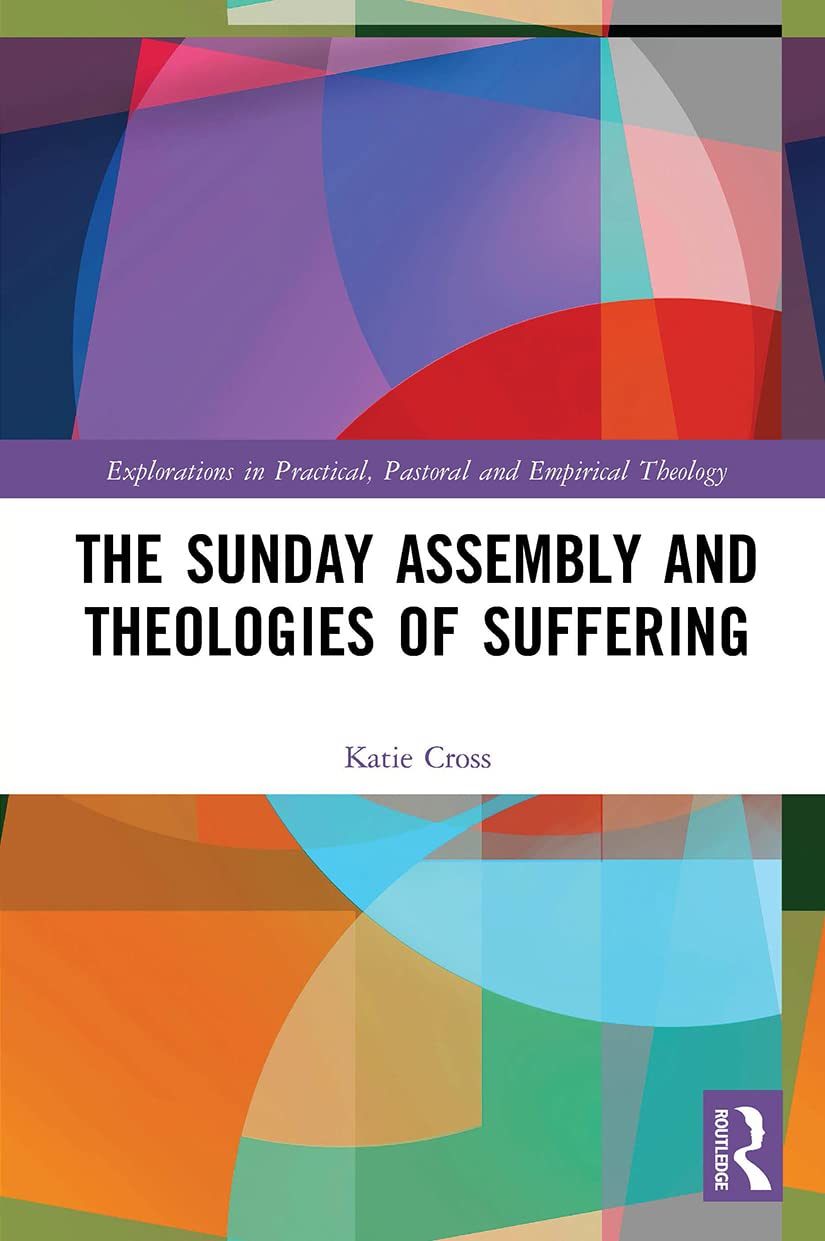
In this review the focus is on a thoughtful, academic study that will interest readers curious about how nonreligious congregations approach pain and meaning. The Sunday Assembly and Theologies of Suffering examines a real-world case study of the Sunday Assembly in London and Edinburgh and uses ethnographic methods to illuminate how modern communities handle lament, trauma and theodicy. For anyone researching practical or pastoral theology, or seeking fresh perspectives on communal responses to suffering, this book offers rigorous reflection grounded in interviews and observation.
Key Features
- Ethnographic research: Detailed interviews and participant observation provide first-hand insight into how the Sunday Assembly operates in London and Edinburgh.
- Practical theology focus: The book links fieldwork to theological reflection, making scholarly ideas accessible to ministers and researchers.
- Contemporary context: Discussion of shifting attitudes toward religion explains why secular congregations matter for conversations about suffering.
- Themes of lament and theodicy: Focused chapters examine how meaning-making around trauma and crisis differs in a godless congregation compared with traditional churches.
- Comparative perspective: Reflections aim to help the Church learn from alternative practices of celebrating life and collective care.
Who It's For
This book is best for graduate students, pastors and researchers in practical theology who want a qualitative, contemporary case study of nonreligious communal practice. It is also suited to activists and secular community leaders interested in how collective rituals and gatherings address grief and resilience.
Readers looking for a devotional guide or an introductory history of religion should look elsewhere, since the work is scholarly and assumes some familiarity with theological discussion and ethnographic method.
Pros & Cons
Pros
- Provides grounded, empirical data from interviews and observation rather than abstract theory alone.
- Makes a strong connection between fieldwork and applied theological reflection useful for clergy and academics.
- Offers a fresh angle on suffering by studying a secular congregation and its practices around celebration and lament.
Cons
- The academic tone and methodology may feel dense to casual readers seeking light or devotional material.
Specifications
| Title | The Sunday Assembly and Theologies of Suffering |
| Author | Katie Cross |
| Approach | Practical and pastoral theology with ethnographic methods |
| Case study locations | London and Edinburgh |
| Main themes | Suffering, lament, theodicy, meaning-making |
| Target readers | Researchers, clergy, graduate students in theology |
Our Verdict
For scholars and practitioners wanting to understand contemporary responses to suffering, this book is a valuable, research-driven resource that connects ethnography to theological reflection. Its focus on the Sunday Assembly offers novel examples the Church can learn from, and it represents good value for readers seeking depth rather than light reading.
Frequently Asked Questions
Does this book use primary research?
Yes. It includes interviews and participant observation with the Sunday Assembly in London and Edinburgh.
Is it suitable for general readers?
The tone is academic and best suited to readers familiar with theology or research methods rather than casual devotional readers.
What topics does it cover?
The book explores suffering, lament, theodicy and how contemporary secular congregations construct meaning in crisis.
Editor's Take
A research-driven, scholarly study that uses ethnography to show how the Sunday Assembly handles suffering; recommended for theology students, clergy and researchers seeking contemporary insights.

Recently viewed
Recently viewed products will appear here as customers browse the store.