

The Tricuspid Valve in Congenital Heart Disease - Clinical
The Tricuspid Valve in Congenital Heart Disease - Clinical
Price subject to change. Tap below for current.
Couldn't load pickup availability
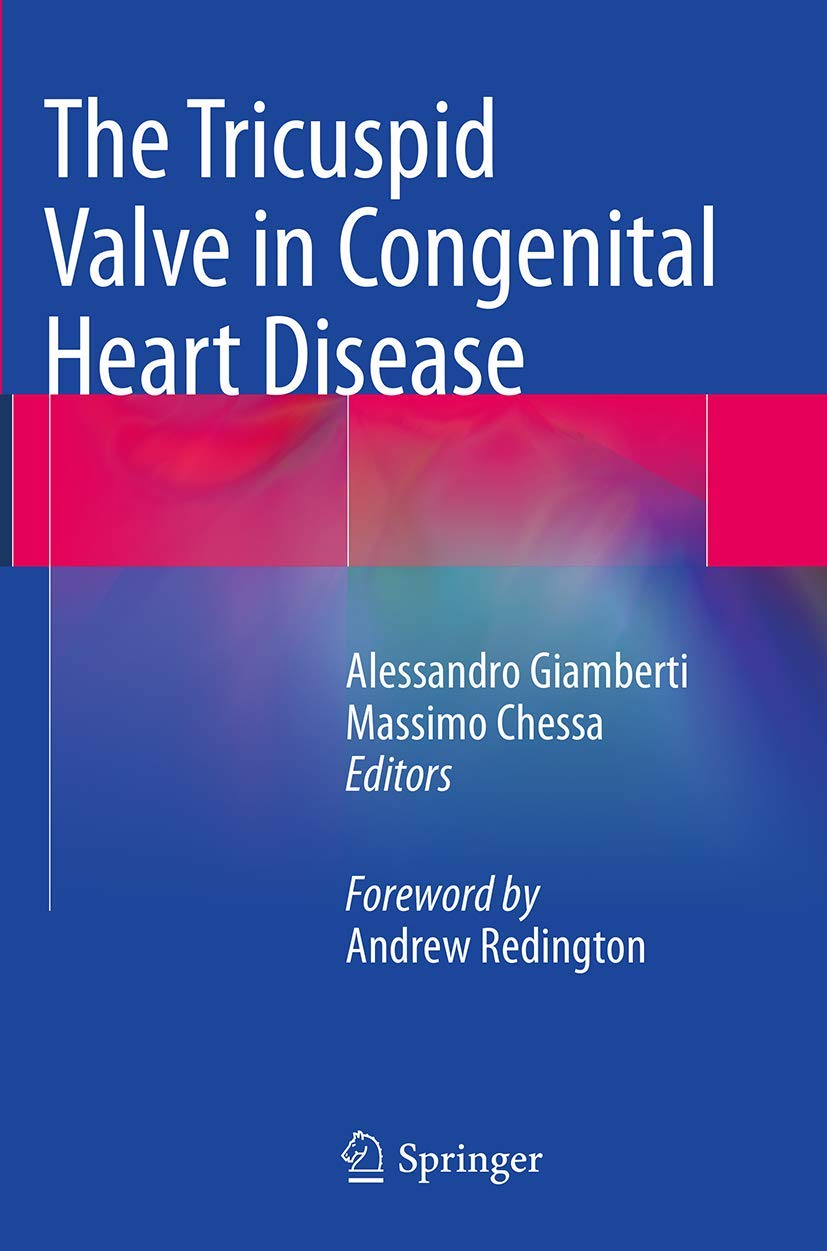
In this review of The Tricuspid Valve in Congenital Heart Disease the authors focus tightly on a single but complex subject: the tricuspid valve and its variable roles in congenital heart disease. This book is best for cardiology fellows, congenital heart disease specialists and cardiac surgeons who need a focused, clinically oriented reference; the single biggest reason to buy is the concentrated coverage of diagnosis, therapy and follow-up for tricuspid valve anomalies that are otherwise dispersed across broader texts. The review finds the book authoritative and practical, with chapters written by international experts and clear clinical relevance.
Key Features
- Dedicated focus: Every chapter concentrates on the tricuspid valve, providing depth on anomalies such as Ebstein anomaly and tricuspid valve dysplasia that readers will not find in general cardiology texts.
- Clinical emphasis: The book addresses diagnosis, therapy and follow-up, offering actionable perspectives for clinicians managing patients across the lifespan.
- Pathophysiology explained: Contributors describe different pathophysiologic mechanisms and the clinical implications that influence treatment decisions.
- Systemic valve discussion: The text examines cases where the tricuspid valve functions as the systemic valve, clarifying important surgical and long-term consequences.
- Adult congenital perspective: Right-sided complications in adults with congenital heart disease are covered, aiding long-term care planning and follow-up strategies.
- International authorship: Chapters are written by internationally recognized experts, which supports diverse viewpoints and contemporary practice.
Who It's For
This book is ideally suited for pediatric and adult congenital cardiologists, cardiac surgeons, imaging specialists and advanced trainees who need a single, concentrated reference on tricuspid valve anomalies. It is valuable when preparing for complex case discussions or planning surgical and long-term management strategies.
Those seeking a general cardiology textbook or a broad overview of congenital heart disease may find the scope too narrow; similarly, nonclinical readers or early medical students may prefer a more introductory resource before consulting this specialist volume.
Pros & Cons
Pros
- Focused, in-depth coverage of tricuspid valve anomalies that supports clinical decision making.
- Clear discussion of diagnosis, therapy and follow-up that is practical for patient care.
- Addresses special situations such as the tricuspid valve acting as the systemic valve and adult right-sided complications.
Cons
- Specialist focus means the book is less useful as a general reference for all congenital heart topics.
Specifications
| Title | The Tricuspid Valve in Congenital Heart Disease |
| Authors / Editors | Alessandro Giamberti, Massimo Chessa |
| Subject | Tricuspid valve anomalies in congenital heart disease |
| Coverage | Diagnosis, therapy and follow-up of tricuspid valve lesions |
| Special topics | Ebstein anomaly, tricuspid valve dysplasia, systemic tricuspid valve issues |
| Intended audience | Cardiologists, cardiac surgeons, congenital heart disease specialists |
Our Verdict
The Tricuspid Valve in Congenital Heart Disease is a tightly focused, clinically useful reference that fills a niche for specialists managing tricuspid valve anomalies. Its concentrated chapters and international authorship make it good value for clinicians and trainees who need authoritative guidance on diagnosis, treatment options and long-term follow-up; readers wanting a broader congenital cardiology textbook should look elsewhere.
Frequently Asked Questions
Does this book cover surgical management?
Yes. The book discusses therapeutic approaches including surgical implications for tricuspid valve anomalies and the consequences when the valve is systemic.
Is this suitable for adult congenital heart disease care?
Yes. It specifically addresses right-sided heart complications often observed in adults with congenital heart disease and long-term follow-up considerations.
Who contributed the chapters?
Chapters are written by internationally recognized experts in congenital cardiology and cardiac surgery, offering diverse clinical perspectives.
Editor's Take
A focused, clinically oriented reference that provides authoritative coverage of tricuspid valve anomalies, diagnosis, treatment and long-term follow-up; ideal for congenital cardiology specialists and surgeons.

Recently viewed
Recently viewed products will appear here as customers browse the store.