Regular price
$210.00 USD
Price subject to change. Tap below for current.
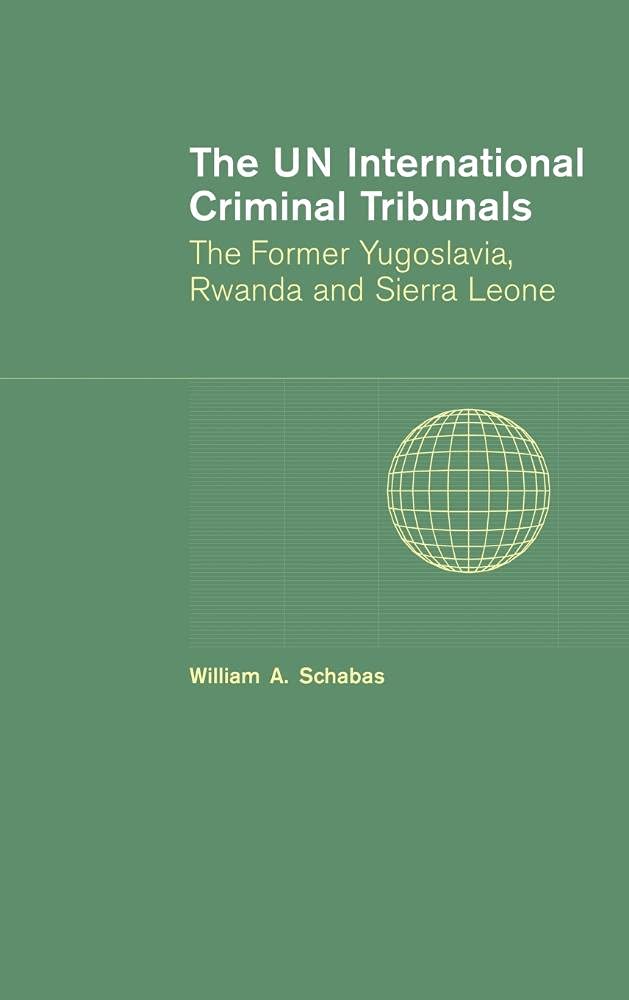
The UN International Criminal Tribunals have played a pivotal role in shaping international law and justice. This book by William A. Schabas provides an in-depth analysis of the tribunals established for the Former Yugoslavia, Rwanda, and Sierra Leone. It serves as an essential resource for anyone interested in understanding the complexities of international criminal law.
One of the key features of this book is its thorough examination of the historical context surrounding each tribunal. Schabas meticulously outlines the events that led to the establishment of these courts, providing readers with a comprehensive background that is crucial for grasping the significance of their work.
The author also delves into the legal frameworks that underpin these tribunals. By dissecting the statutes and rules that govern their operations, Schabas highlights the innovative approaches taken to address crimes against humanity and war crimes. This analysis is particularly valuable for legal scholars and practitioners.
In addition to legal aspects, the book addresses the political challenges faced by the tribunals. Schabas does not shy away from discussing the controversies and criticisms that have surrounded these institutions, offering a balanced view that acknowledges both their achievements and shortcomings.
Another significant aspect of this work is its focus on the impact of the tribunals on international justice. Schabas explores how these courts have influenced national legal systems and contributed to the development of international norms. This discussion is essential for understanding the broader implications of the tribunals' work.
The book also features a detailed analysis of the judicial processes within the tribunals. Schabas provides insights into the trials, the evidence presented, and the verdicts delivered, making it a valuable resource for those studying international criminal procedures.
Furthermore, the author includes a critical evaluation of the legacy of the tribunals. He reflects on their long-term effects on global justice and the ongoing challenges that remain in prosecuting war crimes and crimes against humanity. This forward-looking perspective is crucial for anyone interested in the future of international law.
Overall, The UN International Criminal Tribunals: The Former Yugoslavia, Rwanda and Sierra Leone is a must-read for scholars, practitioners, and anyone interested in the evolution of international criminal justice. Schabas's expertise and comprehensive approach make this book an invaluable addition to the field.