

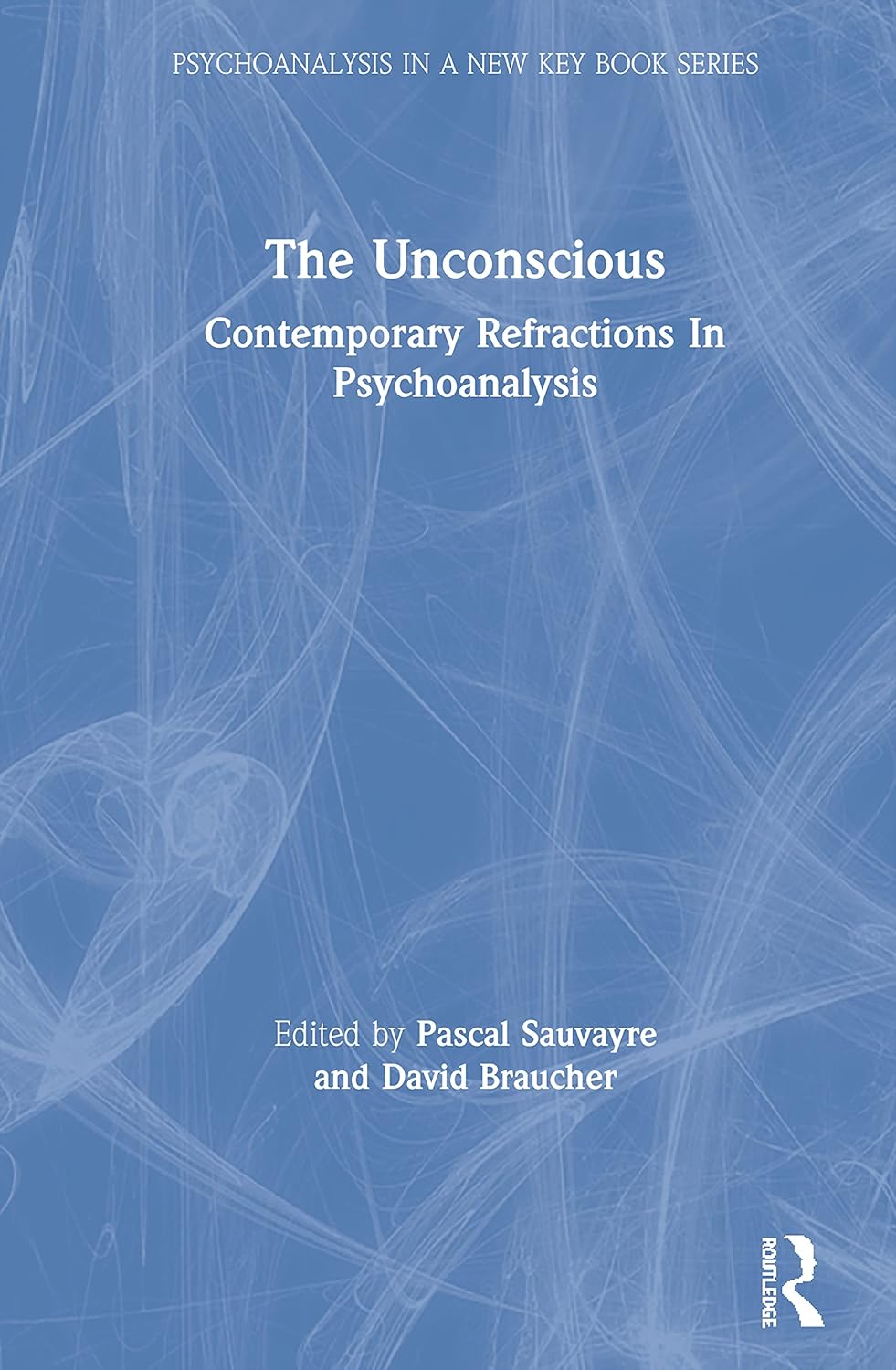
The Unconscious (Psychoanalysis in a New Key) - Contemporary
The Unconscious (Psychoanalysis in a New Key) - Contemporary
Price subject to change. Tap below for current.
Couldn't load pickup availability
In this review of The Unconscious (Psychoanalysis in a New Key) the bottom line is clear: this book is for readers who want a cross-disciplinary, contemporary account of psychoanalytic theory grounded in cultural, social and linguistic perspectives. The collection assembles essays that confront the continuing puzzle of the unconscious and offers the single biggest reason to buy - a rare, consolidated view of metaphysical, socio-relational and linguistic approaches that situates psychoanalytic ideas in modern debates rather than repeating historical summaries.
Key Features
- Cross-disciplinary framing: The essays bring together cultural, social and linguistic inputs to broaden traditional psychoanalytic discussion and show how different fields inform each other.
- Three main perspectives: Coverage of the metaphysical, socio-relational and linguistic dimensions gives readers a structured map of contemporary approaches to the unconscious.
- Contemporary voices: This is the first contemporary collection to apply diverse internal psychoanalytic perspectives, making it a current snapshot of theoretical debate.
- Metaphysical links: Essays draw on ideas ranging from Jungian thought to connections with quantum mechanics to reopen philosophical questions about the unconscious.
- Socio-relational focus: Contributors examine politics, inter-generational trauma and interpersonal dynamics to show clinical ideas in social context.
- Linguistic and hermeneutic analysis: The book emphasizes language as a social construct and the interpretive work at the heart of psychoanalytic practice.
Who It's For
The Unconscious will suit graduate students, clinicians and intellectually curious readers in psychology or counseling who want to see psychoanalytic theory engaged with contemporary cultural and social thought. It is particularly useful for those who appreciate essays that link clinical concepts with broader philosophical and linguistic debate, offering material that can inform teaching, research or reflective practice.
Readers seeking a practical self-help guide, a manual for clinical technique, or an introductory textbook for general audiences should look elsewhere; this collection is theoretical and assumes some familiarity with psychoanalytic concepts and debates rather than offering step-by-step clinical instruction.
Pros & Cons
Pros
- Integrates multiple disciplines to refresh familiar psychoanalytic themes and broaden interpretive possibilities.
- Organized around clear perspectives so readers can follow metaphysical, socio-relational and linguistic threads distinctly.
- Offers contemporary voices and debates rather than reprinting historical summaries, making it relevant to current scholarship.
Cons
- As a theoretical collection, it is not a practical clinical manual and may feel dense to readers without background in psychoanalysis.
Specifications
| Title | The Unconscious (Psychoanalysis in a New Key) |
| Editor / Author | Daniel Shaw |
| Focus Areas | Metaphysical, Socio-relational, Linguistic perspectives |
| Approach | Cross-disciplinary essays linking culture, society and language |
| Audience | Scholars, clinicians, graduate students in psychoanalysis |
| Series | Psychoanalysis in a New Key book series |
Our Verdict
The Unconscious is a valuable, contemporary collection for readers who want psychoanalytic ideas placed in dialogue with cultural, social and linguistic theory. It is good value for scholars and clinicians seeking breadth and conceptual depth, though those wanting practical clinical tools will need a different title.
Frequently Asked Questions
Does this book cover clinical techniques?
Answer. No, the collection is theoretical and focuses on conceptual perspectives rather than step-by-step clinical methods.
Who edited the volume?
Answer. The work is presented under Daniel Shaw as the named editor or author for the collection.
Which perspectives are emphasized?
Answer. The book emphasizes metaphysical links, socio-relational dynamics and linguistic hermeneutics as three main lenses for the unconscious.
Editor's Take
The Unconscious is a contemporary theoretical collection that links psychoanalytic thought with cultural, social and linguistic perspectives; recommended for scholars and clinicians seeking breadth and conceptual depth, though not a practical clinical manual.

Recently viewed
Recently viewed products will appear here as customers browse the store.