

The Unexceptional Case of Haiti - Critical History
The Unexceptional Case of Haiti - Critical History
Price subject to change. Tap below for current.
Couldn't load pickup availability
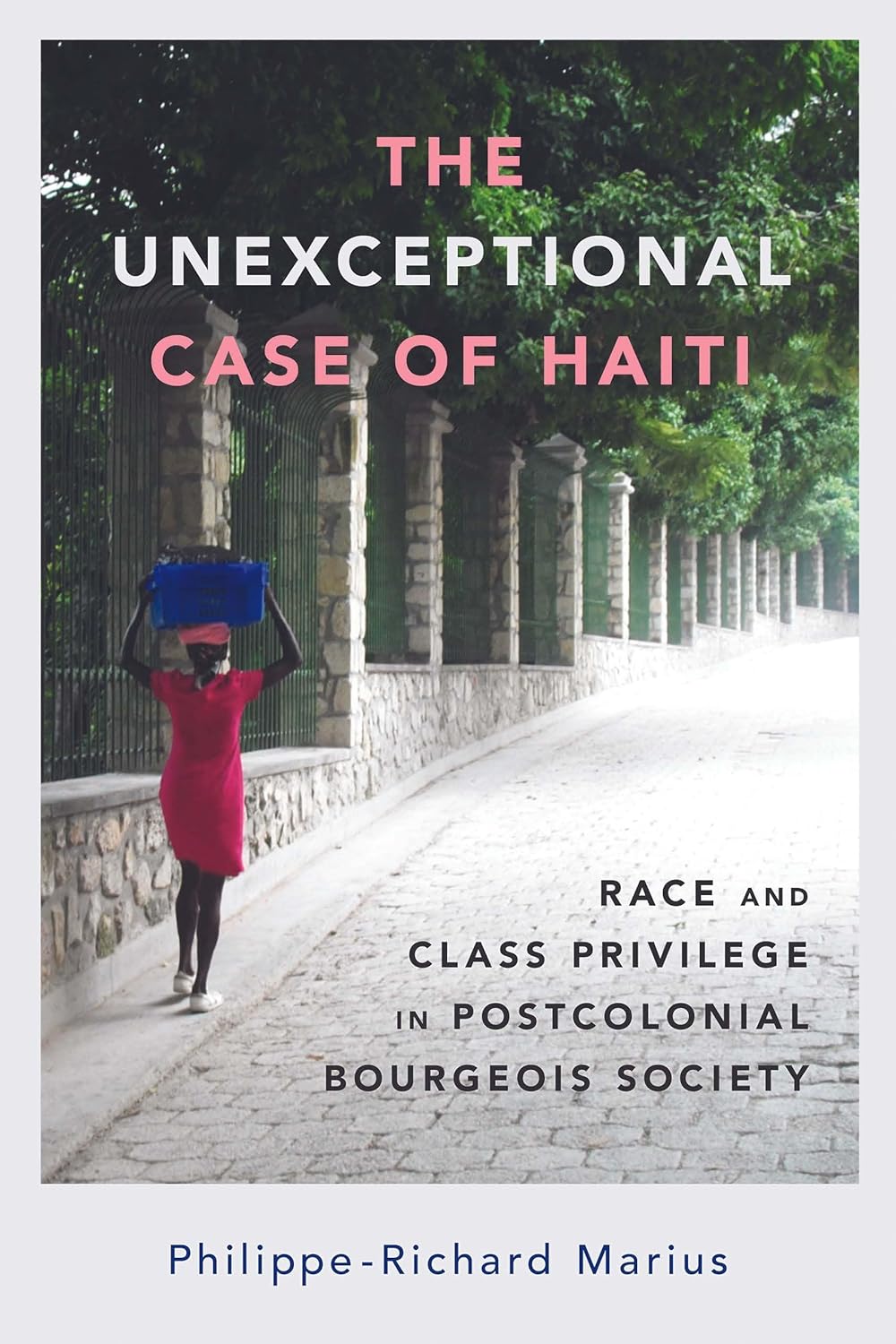
In this review of The Unexceptional Case of Haiti, the reviewer finds a methodical and thought-provoking examination of Haitian society that will appeal to scholars and serious readers of Caribbean history. Philippe-Richard Marius arrived in Port-au-Prince for fieldwork and produced a monograph that interrogates the legacy of Haiti as the first Black Republic while tracing how colonial and Latinizing influences shaped its founding leaders. The single biggest reason to read this book is its careful attention to how race and class privilege persisted in postcolonial bourgeois society, offering nuance beyond celebratory national narratives.
Key Features
- Fieldwork-based analysis: The book is grounded in the author's firsthand research in Port-au-Prince, which gives the narrative concrete ethnographic detail and local perspective.
- Historical reinterpretation: Marius revisits Haiti's founding to show how colonial and Latinized influences affected the choices of the city's early leaders, clarifying continuities with pre-independence structures.
- Focus on elites: The monograph traces how postcolonial bourgeois society preserved forms of privilege, helping readers understand class formation after independence.
- Comparative perspective: By contrasting the visions of Haiti's Founders with African-born former slaves, the book illuminates competing ideas of freedom and statehood.
- Concise scholarly voice: The text reads as a disciplined academic monograph, suitable for coursework and research references.
Who It's For
The Unexceptional Case of Haiti is best for graduate students, historians, and readers interested in Caribbean studies who want a focused, critical treatment of Haiti's postcolonial elite and the social forces that shaped early national institutions. Its emphasis on class and race dynamics makes it a useful supplemental text for courses on postcolonialism and Atlantic history.
Readers seeking a broad popular history or a sweeping narrative biography of Haiti's independence may find this monograph narrower than expected; those audiences should look for more general histories that prioritize narrative chronology over analytic depth.
Pros & Cons
Pros
- Well-grounded in fieldwork, offering authentic local context and ethnographic insight.
- Nuanced interpretation of Haiti's founding that challenges simplistic national myths.
- Clear focus on the interplay of race and class, useful for specialized study.
Cons
- The book's academic tone and narrow scope may be less accessible to casual readers seeking a general history.
Specifications
| Title | The Unexceptional Case of Haiti |
| Subtitle/Series | Caribbean Studies Series |
| Author | Philippe-Richard Marius |
| Subject focus | Race, class, and postcolonial bourgeois society in Haiti |
| Method | Fieldwork-based monograph |
| Geographic focus | Port-au-Prince, Haiti |
Our Verdict
For scholars and students who want a disciplined, evidence-based account of how colonial legacies shaped Haiti's elite, this monograph is well worth the read; its focused arguments about postcolonial class privilege provide valuable corrective context and solid research value compared with broader overviews.
Frequently Asked Questions
Does this book rely on original research?
Yes. The author conducted fieldwork in Port-au-Prince, and the book draws on that firsthand material to support its analysis.
Is this a general history of Haiti?
No. It is a targeted monograph that examines race and class in postcolonial bourgeois society rather than a comprehensive narrative of Haitian independence.
Who will benefit most from reading it?
Graduate students, researchers, and readers of Caribbean studies will get the most from its focused scholarly perspective.
Editor's Take
A disciplined, fieldwork-based monograph that clarifies how colonial and Latinized influences shaped Haiti's founding elite; recommended for scholars and students of Caribbean and postcolonial studies.

Recently viewed
Recently viewed products will appear here as customers browse the store.