

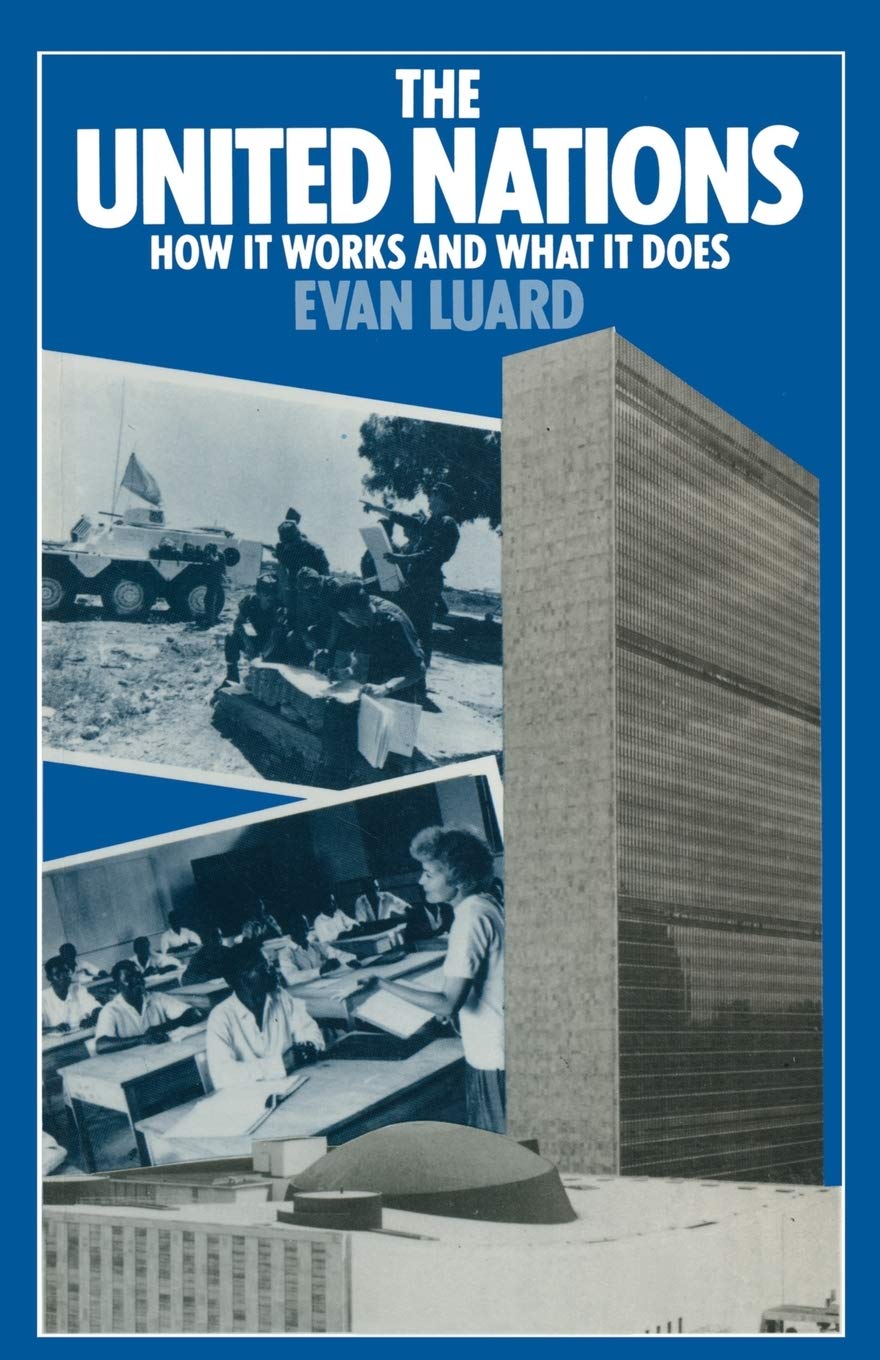
The United Nations: How it Works and What it Does - Clear, Practical
The United Nations: How it Works and What it Does - Clear, Practical
Price subject to change. Tap below for current.
Couldn't load pickup availability
In this review of The United Nations: How it Works and What it Does, the bottom line is simple: this is a clear, realistic primer on the UN written for students and professionals who need a practical, balanced overview. The late Evan Luard offers a knowledgeable assessment that neither idealizes nor dismisses the institution, making the book particularly useful in courses on international organization and as a reference for those professionally connected with the UN. Its measured tone and focused chapters make it worth buying for readers seeking an informed guide rather than a polemic.
Key Features
- Comprehensive overview: Covers the main organs and bodies of the UN so readers can understand how the Security Council, General Assembly and Secretariat interact in practice.
- Balanced assessment: Presents a realistic yet positive evaluation that highlights both limitations and reform possibilities, useful for critical classroom discussion.
- Practical for courses: Written with teaching and learning in mind, making it convenient for instructors and students in international organization classes.
- Focused institutional analysis: Examines specific entities such as the World Court and the International Law Commission to explain their roles and constraints.
- Accessible writing: Avoids dense jargon so professionals new to UN work can quickly grasp institutional procedures and budgetary issues.
Who It's For
This book is best for undergraduate or graduate students in politics and international relations, instructors seeking a compact course text, and professionals who need a succinct, realistic briefing on how the UN operates. Its emphasis on institutional function makes it a practical companion for anyone preparing to work with or around UN structures.
Readers looking for a detailed legal treatise, a current events chronicle, or a handbook of recent reforms may want to supplement this volume with more specialized or up-to-date sources, because the book focuses on institutional analysis and broad reform suggestions rather than exhaustive contemporary case studies.
Pros & Cons
Pros
- Clear, knowledgeable writing that clarifies complex institutional relationships within the UN.
- Balanced tone that is both realistic and constructive, helping readers think about reform options.
- Convenient structure for classroom use and professional reference, with chapters focused on key organs.
Cons
- Not a source for the latest events or reform outcomes, so readers needing current developments should consult recent publications.
Specifications
| Title | The United Nations: How it Works and What it Does |
| Author | Evan Luard |
| Scope | Operation of Security Council, General Assembly, Secretariat and other UN bodies |
| Use case | Course text and professional reference on international organization |
| Approach | Analytical, realistic, and reform-minded assessment |
| Recommended audience | Students, instructors, and professionals linked to the UN |
Our Verdict
The United Nations: How it Works and What it Does is a valuable, well-reasoned guide for students and professionals who need a concise institutional primer. Evan Luard's balanced analysis explains strengths and constraints clearly, making the book good value as a classroom text or as a practical reference for those engaging with the UN.
Frequently Asked Questions
Is this book suitable for classroom use?
Yes. Its focused chapters and measured assessments make it convenient as a course text in international organization classes.
Does the book cover all UN organs?
It covers the major organs and bodies including the Security Council, General Assembly, Secretariat, World Court and International Law Commission.
Is this a current-events account?
No. The book provides institutional analysis and reform suggestions rather than a chronicle of recent events, so supplement with current sources if needed.
Editor's Take
Evan Luard's book is a clear, balanced institutional guide ideal for students and professionals; it explains UN organs and reform options well and serves as a practical course text or reference.

Recently viewed
Recently viewed products will appear here as customers browse the store.