

Theories of Truth: An Introduction - Clear Guide to Major Theories
Theories of Truth: An Introduction - Clear Guide to Major Theories
Price subject to change. Tap below for current.
Couldn't load pickup availability
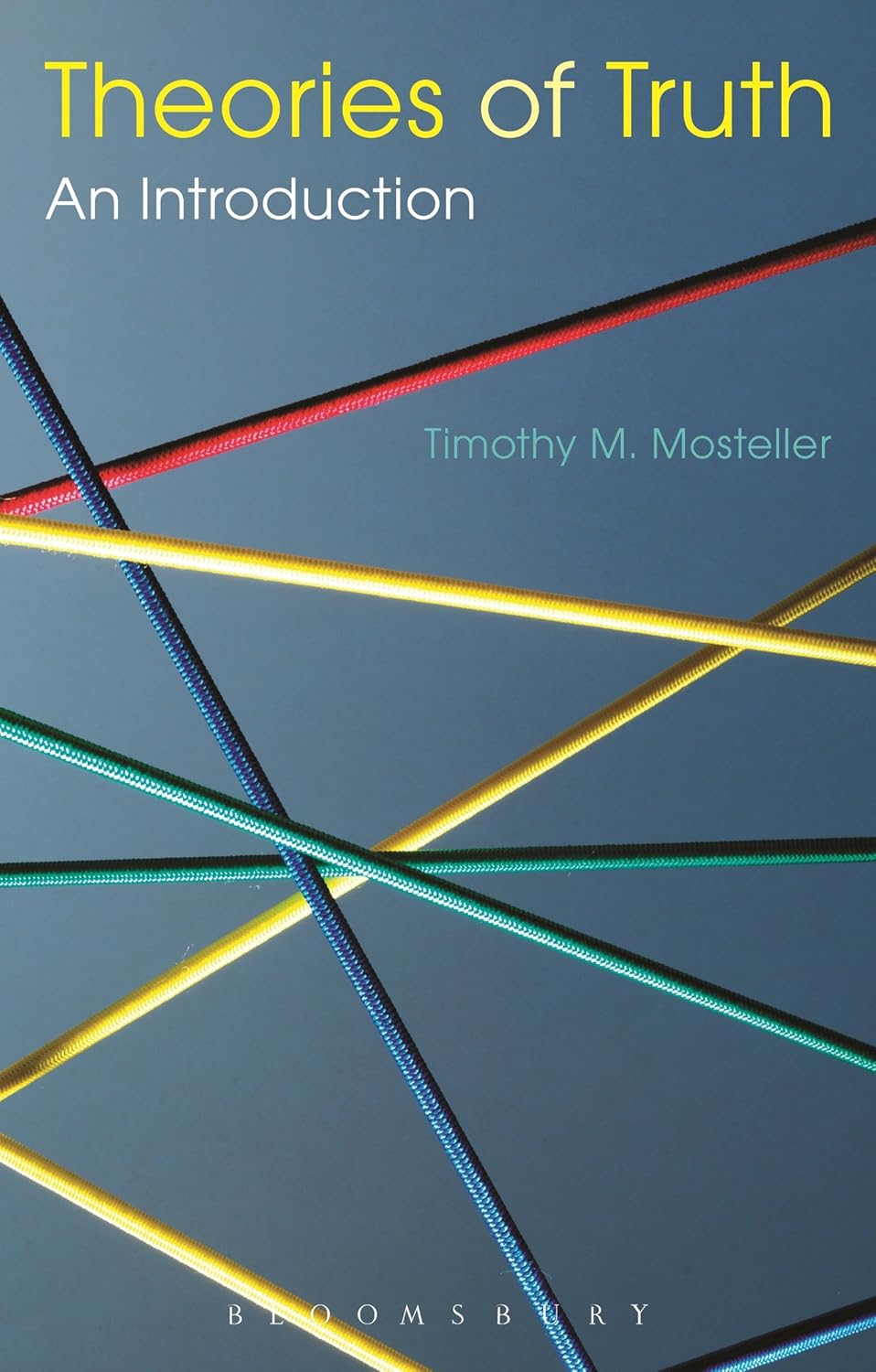
In this review of Theories of Truth: An Introduction, the bottom line is simple: this is an accessible, classroom-ready primer for readers who want a clear tour through the major debates about truth. Timothy M. Mosteller frames the subject historically and thematically, so students and curious readers benefit from concise chapter-sized treatments rather than a single sprawling account. If you need a text that explains correspondence, coherence, deflationary and pragmatic accounts without assuming prior technical training, this book is an effective and economical choice.
Key Features
- Historical scope: Covers ideas from the Pre-Socratics to the 21st century so readers see how modern theories grew from earlier debates.
- Theory-by-theory chapters: Each chapter focuses on a single theory, which helps readers digest complex positions in manageable units.
- Balanced critique: Presents challenges and objections to each account of truth so readers encounter the main counterarguments alongside explanations.
- Accessible technical explanations: Describes necessary technicalities in plain language so undergraduates can follow without prior background.
- Connections to other areas: Relates theories of truth to issues in rationality and other domains, making the material relevant beyond abstract debate.
Who It's For
Theories of Truth is aimed primarily at undergraduates, instructors looking for a concise course text, and general readers with a sincere interest in epistemology and the philosophy of language. It is well suited to readers who value clear exposition and historical perspective over exhaustive specialist debate.
Those seeking a technical monograph with original research, extensive formal proof, or deep engagement with one narrow school of thought should look elsewhere; this introduction trades exhaustive depth for clarity and breadth.
Pros & Cons
Pros
- Clear chapter structure makes complex theories approachable for students and newcomers.
- Balanced presentation includes objections and links to broader philosophical questions.
- Readable historical framing helps contextualize modern positions from antiquity onward.
Cons
- Not a substitute for advanced, specialist literature if the reader needs deep technical detail.
Specifications
| Title | Theories of Truth: An Introduction |
| Author | Timothy M. Mosteller |
| Coverage | Pre-Socratics to 21st century |
| Approach | Thematic chapters, one theory per chapter |
| Audience | Undergraduates and general readers |
| Focus | Correspondence, coherence, deflationist, pragmatic theories and links to rationality |
Our Verdict
Theories of Truth: An Introduction is a reliable, well-organized primer for undergraduates and informed readers who want a clear overview of competing accounts of truth. Its chapter-focused layout and attention to objections make it good value as a course text or personal introduction, though specialists will need more technical follow-up readings.
Frequently Asked Questions
Does this book require prior philosophy background?
Not really; the author writes for readers without prior technical knowledge and explains necessary concepts plainly.
Which theories are treated in the book?
The book covers correspondence, coherence, deflationary, and pragmatic theories and explores their connections to rationality and history.
Is this suitable for a college course?
Yes; its chapter structure and balanced coverage make it suitable as an introductory course text for undergraduates.
Editor's Take
Theories of Truth: An Introduction is a clear, chapter-based primer ideal for undergraduates and general readers who want an accessible overview of major theories of truth; specialists will need more advanced texts.

Recently viewed
Recently viewed products will appear here as customers browse the store.