

Thinking About Criminology - Clear Analysis of Theory and Research
Thinking About Criminology - Clear Analysis of Theory and Research
Price subject to change. Tap below for current.
Couldn't load pickup availability
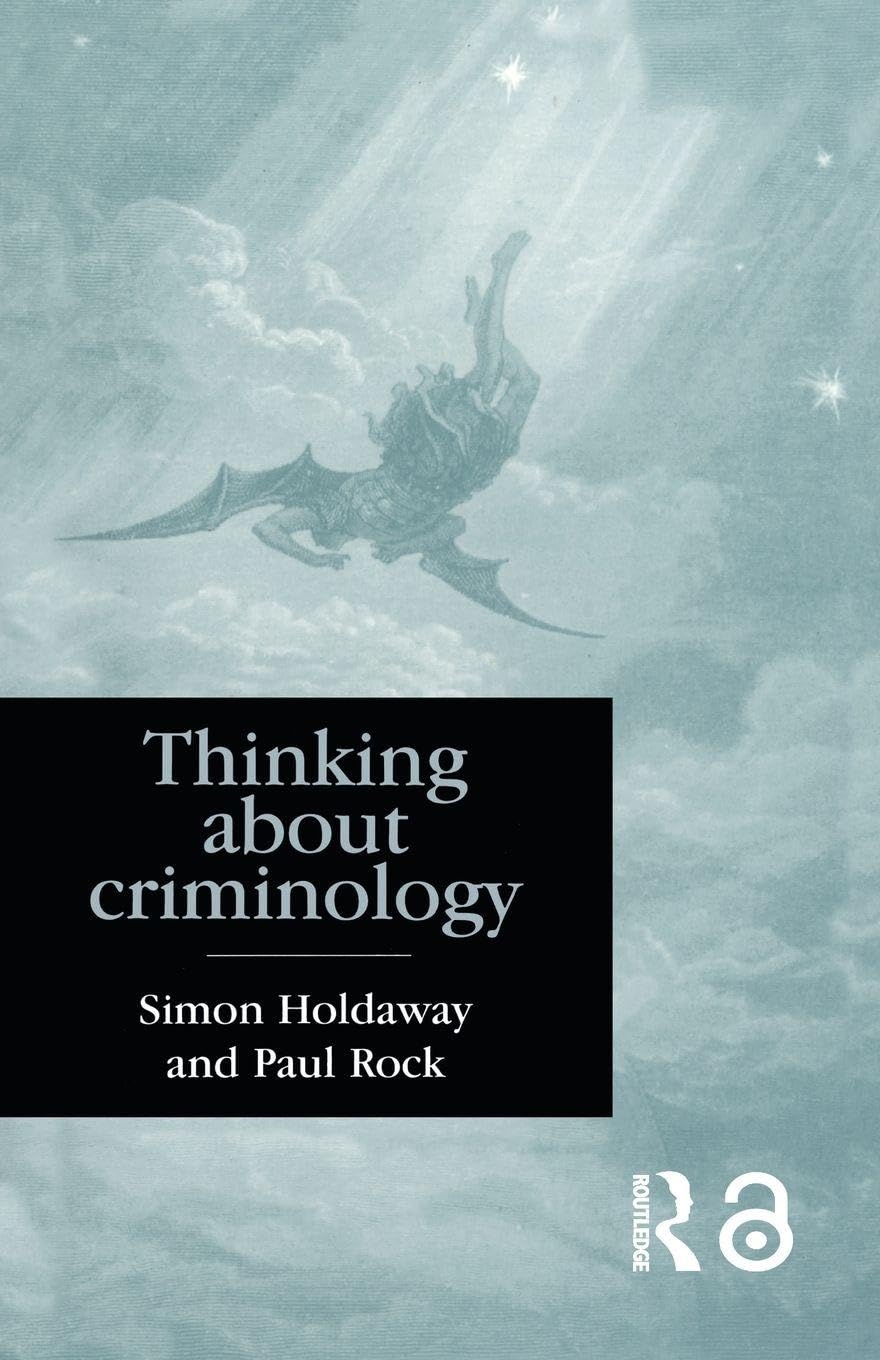
In this review of Thinking About Criminology, the book is recommended for students and practitioners who want a grounded connection between sociological theory and empirical research in criminology. First published in 1998 and assembled by contributors from the principal contemporary schools of thought, this volume's single biggest reason to buy is its clear emphasis on how theory informs the study of law, policy and criminal justice institutions, making it a useful survey text and reference for coursework or professional reading.
Key Features
- Interdisciplinary authorship: Chapters written by respected criminologists offer multiple theoretical perspectives that help readers compare approaches in context.
- Theory-to-research focus: The book explains how sociological theory shapes and is tested by contemporary empirical criminological research, aiding critical analysis.
- Institutional emphasis: Discussion links theory to explanations of criminal justice institutions, making abstract ideas applicable to real-world systems.
- Policy relevance: Contributors examine implications for law and policy so readers can see how scholarship informs decision making.
- Foundational overview: As a 1998 collection, it provides a snapshot of principal schools of thought useful for historical grounding and comparative study.
Who It's For
This book is well suited to upper-level undergraduates, graduate students and early-career researchers who need a concise survey of how major sociological theories have been applied to criminological research. Instructors assembling a course on criminological theory will find it a practical companion text for prompting seminar discussion and linking concepts to institutions and policy.
Those seeking the latest empirical findings or contemporary editions that track developments after the late 1990s should look elsewhere, as the collection reflects the state of debate and research up to its 1998 publication date rather than recent methodological advances or newer theoretical refinements.
Pros & Cons
Pros
- Provides coherent links between sociological theory and empirical studies, aiding comprehension of research design and interpretation.
- Chapters from multiple respected criminologists present varied schools of thought for balanced comparison.
- Focus on institutions and policy helps readers translate theory into practical understanding of criminal justice systems.
Cons
- As a 1998 publication, it does not cover research or theoretical developments that emerged after that year.
Specifications
| Title | Thinking About Criminology |
| Editors/Authors | Simon Holdaway, Paul Rock |
| First published | 1998 |
| Focus | Relationship of sociological theory to empirical criminological research |
| Content emphasis | Criminal justice institutions, law and policy |
| Intended use | Academic study and reference |
Our Verdict
Thinking About Criminology is a valuable, theory-focused collection for students and professionals who need clear connections between sociological frameworks and empirical criminology. It offers durable conceptual grounding and useful institutional and policy discussion, making it good value as a survey text, though readers wanting the most recent empirical work should supplement it with newer sources.
Frequently Asked Questions
Is this book suitable for introductory courses?
Yes, it works as a survey text for courses that pair theory with empirical examples, especially at upper-undergraduate level.
Does it cover policy and institutions?
Yes, contributors explicitly discuss how theory has informed understanding of criminal justice institutions and law and policy.
Is the content up to date?
The book reflects scholarship up to its 1998 publication and does not include developments after that year.
Editor's Take
Thinking About Criminology is a useful theory-focused collection that links sociological frameworks to empirical research and institutional and policy discussion, making it a solid survey text for students and professionals, though it lacks post-1998 developments.

Recently viewed
Recently viewed products will appear here as customers browse the store.