

Thomas Jefferson, Legal History, and the Art of Recollection
Thomas Jefferson, Legal History, and the Art of Recollection
Price subject to change. Tap below for current.
Couldn't load pickup availability
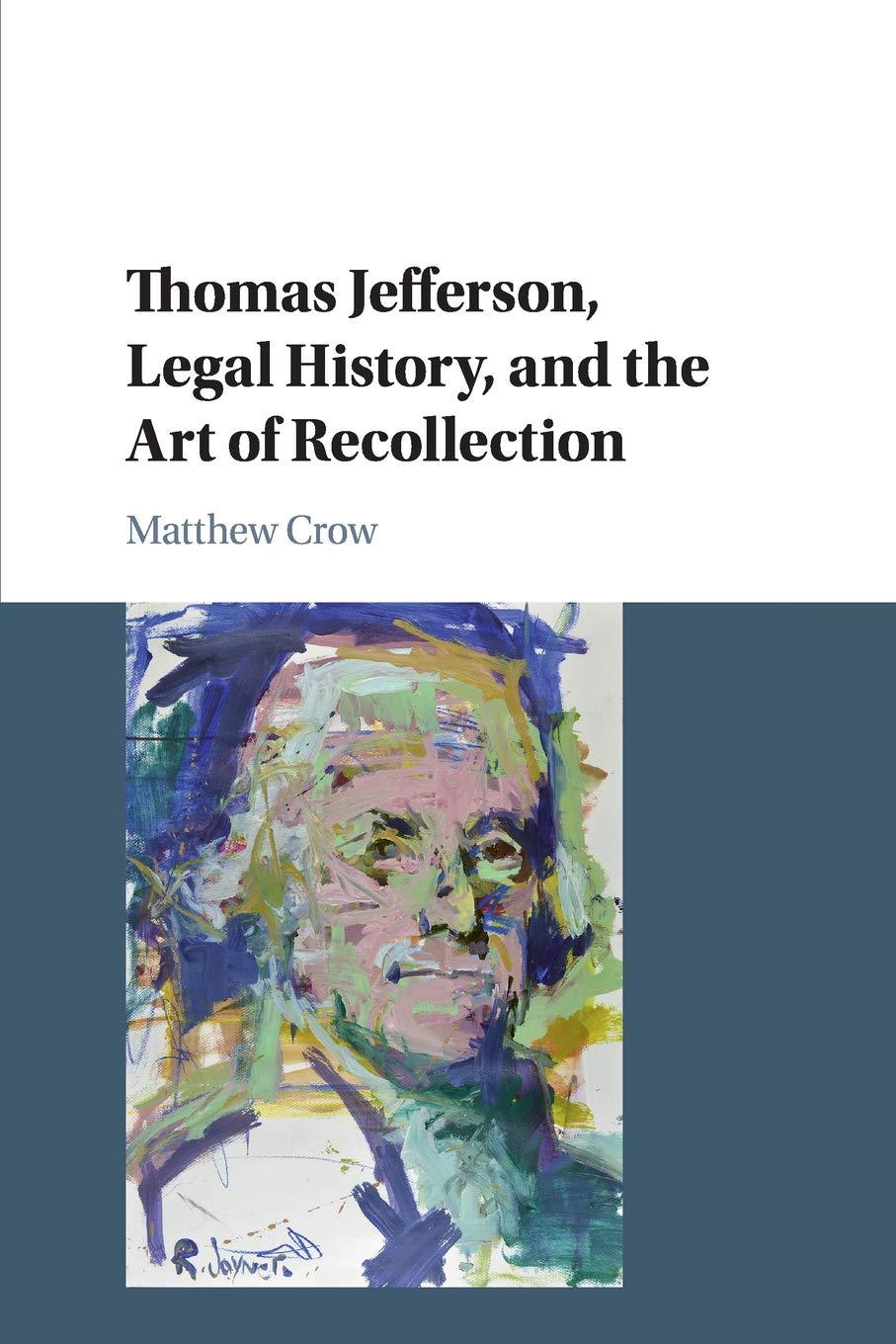
In this review of Thomas Jefferson, Legal History, and the Art of Recollection, the bottom line is clear: this book is best for readers who want a rigorous, historically grounded account of Jefferson's legal thought that connects constitutional change to imperial and colonial contexts. Matthew Crow approaches Jefferson as a reader, writer, and collector of legal history, arguing that his constitutional ideas were inseparable from material and textual practices. The book rewards careful readers who appreciate scholarly argument and primary-source engagement rather than a general-audience biography.
Key Features
- Focused analysis: Crow traces Jeffersons practices of reading, writing, and collecting legal history to show how those habits shaped his constitutional thought.
- Contextual approach: The book situates Jefferson within early modern empire and revolutionary constitutionalism, offering a broader perspective on settler colonialism and civic identity.
- Thematic clarity: Central to the argument is the idea that a republican constitution depends on a shared textual and material culture of law, which Crow explains in concrete terms.
- Scholarly method: The work draws on legal and political thought to connect personal practices to public constitutional theories, useful for researchers and advanced students.
- Interdisciplinary reach: By addressing race, civic identity, and imperial crisis, the book appeals to historians of law, early America, and colonial studies.
Who It's For
This book is aimed at historians, legal scholars, and graduate students who want a nuanced account of how Thomas Jefferson engaged with legal history and how that engagement informed revolutionary constitutionalism. Readers expecting a narrative political biography or a casual introduction to Jefferson will find the tone and depth too scholarly.
Those researching settler colonialism, political thought, or the cultural practices surrounding law in the era of the American Revolution will benefit most from Crows emphasis on material culture and textual practices. Casual readers or survey-course students seeking a light overview should look for more generalist treatments.
Pros & Cons
Pros
- Provides a focused, original interpretation of Jeffersons legal and political thought grounded in archival practices.
- Connects constitutional theory to material and textual culture in a way that clarifies larger questions about civic identity and race.
- Useful interdisciplinary appeal for scholars in law, history, and early American studies.
Cons
- The book's scholarly density and emphasis on argumentation may be challenging for nonacademic readers.
Specifications
| Title | Thomas Jefferson, Legal History, and the Art of Recollection |
| Series | Cambridge Historical Studies in American Law and Society |
| Author | Matthew Crow |
| Subjects | Legal history, constitutional thought, settler colonialism |
| Historical focus | Era of the American Revolution |
| Approach | Interdisciplinary analysis of reading, writing, and collecting practices |
Our Verdict
Thomas Jefferson, Legal History, and the Art of Recollection is a thoughtful, well-argued study that reframes Jeffersons constitutionalism through practices of legal reading and collection. It is good value for scholars and serious students because it links close textual work to larger questions of empire, race, and republicanism, though it is not aimed at general readers.
Frequently Asked Questions
Does this book cover Jeffersons role in the American Revolution?
Yes; it examines Jeffersons ideas and practices in the context of the imperial crisis and revolutionary constitutionalism.
Is this a general biography of Jefferson?
No; the book focuses on Jeffersons legal and intellectual practices rather than offering a full biographical narrative.
Who benefits most from reading this book?
Graduate students, legal historians, and scholars interested in early American political thought and settler colonialism will gain the most.
Editor's Take
A thoughtful, scholarly study reframing Jeffersons constitutionalism through his practices of legal reading and collection; excellent for historians and advanced students but dense for casual readers.

Recently viewed
Recently viewed products will appear here as customers browse the store.