

Tissue and Organ Regeneration in Adults - Extension of the Paradigm
Tissue and Organ Regeneration in Adults - Extension of the Paradigm
Price subject to change. Tap below for current.
Couldn't load pickup availability
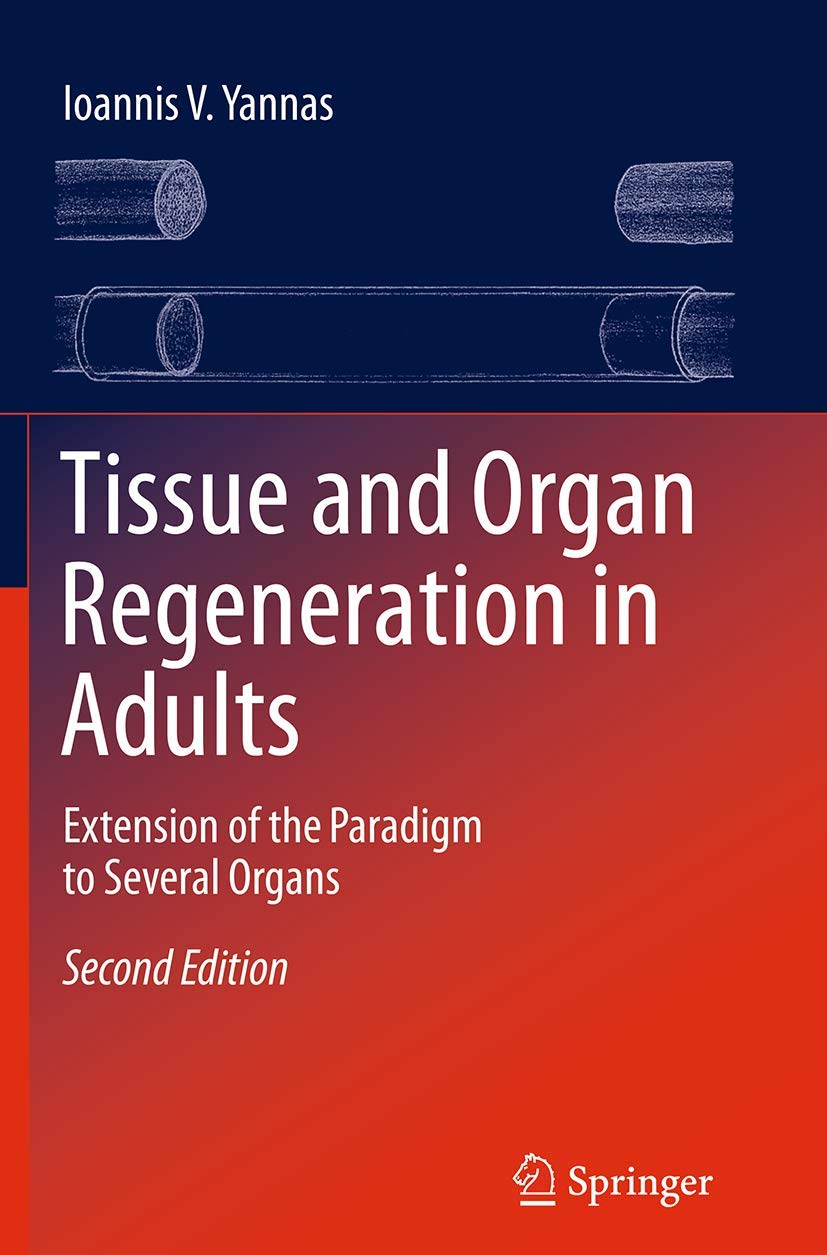
In this review of Tissue and Organ Regeneration in Adults, the book is best suited for biomedical engineers, clinician-researchers, and advanced graduate students who need a focused synthesis of induced organ regeneration across multiple tissues. The single biggest reason to read it is its systematic presentation of a trans-organ paradigm that connects the original skin and peripheral nerve regeneration work to applications in organs such as lung, bladder, and tendon, offering practical conceptual rules rather than isolated case reports.
Key Features
- Trans-organ rules: The text lays out a set of generalizable guidelines for applying regeneration principles across different organs, helping researchers adapt a single paradigm to new targets.
- Extension beyond skin and nerve: The second edition expands the paradigm to organs like the lung, bladder, and Achilles tendon, illustrating how the approach works in diverse tissue contexts.
- Collagen-based scaffold focus: The review highlights examples using collagen scaffolds similar to the original device, making the engineering approach and material considerations clear.
- Clinical relevance: The book frames induced regeneration as a response to clinical needs unmet by transplantation, useful for translational researchers and clinicians exploring alternatives.
- Compiled investigator work: Independent studies are synthesized to show reproducibility and varied implementations, which aids comparative analysis.
Who It's For
The primary audience is biomedical engineers, surgeon-scientists, and graduate students working on regenerative medicine or tissue engineering who want a rigorous, concept-driven discussion of how a single paradigm can be adapted to multiple organs. It is also appropriate for clinicians interested in the translational trajectory from scaffold design to potential clinical treatments.
Those looking for step-by-step laboratory protocols, a clinical handbook for patient procedures, or a general introduction to cell biology should look elsewhere; this volume assumes familiarity with basic tissue engineering concepts and focuses on paradigm development and cross-organ application.
Pros & Cons
Pros
- Provides clear trans-organ rules that make conceptual transfer between organs practical and intelligible.
- Offers expanded coverage beyond skin and peripheral nerve to organs such as lung and bladder, demonstrating breadth.
- Emphasizes collagen-based scaffold approaches, which is useful for material-focused investigators.
Cons
- The book is conceptual and synthesis-oriented, so it does not replace detailed experimental protocols needed for bench work.
Specifications
| Title | Tissue and Organ Regeneration in Adults |
| Edition | Second edition (updated content) |
| Author / Brand | Ioannis V. Yannas |
| Scope | Skin, peripheral nerves, lung, bladder, Achilles tendon |
| Main approach | Collagen-based scaffolds and induced regeneration paradigm |
| Audience | Biomedical engineers, clinician-researchers, advanced students |
Our Verdict
This book is a strong, concept-rich resource for professionals and students who need a cross-organ perspective on induced regeneration. It delivers good value for readers focused on translational scaffold design and paradigm development, though those seeking procedural lab protocols will need to consult complementary technical manuals.
Frequently Asked Questions
Does the book cover clinical treatments?
It discusses clinical relevance and treatments conceptually and in the context of unmet needs but is not a procedural clinical guide.
Which organs are illustrated beyond skin and nerve?
The book extends examples to organs including the lung, bladder, and Achilles tendon using collagen-based scaffolds.
Is the book suitable for beginners?
It assumes familiarity with tissue engineering concepts, so it is best for readers with some background in the field.
Editor's Take
A concept-rich textbook for biomedical engineers and clinician-researchers, offering trans-organ rules and expanded examples of collagen-based scaffold regeneration; valuable for paradigm development though not a lab protocol manual.

Recently viewed
Recently viewed products will appear here as customers browse the store.