

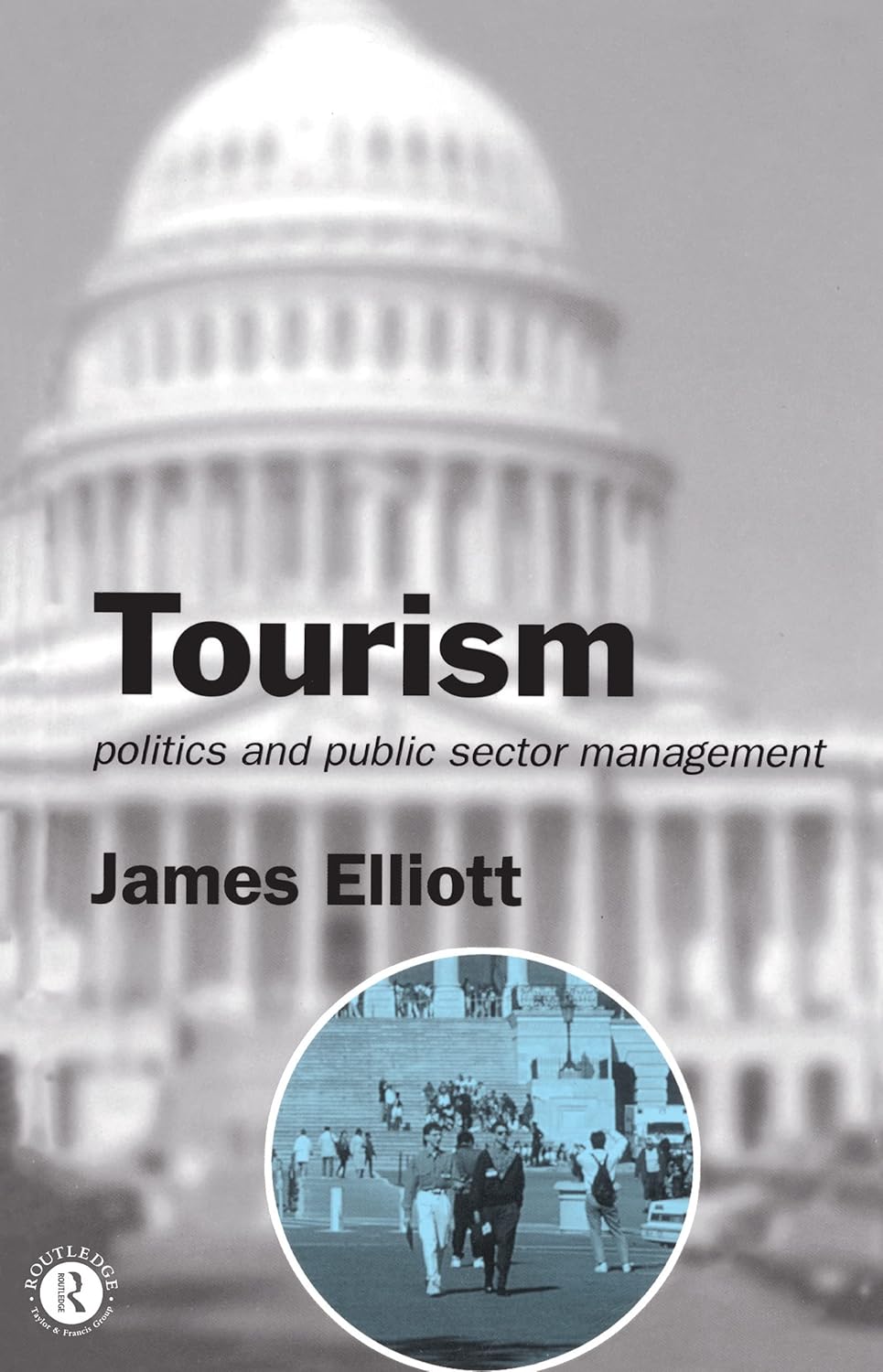
Tourism (Public Sector Management) - In-Depth Policy
Tourism (Public Sector Management) - In-Depth Policy
Price subject to change. Tap below for current.
Couldn't load pickup availability
In this review of Tourism (Public Sector Management) the book is recommended for students, policymakers and researchers who need a focused analysis of government roles in tourism. James Elliot provides a measured, historically grounded examination that explains why governments intervene in the industry and how they do so, making this book valuable for readers seeking policy context rather than a how-to travel guide. The bottom line: it is a scholarly, case-study driven account that clarifies government management of tourism systems.
Key Features
- Historic and economic overview: Traces tourism's rise as a global industry and explains its economic significance for both developed and developing countries.
- Case studies: Uses concrete examples from the UK, Australia and Third World settings to show differing government approaches and outcomes.
- Policy and planning focus: Examines policy-making, planning and the role of local government in shaping tourism development.
- Transport and infrastructure discussion: Addresses the influence of airlines and airports on national tourism strategies and management choices.
- Environmental and sustainability perspective: Covers environmental control and sustainable development as key components of public sector management.
- Document excerpts and evaluation criteria: Includes detailed information boxes and official document excerpts to support analysis and provide criteria for evaluation.
Who It's For
The book suits graduate students in public policy, practitioners in government agencies, and researchers comparing international approaches to tourism governance. Its emphasis on policy, planning and institutional roles makes it particularly useful for anyone examining how public sector frameworks shape tourism outcomes.
Readers seeking practical guidance for running tourism businesses, or travel enthusiasts looking for destination advice, should look elsewhere; this is not an operational manual or consumer travel book but a policy-oriented study with academic framing and case evidence.
Pros & Cons
Pros
- Provides a clear historic and economic context that helps explain current government involvement in tourism.
- Case studies from varied national contexts illustrate contrasts in policy-making and implementation.
- Inclusion of official documents and information boxes aids critical evaluation and classroom use.
- Addresses sustainability and environmental control as part of public management approaches.
Cons
- Focused on public sector analysis, so it may feel dense for readers seeking practical or industry-focused guidance.
- The academic tone and case-study format may be less engaging for casual readers.
Specifications
| Title | Tourism (Public Sector Management) |
| Author | James Elliot |
| Scope | Government management, policy-making and planning |
| Case studies | UK, Australia, Third World examples |
| Topics covered | Airlines and airports, local government, environmental control |
| Includes | Information boxes and official document excerpts |
Our Verdict
Tourism (Public Sector Management) is a worthwhile purchase for policy students and public sector practitioners who need a structured, comparative account of how governments manage tourism. Its case-study approach and use of official documents give it strong classroom and research value, making it good value for readers prioritizing analytical depth over operational tips.
Frequently Asked Questions
Does this book include international case studies?
Yes, it includes case studies from the UK, Australia and several Third World contexts to illustrate differing government approaches.
Is the book practical for tourism operators?
No, the book focuses on public sector policy and management rather than operational business advice for tourism operators.
Does it address environmental issues?
Yes, environmental control and sustainable development are discussed as part of government management strategies.
Editor's Take
A focused, case-study driven assessment of how governments manage tourism; ideal for students and policymakers seeking policy context and comparative analysis rather than operational guidance.

Recently viewed
Recently viewed products will appear here as customers browse the store.