

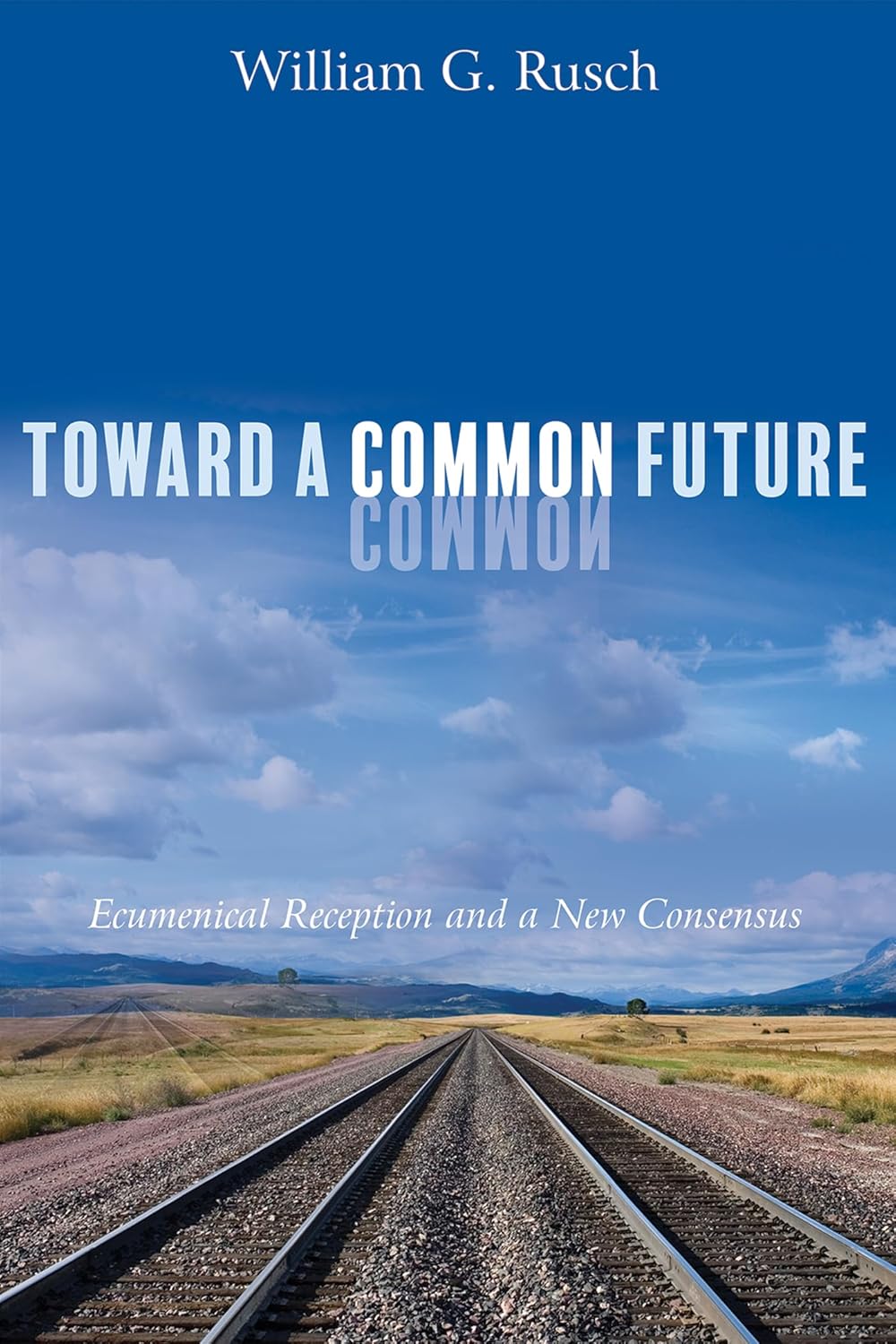
Toward a Common Future: Ecumenical Reception and a New Consensus
Toward a Common Future: Ecumenical Reception and a New Consensus
Price subject to change. Tap below for current.
Couldn't load pickup availability
In this review of Toward a Common Future: Ecumenical Reception and a New Consensus, the bottom line is simple: this book is for theologians, church leaders, and informed readers committed to practical steps toward church unity. William G. Rusch presents a focused proposal grounded in theological dialogue and historical awareness, offering a clear path for churches to regain momentum in ecumenical conversations. Readers seeking an actionable framework rather than abstract theory will find the book's argument direct and useful for moving beyond stalled discussions.
Key Features
- Practical proposal: Supplies a specific, actionable approach for churches divided by long-standing disagreements to work toward visible unity.
- Theological grounding: Builds on existing theological dialogues so the recommendations rest on shared doctrinal and historical conversations.
- Focused scope: Concentrates on reception and consensus, providing clarity rather than a broad survey of ecumenical thought.
- Momentum-oriented: Aims to re-energize a stalled ecumenical movement by identifying steps churches can take now.
- Church leadership focus: Addresses practical concerns of church leaders and those engaged in interchurch relations.
Who It's For
This book is best for clergy, denominational staff, seminary faculty, and lay leaders involved in ecumenical work who need a concrete framework to advance conversations toward unity. It will also suit graduate students and historians of church relations who want a readable proposal informed by theological dialogue.
Those looking for a broad popular history, devotional reading, or an introductory primer for newcomers to Christian theology should look elsewhere; the book assumes familiarity with ecumenical discussion and focuses on a specific proposal rather than general background.
Pros & Cons
Pros
- Offers a clear, specific proposal that moves beyond general recommendations to practical next steps.
- Connects to prior theological dialogues so the suggestions are rooted in established conversations.
- Focused treatment helps readers concentrate on reception and consensus without getting lost in extraneous material.
Cons
- The book's targeted scope may be too concentrated for readers seeking a comprehensive history or broad ecumenical overview.
Specifications
| Title | Toward a Common Future: Ecumenical Reception and a New Consensus |
| Author | William G. Rusch |
| Subject | Ecumenical reception, church unity, theological dialogue |
| Audience | Church leaders, theologians, seminary students |
| Primary focus | Proposal for regaining momentum in the ecumenical movement |
| Use case | Practical framework for interchurch relations and consensus-building |
Our Verdict
Toward a Common Future delivers a clear, practicable proposal for churches serious about moving toward unity; its value lies in turning theological dialogue into concrete steps. Recommended for church leaders and scholars who want a focused, momentum-oriented guide to ecumenical reception rather than a general history.
Frequently Asked Questions
Does this book provide practical steps for churches?
Yes. The volume centers on a specific proposal aimed at helping divided churches move toward visible unity and regain ecumenical momentum.
Who will benefit most from reading it?
Clergy, denominational leaders, seminary faculty, and students engaged in ecumenical dialogue will gain the most from its focused recommendations.
Is this a general history of ecumenism?
No. It assumes familiarity with theological dialogues and concentrates on reception and consensus rather than a broad history.
Editor's Take
Toward a Common Future offers a focused, practical proposal for churches committed to unity, translating theological dialogue into concrete steps and recommended for church leaders and scholars.

Recently viewed
Recently viewed products will appear here as customers browse the store.