

Tradition, Democracy and the Townscape of Kyoto - Ethnographic
Tradition, Democracy and the Townscape of Kyoto - Ethnographic
Price subject to change. Tap below for current.
Couldn't load pickup availability
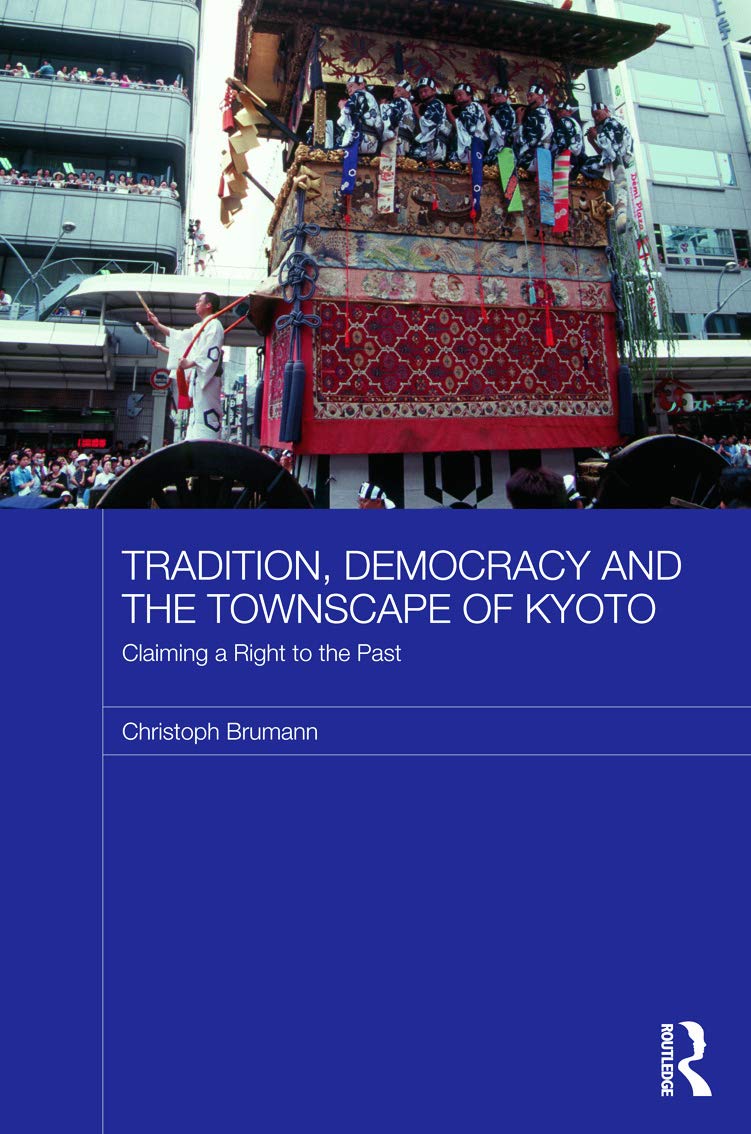
In this review of Tradition, Democracy and the Townscape of Kyoto the author offers a focused ethnographic study for readers interested in urban conservation and civic debate. The book is best for those who want a grounded, interview-based account of how Kyoto residents, planners and officials negotiate preservation and development; the single biggest reason to read it is its detailed fieldwork that brings local voices into the center of the discussion, making the abstract politics of heritage concrete and readable.
Key Features
- Ethnographic fieldwork: The book draws on extensive interviews and on-the-ground observation to show how ordinary Kyotoites and professionals shape townscape decisions.
- Focus on public debate: Detailed reporting on the sustained local discussions presents the city as a contested social arena rather than a static museum piece.
- Local perspective: Attention to the roles of citizen activists, government officials and proprietors highlights multiple stakeholders involved in urban change.
- Contextual analysis: The narrative links Kyoto's symbolic status as the historic capital with practical development pressures facing residents and planners.
- Readable scholarship: The prose balances academic rigor with accessible storytelling, useful for both students and interested general readers.
Who It's For
The book will appeal to readers of urban studies, heritage conservation, and Japanese studies who want a textured, locally grounded case study rather than a broad policy manual. Graduate students and researchers seeking ethnographic methods applied to urban preservation will find concrete examples and interview-based evidence.
Those seeking a practical how-to guide for conservation policy in other countries or a purely photographic travel book should look elsewhere; the strength here is qualitative analysis and social description, not prescriptive checklists or tourist-oriented imagery.
Pros & Cons
Pros
- Provides rich, interview-driven insight into debates around Kyoto's townscape.
- Frames preservation as a democratic, contested process involving many local actors.
- Balances scholarly analysis with accessible writing that suits non-specialist readers.
Cons
- The book is focused on qualitative description, so readers wanting quantitative planning data may find it limited.
Specifications
| Title | Tradition, Democracy and the Townscape of Kyoto |
| Series | Japan Anthropology Workshop Series |
| Author / Brand | Christoph Brumann |
| Subject | Ethnography of urban preservation in Kyoto |
| Approach | Fieldwork and interviews with local stakeholders |
| Scope | Local debates involving residents, officials, planners and developers |
Our Verdict
Tradition, Democracy and the Townscape of Kyoto is recommended for readers who want a close, qualitative examination of how a historic city negotiates past and present. Its value lies in the sustained fieldwork and the multiplicity of local voices, making it a good investment for scholars and engaged readers interested in urban heritage and democratic contestation.
Frequently Asked Questions
Does the book include interviews with ordinary residents?
Yes, the study is based on extensive fieldwork and interviews that include ordinary Kyotoites alongside officials and professionals.
Is this a practical guide for urban planners?
It offers ethnographic insights useful to planners, but it is not a step-by-step technical manual and focuses on social and political dimensions.
Will tourists find this useful?
Tourists may enjoy the contextual background, but the book is primarily aimed at readers interested in urban studies and heritage debates rather than travel guidance.
Editor's Take
This ethnographic study offers a close, interview-based examination of how Kyoto residents, officials and professionals contest preservation and development, making it valuable for scholars and readers interested in urban heritage and democratic debate.

Recently viewed
Recently viewed products will appear here as customers browse the store.