Regular price
$182.99 USD
Price subject to change. Tap below for current.
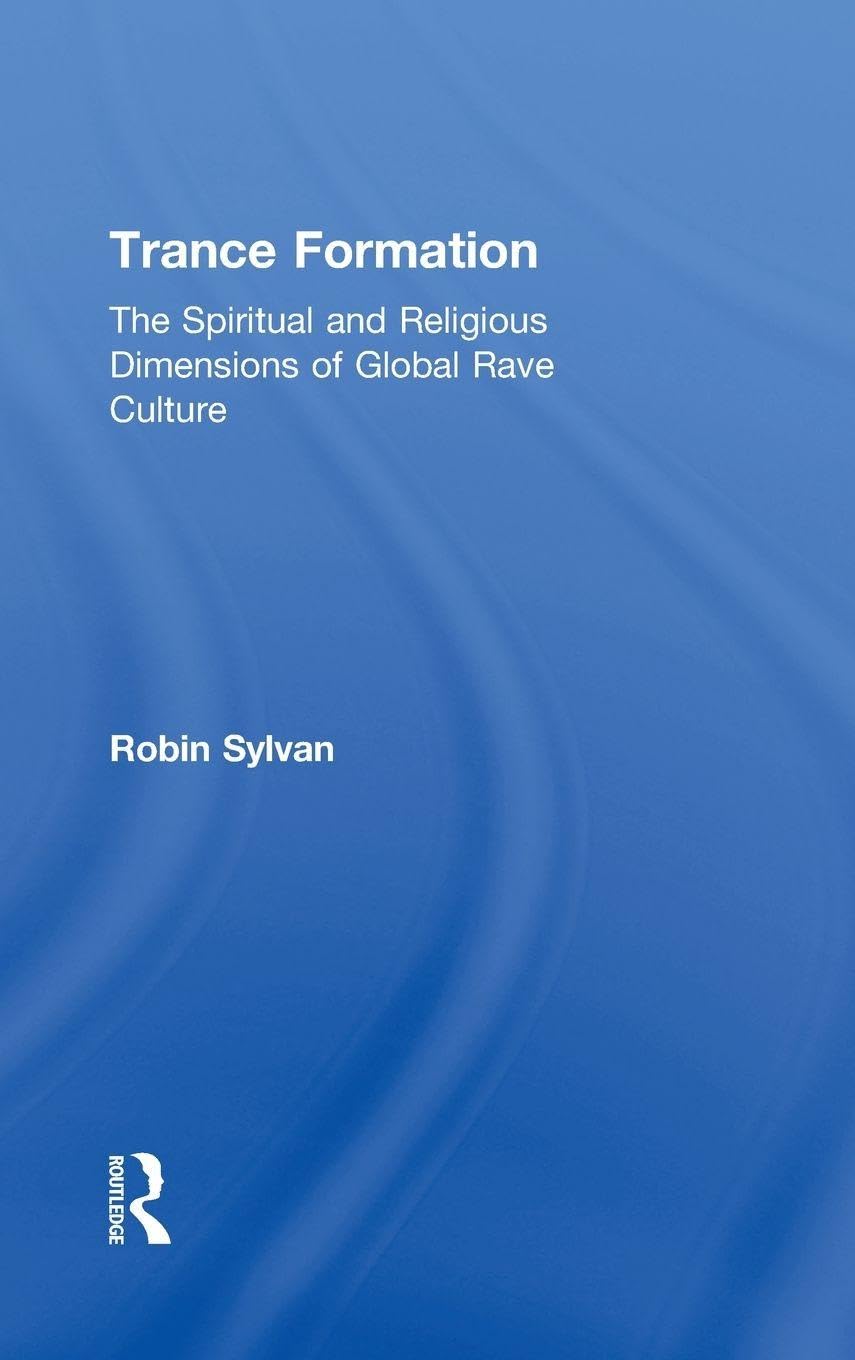
In the book Trance Formation, author Robin Sylvan delves deep into the fascinating world of global rave culture, exploring its spiritual dimensions and religious implications. This insightful work examines how raves serve as a modern spiritual practice for many, offering a unique lens through which to view contemporary spirituality.
Sylvan's analysis reveals that raves are not merely parties, but rather transformative experiences that foster a sense of community and connection among participants. The author highlights the importance of music, dance, and shared experiences in creating a collective consciousness that transcends the mundane.
One of the key themes in Trance Formation is the idea of ritual. Sylvan draws parallels between traditional religious rituals and the practices observed at raves, suggesting that these events fulfill similar psychological and spiritual needs. The book provides a compelling argument for viewing rave culture as a legitimate form of spiritual expression.
Throughout the text, readers will encounter a variety of perspectives from rave participants, offering a rich tapestry of voices that illustrate the diverse motivations behind attending these events. Sylvan's research includes interviews and firsthand accounts that shed light on the communal aspects of raving, emphasizing the importance of shared experiences in fostering a sense of belonging.
Moreover, Trance Formation addresses the intersection of rave culture with various religious traditions, exploring how elements of Eastern spirituality, Western esotericism, and indigenous practices influence the rave experience. This exploration opens up discussions about the evolving nature of spirituality in a globalized world.
The book also critiques the commercialization of rave culture, examining how the original intentions of these gatherings can be overshadowed by profit motives. Sylvan urges readers to consider the implications of this shift and to seek out authentic experiences that honor the spiritual roots of raving.
In conclusion, Trance Formation is an essential read for anyone interested in the intersections of culture, spirituality, and community. Sylvan's thoughtful analysis invites readers to reflect on their own experiences within the rave scene and to consider the broader implications of these gatherings in today's society. This book is a valuable contribution to the study of contemporary spirituality and the evolving landscape of global cultural practices.