

Transducers and Arrays for Underwater Sound - Practical Engineering
Transducers and Arrays for Underwater Sound - Practical Engineering
Price subject to change. Tap below for current.
Couldn't load pickup availability
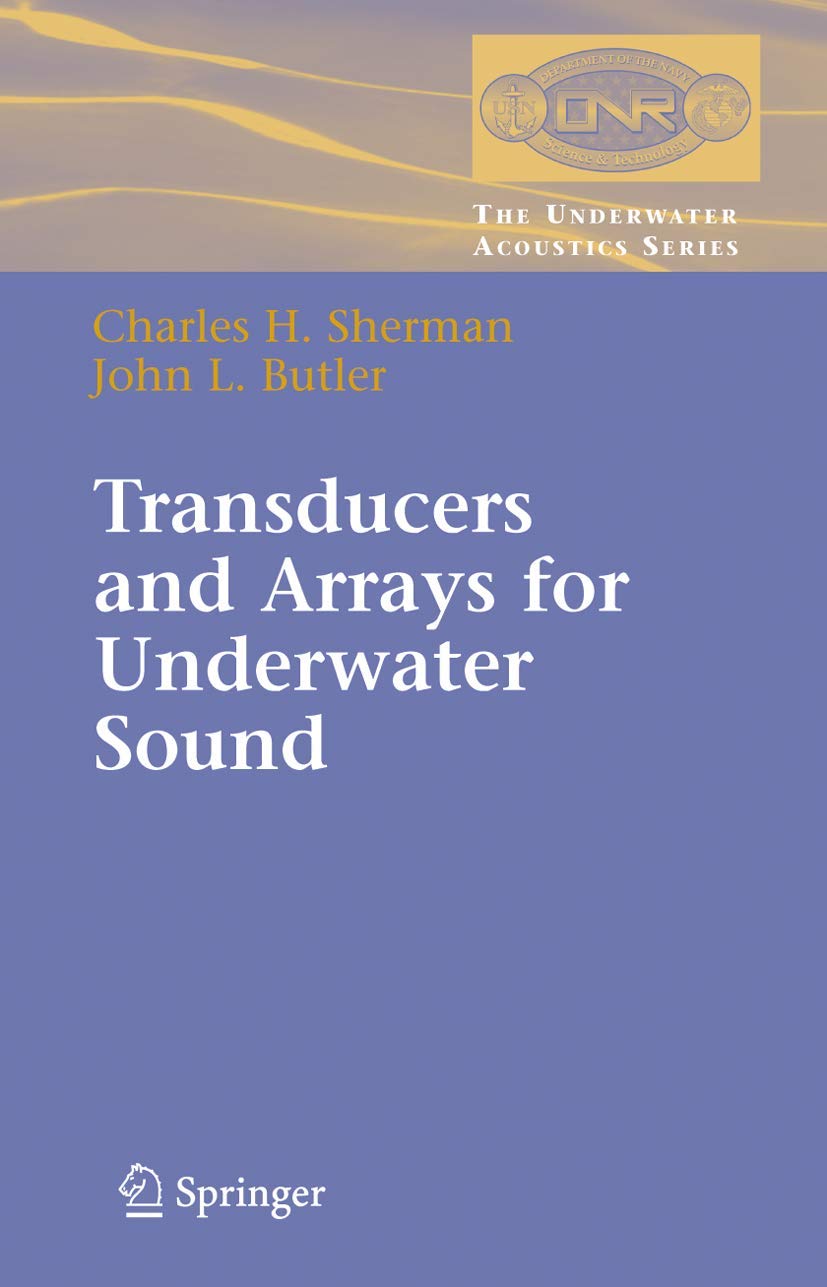
In this review of Transducers and Arrays for Underwater Sound, the authors provide a focused technical reference aimed at engineers and advanced students working with underwater electroacoustic systems. The single biggest reason to buy this book is its combination of practical design methods and current analysis techniques, which make it useful as both a workplace reference and a classroom supplement for those designing or evaluating transducers and arrays.
Key Features
- Coverage of major transducer types: The book explains the six major categories of electroacoustic transducers, helping readers identify the right approach for a given underwater application.
- Design and analysis methods: It presents modern methods for transducer analysis and design so practitioners can apply up-to-date techniques to real-world projects.
- Nonlinear effects: The text addresses nonlinear behavior in transducers, enabling engineers to anticipate and manage performance limits in high-drive or precision systems.
- Materials information: The book summarizes contemporary transducer materials, which aids material selection and trade-off decisions in new designs.
- Array interaction discussion: It examines problems that arise when many transducers operate together, including acoustic interactions in transmitting arrays and noise limitations in receiving arrays.
Who It's For
This title is best for practicing acoustic and ocean engineers, naval architects, and graduate students who need a practical reference that covers both fundamentals and contemporary engineering methods. It serves well as a desk reference for those designing or troubleshooting underwater sound systems.
It is less suitable for casual readers or those seeking a high-level survey without technical detail. Beginners with no prior exposure to electroacoustics may find some sections dense and should pair it with an introductory acoustics text.
Pros & Cons
Pros
- Comprehensive explanation of the six major electroacoustic transducer types makes equipment selection clearer.
- Practical analysis and design methods provide actionable guidance for real projects.
- Discussion of nonlinear effects and modern materials helps anticipate limits and improve durability.
Cons
- Technical depth assumes prior knowledge in acoustics and may be challenging for absolute beginners.
Specifications
| Title | Transducers and Arrays for Underwater Sound |
| Series | The Underwater Acoustics Series |
| Authors | Charles H. Sherman, John Butler |
| Focus | Electroacoustic transducers and arrays for underwater applications |
| Content highlights | Transducer types, nonlinear analysis, materials, array interactions |
| Intended audience | Practicing engineers and graduate students |
Our Verdict
For engineers who design or evaluate underwater acoustic systems, this book is a practical and current reference that balances fundamental theory with applied design methods. It delivers good value as a technical handbook for tackling transducer design challenges and array interaction issues, though newcomers should supplement it with more introductory material.
Frequently Asked Questions
Does this book cover practical design methods?
Yes, it includes current methods of transducer analysis and design suitable for practical engineering work.
Are arrays and their interactions discussed?
Yes, the book covers problems that occur when many transducers are used together, including acoustic interactions and noise issues.
Who should read this book?
Practicing underwater acoustics engineers and graduate students will get the most value; those without technical background may need an introductory text first.
Editor's Take
A practical, current reference for engineers and graduate students, this book balances fundamental theory with applied design methods for transducers and arrays, though it assumes prior acoustic knowledge.

Recently viewed
Recently viewed products will appear here as customers browse the store.