

Transformation Of Political Communication In China - Scholarly
Transformation Of Political Communication In China - Scholarly
Price subject to change. Tap below for current.
Couldn't load pickup availability
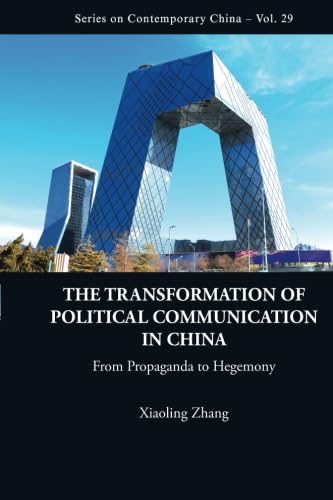
In this review of Transformation Of Political Communication In China, the reviewer finds a focused, academic analysis aimed at readers who want to understand how China's media shifted from state propaganda toward broader systems of influence. The book is best for scholars, graduate students and policy analysts because it traces marketisation, globalisation and new media technologies in a way that connects economic change to ideological control. The single biggest reason to buy is its sustained attention to the media industry as a battleground where political, social and economic struggles intersect, presented with a critical, evidence-driven perspective.
Key Features
- Industry focus: Examines the Chinese media industry as a central arena for ideological and social struggle, which helps readers see practical implications beyond theory.
- Drivers of change: Explains how marketisation and globalisation have altered media incentives and institutional behavior, clarifying why content and control diverged.
- New media analysis: Considers the role of emerging platforms and technologies in reshaping political communication, useful for understanding contemporary information flows.
- Contextual framing: Situates media transformation against tensions between economic growth and political control, making the book relevant for policy discussions.
- Interdisciplinary reach: Bridges political communication, sociology and media studies so readers from several fields can apply its insights.
Who It's For
The book is primarily for academics, graduate students, journalists and policy researchers who need a rigorous account of how market forces and technology changed China's media landscape. Those studying comparative politics or media regulation will find its arguments and evidence directly applicable to research and classroom discussions.
Readers looking for a light popular history or an anecdotal narrative should look elsewhere, as the text maintains an analytical, scholarly tone and assumes some familiarity with political communication concepts rather than providing a general-audience introduction.
Pros & Cons
Pros
- Clear linkage of economic reforms to changes in media institutions and content.
- Thoughtful examination of new media technologies and their political implications.
- Useful for interdisciplinary research connecting politics, media and globalization.
Cons
- The scholarly approach and density of analysis may be heavy for casual readers or those seeking narrative-driven accounts.
Specifications
| Title | Transformation Of Political Communication In China |
| Author | Xiaoling Zhang |
| Subject | Political communication and media transformation in China |
| Focus areas | Marketisation, globalisation, new media technologies |
| Perspective | Scholarly analysis of ideological, social and economic struggles |
| Intended audience | Academics, policy researchers, graduate students |
Our Verdict
This book is a strong, evidence-based resource for anyone studying how China's media industry evolved amid economic liberalization and technological change. It delivers good value for researchers and advanced students who need a clear framework linking market forces to political communication and will reward readers seeking a disciplined, analytical treatment of media and hegemony.
Frequently Asked Questions
Does the book cover digital platforms?
Yes, it specifically discusses new media technologies and their role in reshaping political communication.
Is this suitable for undergraduate readers?
Undergraduates with an interest in political communication may benefit, but the tone is scholarly and better suited to graduate-level study.
Does it address globalization?
Yes, globalization is a central driver examined alongside marketisation and technology.
Editor's Take
A rigorous, evidence-driven study ideal for researchers and graduate students; it clearly links marketisation, globalisation and new media to shifts in China's media and political communication.

Recently viewed
Recently viewed products will appear here as customers browse the store.