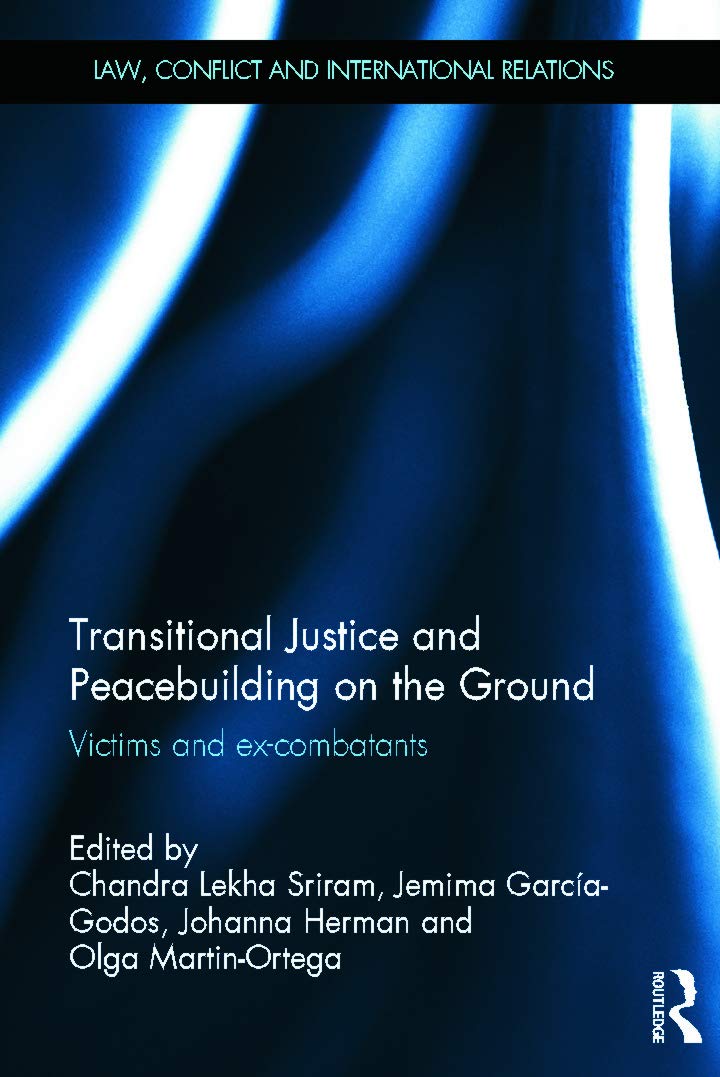
Transitional Justice and Peacebuilding: A Comprehensive Guide
Transitional Justice and Peacebuilding: A Comprehensive Guide
Price subject to change. Tap below for current.
Couldn't load pickup availability
The book Transitional Justice and Peacebuilding offers a profound exploration into the complex relationship between victims and ex-combatants in post-conflict societies. This insightful work delves into the mechanisms of justice and reconciliation that are essential for rebuilding communities torn apart by violence.
Written by experts in the field, this volume addresses the critical role of victims' rights in the peacebuilding process. It emphasizes that acknowledging the suffering of victims is not just a moral obligation but a necessary step towards sustainable peace. The authors provide a thorough analysis of various case studies, illustrating how different societies have approached the challenges of justice.
One of the key themes in this book is the importance of inclusive dialogue between all stakeholders, including victims, ex-combatants, and government officials. The authors argue that without such dialogue, any peacebuilding effort is likely to falter. They highlight successful examples where inclusive processes have led to more durable peace agreements.
The book also examines the psychological aspects of transitional justice, shedding light on how trauma affects both victims and perpetrators. By understanding these dynamics, policymakers can better design interventions that promote healing and reconciliation. The authors advocate for a holistic approach that integrates psychological support into justice mechanisms.
Furthermore, the text discusses the role of international law in shaping transitional justice frameworks. It critiques existing legal instruments and suggests reforms that could enhance their effectiveness in addressing the needs of victims and ensuring accountability for ex-combatants. The authors call for a more nuanced understanding of justice that goes beyond mere punishment.
In addition to theoretical insights, the book provides practical recommendations for practitioners involved in peacebuilding efforts. It emphasizes the need for context-specific strategies that take into account the unique historical and cultural factors of each society. This tailored approach is crucial for fostering trust and cooperation among conflicting parties.
Overall, Transitional Justice and Peacebuilding is an essential read for scholars, practitioners, and policymakers interested in understanding the intricate dynamics of post-conflict societies. Its comprehensive analysis and practical insights make it a valuable resource for anyone engaged in the fields of law, conflict resolution, and international relations.
Share